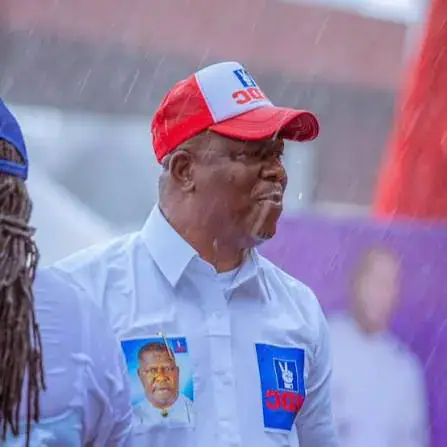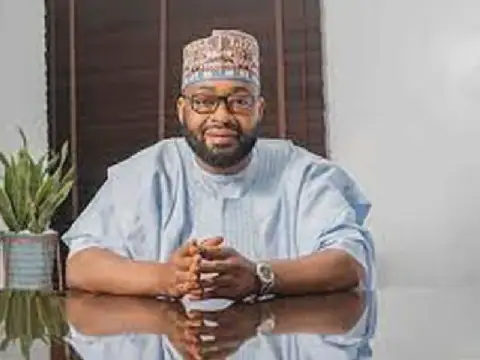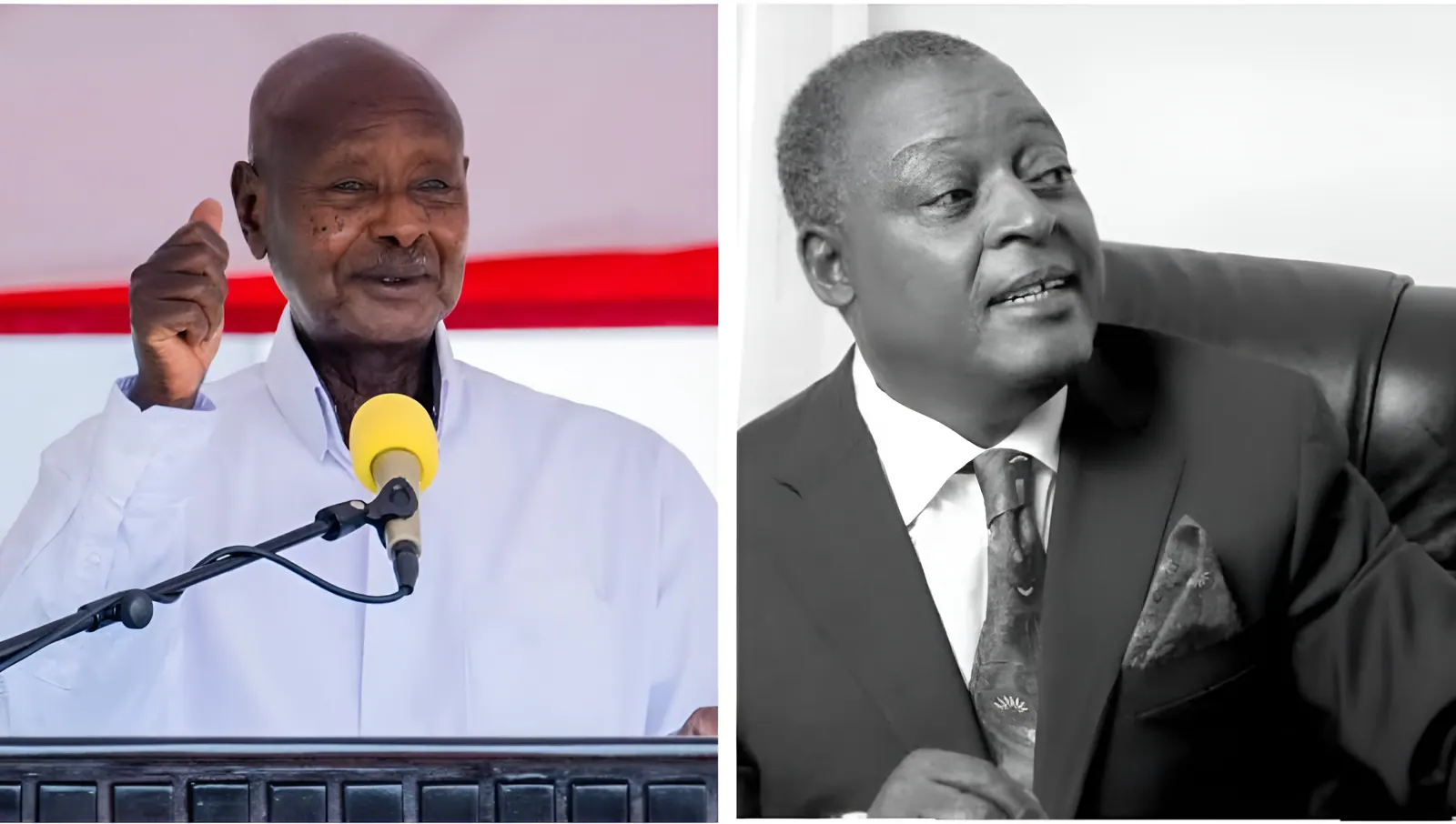
Ugandan President Yoweri Museveni has credited the late Kenyan politician Cyrus Jirongo with exposing the use of Kenyan middlemen in Uganda's petroleum purchases. According to Museveni, Jirongo raised the issue with him in 2019, prompting the president to instruct then-energy minister Irene Muloni to address the matter. This revelation comes as Uganda has shifted its fuel procurement to direct deals with global energy trader Vitol, reducing premiums on diesel, petrol, and aviation fuel.
Cyrus Jirongo, a former Lugari lawmaker and cabinet minister under former Kenyan President Daniel arap Moi, passed away in a road accident in December 2025. Museveni made the statement on his 82nd birthday, noting that Jirongo's alert came well before William Ruto became Kenya's president and before Kenya's 2023 government-to-government fuel import arrangement. The president emphasized that Jirongo's warning led to a significant change in Uganda's fuel procurement strategy.
In August 2023, Uganda signed an agreement with Vitol, shifting its procurement away from middlemen and reducing premiums on fuel imports. According to Museveni, diesel premiums fell from roughly Ksh 15,252 to Ksh 10,726 per metric tonne, petrol from Ksh 12,593 to Ksh 7,943, and aviation fuel from Ksh 14,752 to Ksh 10,232. These figures refer to procurement premiums, not retail fuel prices.
The shift in Uganda's fuel procurement strategy has also seen the Uganda National Oil Company become the main buyer, with Vitol as a key supplier. Despite the new procurement model, Kenya continues to serve as a physical conduit for Ugandan fuel, with imports arriving via the Port of Mombasa and transiting the Kenya-Uganda oil pipeline. This arrangement has enabled Uganda to maintain its reliance on Kenya's infrastructure for fuel imports.
Museveni also expressed gratitude to President William Ruto for overcoming resistance in Kenya, enabling Uganda to pump petroleum through the pipeline and acquire a 20.15 percent stake in the pipeline company. This development highlights the strong regional energy ties between Kenya and Uganda, with both countries benefiting from their cooperation in the energy sector.
The agreement with Vitol has had a significant impact on Uganda's fuel imports, with the country now able to purchase fuel at reduced premiums. The change has also brought Uganda's fuel procurement in line with international best practices, reducing the country's reliance on middlemen and increasing transparency in the energy sector.
The late Cyrus Jirongo's contribution to Uganda's fuel procurement reform has been acknowledged by Museveni, who recognized the senator's role in bringing the issue to his attention. Jirongo's legacy continues to have an impact on regional energy cooperation, with his alert leading to significant reforms in Uganda's fuel procurement strategy.
Key points
- Museveni credits Cyrus Jirongo for exposing Uganda's oil middlemen scheme, leading to a shift to direct deals with Vitol.
- Uganda's fuel procurement premiums have decreased significantly since the agreement with Vitol, with diesel premiums falling from Ksh 15,252 to Ksh 10,726 per metric tonne.
- Kenya continues to serve as a physical conduit for Ugandan fuel, with imports arriving via the Port of Mombasa and transiting the Kenya-Uganda oil pipeline.