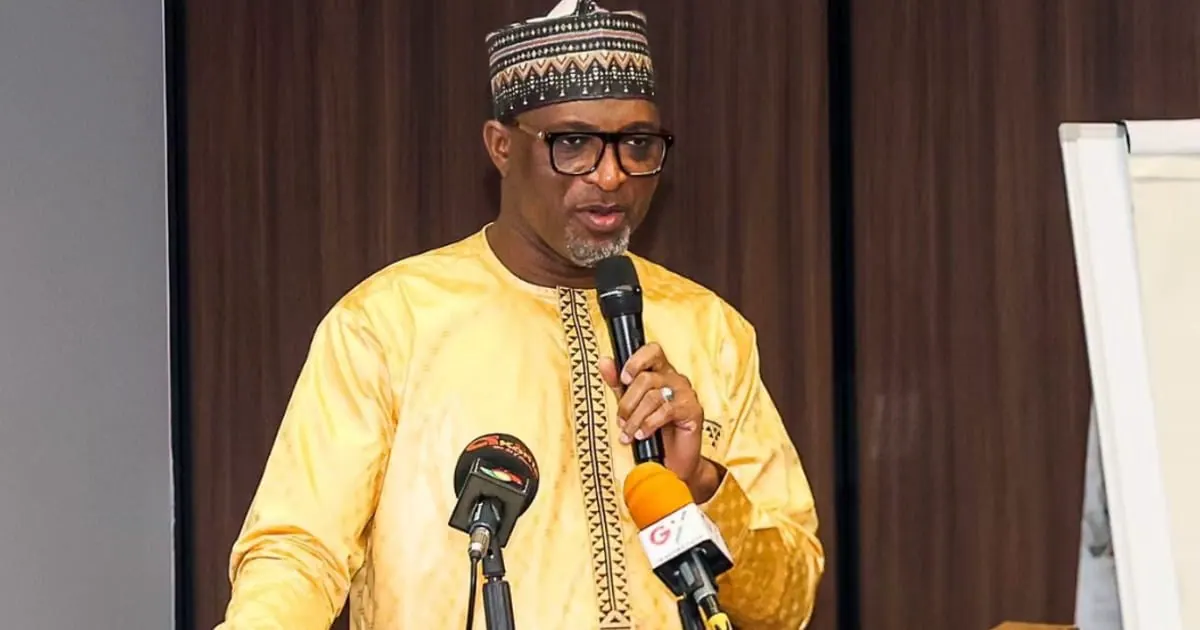
Ghana's Interior Minister, Muntaka Mohammed-Mubarak, has called for a shift in the country's approach to national security, emphasizing the importance of building security from the grassroots level. Speaking at a workshop in Kumasi for the Ashanti Regional Security Council and Metropolitan, Municipal and District Chief Executives, Muntaka highlighted the need for a more decentralized approach. He stressed that national security cannot be secured solely from Accra, but must be built in regions, districts, and communities.
Muntaka urged the attendees to move away from reactive security management and towards intelligence-led prevention. He emphasized the importance of coordinated action and intelligence sharing among security agencies, local assemblies, and community leaders. According to Muntaka, no single institution has all the information required to effectively manage today's security environment. He encouraged the Metropolitan, Municipal and District Chief Executives to leverage their positions to detect emerging tensions through regular interactions with local stakeholders.
The Minister's call for a decentralized approach comes as Ghana begins implementing the Security and Intelligence Agencies Act, 2026 (Act 1168). Muntaka emphasized that the success of the new law will depend on its effective implementation at the regional and local levels. He commended the Ashanti Regional Minister and the Regional Security Council for their commitment to maintaining peace in the region.
Muntaka also stressed the need for stronger information and intelligence sharing among security agencies, local assemblies, and community leaders. He urged the Regional Security Council to provide strong leadership in identifying patterns and trends, rather than treating incidents in isolation. This, he believes, will enable early detection and response to potential security threats.
The Minister warned that modern security threats require a proactive and coordinated approach. He noted that where criminal activity spreads from one municipality to another, or a local dispute threatens neighboring districts, the trend must be identified early and escalated promptly. Muntaka's comments highlight the need for a more nuanced and multi-faceted approach to national security.
The workshop, which was attended by members of the Ashanti Regional Security Council and Metropolitan, Municipal and District Chief Executives, aimed to sensitize participants on the implementation of Act 1168. The Minister's address emphasized the critical role that regional and local authorities must play in ensuring the success of the new law.
Muntaka's advocacy for a decentralized approach to national security underscores the government's commitment to ensuring the safety and security of Ghanaian citizens. By empowering regional and local authorities to take a more active role in security management, the government aims to build a more robust and effective national security framework.
Key points
- Muntaka Mohammed-Mubarak emphasizes the need for a decentralized approach to national security.
- The Interior Minister urges a shift from reactive security management to intelligence-led prevention.
- The implementation of the Security and Intelligence Agencies Act, 2026 (Act 1168) depends on effective execution at the regional and local levels.