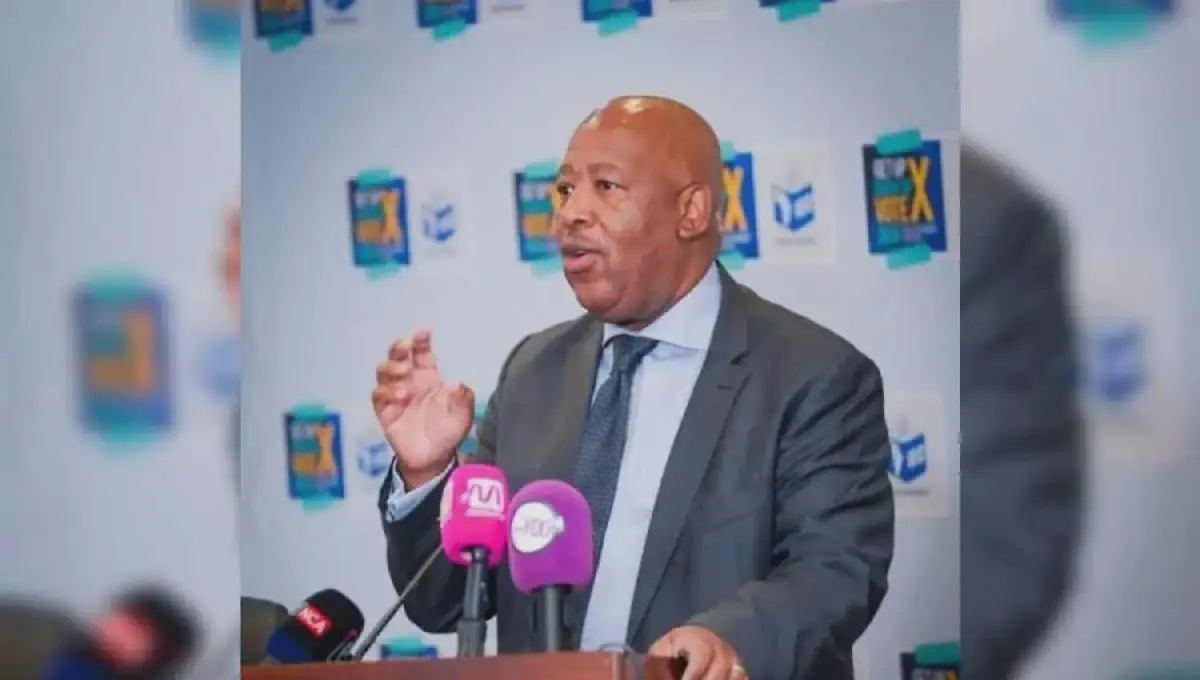
Municipalities in KwaZulu-Natal can now prepare for their first council sittings after the Electoral Commission of South Africa (IEC) gazetted the names of councillors elected in the 2026 Local Government Elections. The publication, announced by IEC chairperson Mosotho Moepya, clears an important administrative hurdle towards establishing the new municipal councils. Moepya said municipal managers must convene the first meetings of their respective councils within 14 days after councillors had been declared elected.
The gazetting follows the announcement of the election results on November 8 and the completion of processes involving political parties that had won more proportional representation seats than they had nominated candidates for, as well as candidates allocated multiple seats. Councillors were deemed to have been elected with effect from November 8, the date the results were announced. However, the conclusion of the gazetting process does not mean all electoral matters have been resolved, Moepya said.
The IEC confirmed that five ward by-elections would be required nationally, with two affecting KwaZulu-Natal. Ward 12 in the Johannes Phumani Pungula Municipality will go to a by-election after a candidate who secured more than one ward seat had to choose which seat to accept. A further by-election will take place in Ward 17 of uMlalazi Municipality following the death of a ward councillor.
The remaining three by-elections will be held in the Eastern Cape and Gauteng. The commission also provided an update on objections received following the elections. By noon on Friday, the commission said it had received 1 708 submissions, of which 433 qualified as objections under section 65 of the Municipal Structures Act.
Of the 433 objections, 252 had been finalised, with three upheld and 249 rejected. Moepya said the commission had not been able to finalise all applications because of the unprecedented number of submissions and the careful approach adopted in considering them. The commission is working to resolve the remaining objections.
The 2026 elections produced 10 526 council seats nationally, comprising 8 825 local council seats and 1 701 district council seats. The next stage will see newly elected councillors take up their positions and begin the work of constituting municipal leadership and determining the political arrangements that will guide local government for the next five years.
The IEC's announcement brings an end to a lengthy process and allows municipalities to move forward with establishing new councils. The inaugural council sittings will mark an important milestone in the formation of new municipal leadership and the implementation of local government plans.
Key points
- Five ward by-elections are required nationally, with two in KwaZulu-Natal.
- The IEC received 1 708 submissions, with 433 qualifying as objections.
- The 2026 elections produced 10 526 council seats nationally.