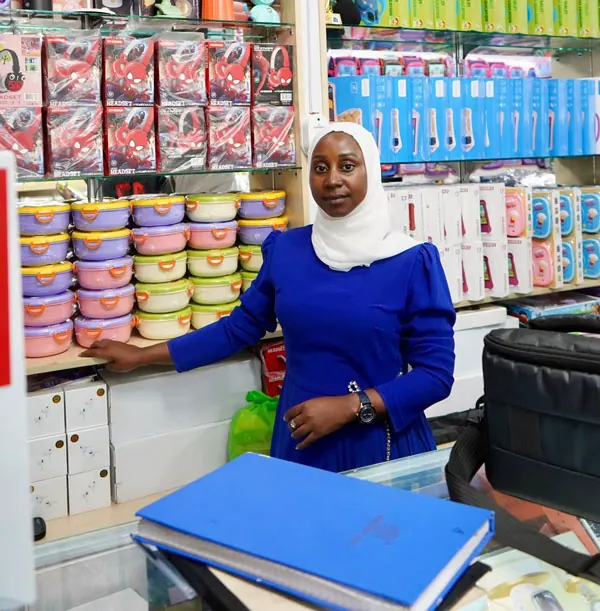
Alma Daizy Namunswa, known online as Mummy Gadgets, has transformed her pandemic car-boot hustle into a thriving retail brand in Kampala. Her journey began during Uganda's COVID-19 lockdown, which disrupted livelihoods and accelerated the country's shift towards digital commerce. The pandemic created an opportunity for Namunswa to identify a gap in the market for children's educational technology. With schools closed and learning shifting online, parents sought practical tools to keep their children engaged academically.
Namunswa's enterprise started modestly, operating from the boot of her car and relying on digital communication platforms like WhatsApp and Facebook. She personally delivered products to customers across Kampala, building her business through personal interaction rather than conventional advertising. Her approach focused on trust, a crucial aspect in Uganda's electronics market, which has faced concerns about counterfeit products and limited after-sales support. By emphasizing reliability and affordability, Namunswa established a loyal customer base.
The closure of schools highlighted a growing demand for educational technology, particularly among parents searching for practical learning tools. Namunswa observed this trend and decided to supply educational gadgets targeted at children. She identified a niche where demand was growing but specialized retailers remained relatively few. Starting the business required careful financial decisions, with a model that prioritized flexibility and low operating costs. Products were marketed primarily through WhatsApp and Facebook, while deliveries were made personally to customers.
Before becoming Mummy Gadgets, Namunswa pursued a Bachelor's degree in Ethics and Human Rights at Makerere University. Her studies centered on governance, justice, accountability, and the protection of human dignity. These principles later influenced her approach to entrepreneurship, emphasizing customer trust, responsibility, and long-term relationships. During her university years, she participated in community activities and charity initiatives, exposing her to the everyday challenges faced by many Ugandan families.
The pandemic exposed new gaps in the market, and Namunswa's business evolved to meet these needs. With schools closed for extended periods, learning shifted into homes, and parents sought practical ways to keep children engaged academically. Tablets, educational gadgets, and digital learning tools became increasingly important for many families. Namunswa's business grew, and what started as a mobile retail operation evolved into a permanent outlet at Pioneer Mall in Kampala.
Mummy Gadgets has become a widely recognized brand in Kampala, with a reputation built on trust and customer experience. Early customers shared their experiences through social media, and recommendations spread among parents and teachers. The business slowly expanded, with Namunswa's emphasis on reliability and affordability resonating with customers. Industry observers note that trust has become one of the defining currencies of digital commerce.
Today, Mummy Gadgets is a leading retailer of educational technology in Kampala, offering a range of products that cater to the needs of children. Namunswa's journey serves as an inspiration to entrepreneurs, particularly women, who are driving change in Uganda's retail economy. Her story highlights the importance of adaptability, trust, and customer-centricity in building a successful business.
Key points
- Mummy Gadgets started as a car-boot hustle during the COVID-19 pandemic and has grown into a Kampala-based retail brand.
- The business focuses on providing educational technology to children, filling a gap in the market that emerged during the pandemic.
- Mummy Gadgets' success is attributed to its emphasis on trust, reliability, and affordability, which has earned the brand a loyal customer base.