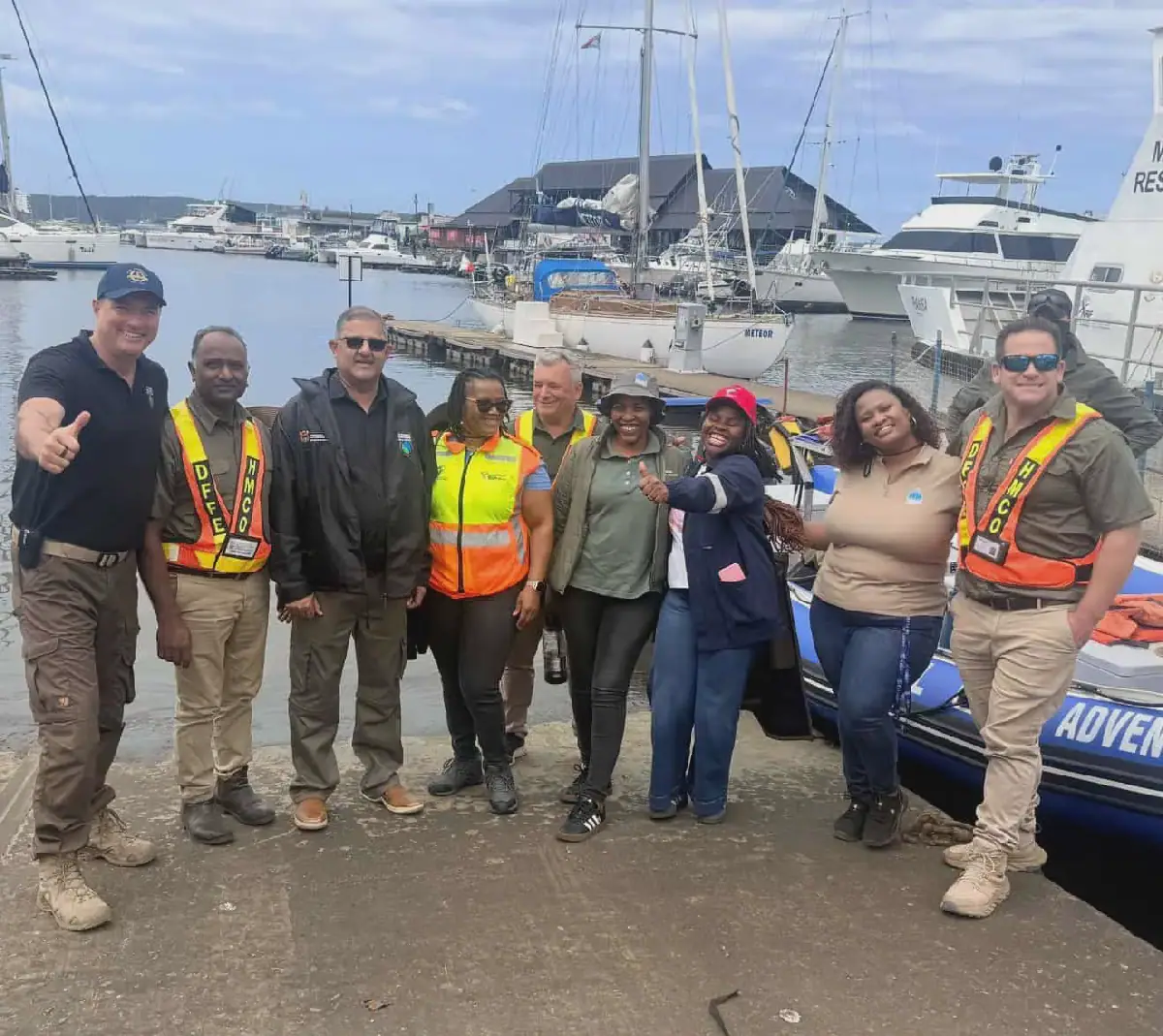
A multi-agency team, led by Deputy Minister of Forestry, Fisheries and the Environment Narend Singh, recently conducted a site assessment at the Bayhead Mangrove Heritage Site in Durban's Port. The visit aimed to evaluate the effectiveness of enforcement operations targeting illegal gill-netting and poaching, which threaten fish stocks, estuarine ecosystems, and protected mangrove habitats. The assessment also focused on collaborative efforts to restore and protect the site.
The Bayhead Natural Heritage Site, a remnant of Durban Bay's extensive mangrove system, supports significant biodiversity, including aquatic birds, crabs, and mudskippers, within an industrial harbour setting. The site faces numerous threats, including pollution and illegal harvesting. To address these challenges, the Department of Forestry, Fisheries and the Environment (DFFE) Enforcement, the South African Police Service (SAPS), and other agencies have joined forces to protect the mangroves.
The multi-agency team assessed the deployment of Expanded Public Works Programme (EPWP) teams, in partnership with Transnet, to clean up plastics and other pollution accumulating in the mangrove forest and surrounding areas. This initiative is part of broader efforts to combat marine pollution, strengthen compliance under the Marine Living Resources Act, and support job-creating environmental programmes in coastal communities.
Deputy Minister Singh emphasized the need for a dual approach, combining firm enforcement against illegal harvesting with practical restoration and pollution-control measures. He highlighted the importance of collaboration between national enforcement agencies, local government, Transnet, and EPWP teams in moving from operations to tangible environmental recovery.
The site assessment follows enforcement operations undertaken the previous weekend, targeting illegal gill-netting and associated poaching activities. These operations aim to mitigate the impact of these activities on fish stocks, estuarine ecosystems, and protected mangrove habitats. The collaboration between agencies demonstrates a commitment to protecting South Africa's marine and coastal resources.
The initiative to protect the Bayhead mangroves is part of a larger effort to promote environmental recovery and sustainable livelihoods. By working together, the agencies involved aim to restore the health and biodiversity of the mangrove ecosystem, while also supporting local communities through job-creating environmental programmes.
Further details on the cleanup outcomes and ongoing monitoring will be communicated as the work progresses. The multi-agency team's efforts to protect the Bayhead mangroves serve as a model for collaborative environmental conservation in South Africa, demonstrating the potential for effective partnerships between government agencies, local authorities, and other stakeholders.
Key points
- Deputy Minister Narend Singh emphasizes the need for a dual approach to protect the mangroves, combining enforcement with restoration and pollution-control measures.