Médecins Sans Frontières (MSF) has expanded its intervention in Macina, Mali, to address the growing needs of displaced families. After initially focusing on medical care, the organization is now providing non-food items to hundreds of households. The distribution of kits, which include mats, mosquito nets, hygiene articles, and utensils, aims to complement the medical assistance already provided. MSF's response is in line with the evolving needs of the displaced populations, who have been facing significant challenges since their arrival in September.
The presence of MSF in Macina is a result of local demand, with the prefect of the cercle, Albaraka Ag Amarizag, personally requesting the organization's intervention. Having seen MSF's work in other regions of Mali, the prefect appreciated their ability to operate in difficult environments. With the arrival of new displaced populations and limited local capacities, the prefect advocated for MSF's intervention in Macina. The organization's support is crucial in an area where insecurity affects both the population and the functioning of services.
MSF's medical response has been rapid, with over 2,000 people treated between September 23 and early October. By November 13, the organization had provided care to 5,281 people, including displaced individuals and members of the host community. Patients are not only treated on-site but also referred to the Macina Health Center or Segou when necessary. The most common pathologies include malaria, acute respiratory infections, and diarrhea, with women and children under five being disproportionately affected.
The health needs are compounded by the existing challenges faced by local health structures, including shortages of medical supplies and difficulties in tracking certain diseases. MSF's support helps alleviate some of this burden, but needs remain significant. The organization's intervention is critical in addressing the health concerns of the displaced populations and the host community.
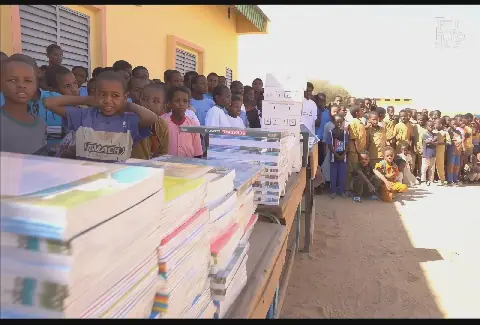
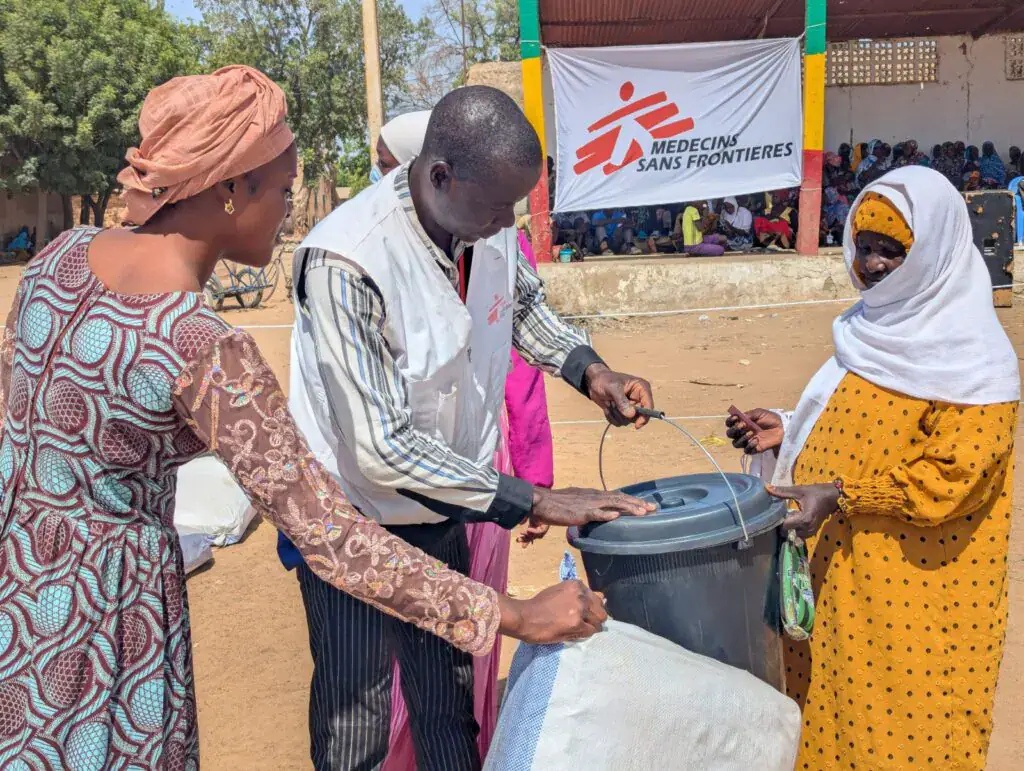
Beyond medical care, MSF is also addressing the non-food needs of displaced households. The organization distributed kits to hundreds of families, which include essential items such as mats, mosquito nets, and hygiene articles. These kits aim to support families who have had to restart their lives with limited possessions. For Moussa Kiré, representative of the local social and solidarity economy department, the majority of newly arrived households are still being hosted by local families.
The intervention by MSF is taking on a different dimension, as it is no longer just about responding to immediate medical needs but also about mitigating the health consequences of poor living conditions, lack of hygiene, and prolonged displacement. However, the question of duration remains, with two sites identified for displaced individuals but still in need of development. Most families continue to rely on relatives for shelter, and some food support is only programmed for a few months.
According to Albaraka Ag Amarizag, an immediate return to certain localities is not yet feasible due to security concerns. The prefect emphasizes the need to prepare a dignified and secure return while continuing to support those who remain in Macina. MSF's intervention is crucial in this context, as it adapts to the evolving needs of displaced families. The organization is addressing both immediate and longer-term needs, but challenges persist, particularly in terms of shelter, hygiene, and essential equipment.
Key points
- MSF provides medical care and non-food items to displaced households in Macina, Mali.
- The organization's intervention aims to address the growing needs of displaced populations, who have been facing significant challenges since their arrival in September.
- MSF's support is crucial in an area where insecurity affects both the population and the functioning of services.
Reporting sources
- Macina : des soins aux besoins quotidiens · Le Journal du Mali