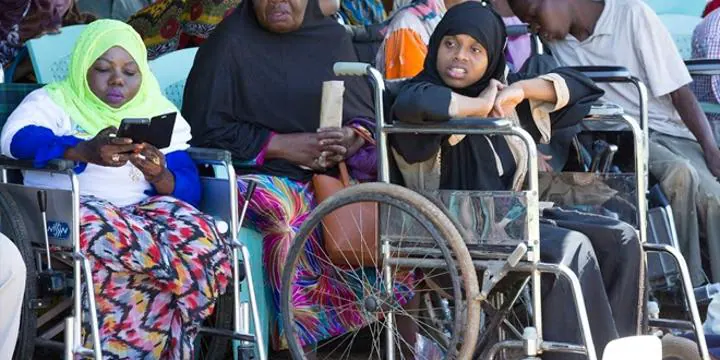
A South African parliamentary delegation has urged fellow parliamentarians to address barriers limiting women and girls' ability to make decisions about their health and lives. The call was made during the Forum of Women Parliamentarians at the 153rd Inter-Parliamentary Union (IPU) Assembly in Arusha, Tanzania. The delegation emphasized the need for stronger provisions to protect the health rights, autonomy, and dignity of women and girls with disabilities. This appeal aims to ensure that women and girls with disabilities can make informed decisions about their own health.
The South African delegation, led by Permanent Delegate to the National Council of Provinces, Ms Jane Mananiso, called for stronger provisions in the draft resolution on inclusive social development. The draft resolution, titled "Inclusive social development for all: Parliamentary strategies to promote the rights and empowerment of persons living with disabilities," is a key issue being considered at the Assembly. Mananiso urged parliamentarians to strengthen the resolution in line with the United Nations Convention on the Rights of Persons with Disabilities (UNCRPD). This would help address barriers affecting women and girls with disabilities in making decisions about their health.
The discussion highlighted the scale of disability globally, with approximately 1.3 billion people, or 16 percent of the world's population, living with disabilities. The Forum of Women Parliamentarians noted that disability inclusion is crucial for women's participation in leadership and peacebuilding. The delegation emphasized that increasing women's representation in leadership should be accompanied by conditions that enable women to exercise leadership sustainably and meaningfully.
Ms Doris Mpapane, a Member of the National Assembly and part of the South African delegation, pointed out that many women serving in demanding public roles carry disproportionate care responsibilities. She called for institutional measures to enable women to participate in public life while safeguarding their wellbeing. Mpapane also emphasized that parliamentarians should examine whether laws and policies produce meaningful changes in the lives of women, rather than focusing solely on representation.
The delegation also called for explicit recognition of the rights of parents with disabilities, including access to appropriate and non-discriminatory family support services where required. Ms Mananiso stated that disability alone should not be used as a basis for restricting the parental rights of persons with disabilities. This appeal aims to ensure that parents with disabilities receive the support they need to care for their families.
On peacebuilding, Ms Mpapane called for stronger parliamentary oversight to promote women's participation and leadership in peace processes at both domestic and international levels. She emphasized that women's representation should contribute to inclusive peace processes and translate into concrete measures to protect women and girls from violence. This would help ensure that women's voices are heard in peacebuilding efforts.
The Forum of Women Parliamentarians is one of the bodies meeting during the 153rd IPU Assembly, being held in Arusha from October 5 to 9. The Assembly's theme is "Enhancing good governance and empowering communities through inclusivity, trust, and opportunities for all." The discussions aim to promote inclusivity, trust, and opportunities for all, with a focus on empowering women and girls with disabilities.
Key points
- The South African parliamentary delegation called for stronger protection of the health rights, autonomy, and dignity of women and girls with disabilities.
- The delegation emphasized the need for stronger provisions in the draft resolution on inclusive social development to address barriers affecting women and girls with disabilities.
- The discussions highlighted the importance of disability inclusion for women's participation in leadership and peacebuilding.