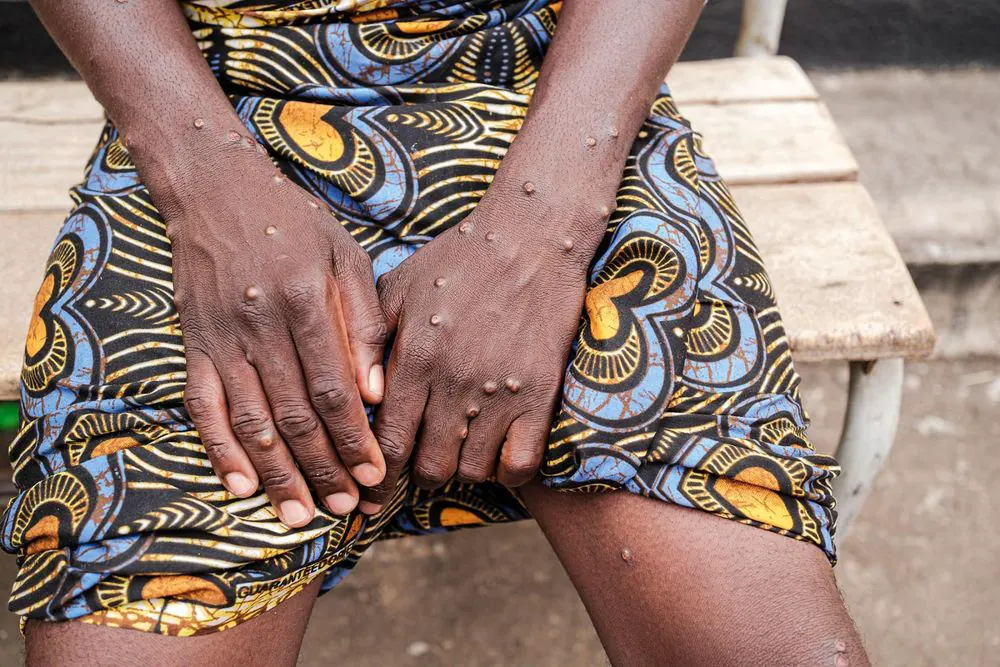
Mpox, previously known as monkeypox, is a viral disease caused by the monkeypox virus, which belongs to the Orthopoxvirus family. The infection commonly causes a rash or skin lesions, along with symptoms such as fever, headache, muscle aches, back pain, tiredness, and swollen lymph nodes. Mpox can occur in people of any age or background. There are different groups, or clades, of the virus, with Clade I and Clade II having different patterns of circulation.
Mpox is mainly spread through close physical contact with an infected person, including skin-to-skin contact with mpox lesions, kissing and other close face-to-face contact, sexual contact, contact with bodily fluids or lesions, and contact with contaminated clothing, bedding, towels, or other objects. The virus can also spread from infected animals to people in areas where animal-to-human transmission occurs. Mpox is not generally spread as easily as common respiratory infections such as colds and flu.
Symptoms of mpox can take time to appear after exposure, developing anywhere from one to 21 days after infection. Common symptoms include fever, headache, muscle aches, back pain, sore throat, tiredness, and swollen lymph nodes, as well as a rash or skin lesions. For some people, the rash is the first noticeable symptom, while the illness often begins with general symptoms before the rash appears.
The rash caused by mpox can appear on different parts of the body, including the face, hands, feet, mouth, groin, and genital area. The lesions can change as the infection progresses, developing from flat spots into raised lesions, blisters, and pus-filled lesions before crusting over and healing. They can be painful or itchy, and some people develop only a few lesions while others develop many.
Most people recover from mpox, but some groups have a higher risk of complications or severe illness, including young children, particularly infants, pregnant people, people with weakened immune systems, people living with poorly controlled HIV, and people with certain other conditions that affect the immune system. Anyone who is concerned about their symptoms or has been exposed to someone with mpox should seek medical advice.
Mpox can be diagnosed through laboratory confirmation, generally done by testing material from a skin lesion using a PCR test. Treatment generally focuses on managing symptoms, looking after the skin, controlling pain, and preventing complications or secondary infections. Most people recover without specific treatment within a few weeks, although specific antiviral medicines may be used in certain circumstances.
If you develop an unexplained rash, fever, or other symptoms associated with mpox, particularly after close contact with someone who has the infection, contact a healthcare professional. To reduce the risk of passing the virus to other people, avoid close physical contact, sharing personal items, and touching or scratching lesions, and follow medical advice about staying away from other people while you are infectious.
Key points
- Mpox is a viral infection that can affect anyone, causing a rash or skin lesions, fever, headache, muscle aches, and swollen lymph nodes.
- The infection is mainly spread through close physical contact with an infected person.
- Most people recover from mpox within a few weeks, but the infection can cause more serious illness in some people.