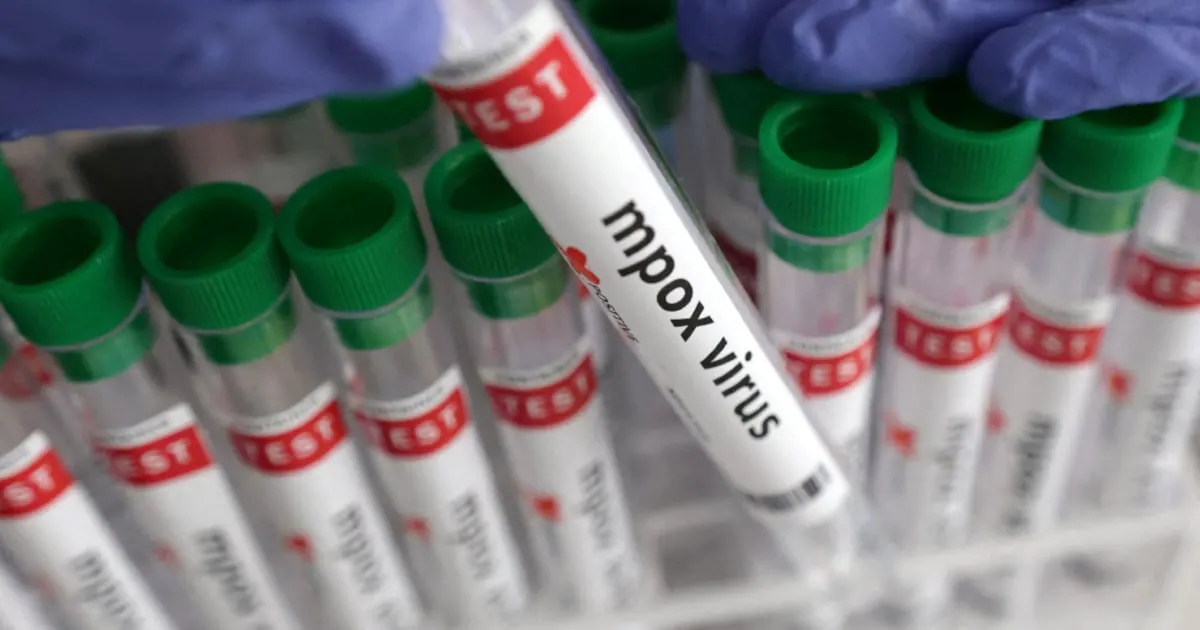
Health authorities in South Africa are urging increased public vigilance amid a rise in mpox cases. By September 17, the country had recorded 18 confirmed and one probable case, with 13 reported between August 13 and September 17. The Western Cape accounts for most cases, with 15 reported, particularly in the City of Cape Town. Gauteng has recorded three cases and KwaZulu-Natal one.
The affected individuals are aged between 23 and 50 years, with a median age of 36.5 years. Eighteen are men and one is a woman. Mpox is a viral infectious disease caused by the monkeypox virus and can spread through close physical contact with an infected person. Dr. Saadiq Kariem, chief of operations at the Western Cape department of health, emphasized that anyone can get mpox and that knowing the signs, understanding how it spreads, and taking steps to protect oneself and others is crucial.
Kariem warned that if symptoms develop, particularly a new or unexplained rash, sores or lesions, individuals should avoid close contact and seek healthcare advice as soon as possible. While anyone can contract mpox, current cases have predominantly been identified among men, including men who have sex with men. However, this does not mean the disease is limited to a particular group or community. Risk is linked to close physical contact with someone who has mpox, including during sexual contact.
People who have new or multiple sexual partners are encouraged to check themselves regularly for an unexplained rash, sores or lesions and to talk openly with partners about symptoms. If a person or partner develops symptoms, they should avoid sex and other close skin-to-skin contact and seek healthcare advice. Temporarily reducing the number of new or multiple sexual partners can also reduce opportunities for transmission. Kariem noted that condoms remain important for preventing HIV and other sexually transmitted infections and can reduce some exposure to mpox.
However, condoms do not provide complete protection because the virus can spread through skin-to-skin contact involving areas not covered by a condom. Last week, the national department of health reported that one of the recent cases involved a person who traveled to Spain earlier this month and returned to South Africa on September 14. The person was tested in Spain after being informed of their probable case status. South African health authorities are in contact with their Spanish counterparts to obtain laboratory results to confirm the individual's mpox status.
Symptoms of mpox can develop after close contact with someone who has the disease, with the incubation period ranging from five to 21 days. Common symptoms include fever, headache, muscle and back aches, swollen glands, fatigue, and a new or unexplained rash, sores or skin lesions. Lesions may occur anywhere on the body, including the face, hands, feet, mouth, genital area, or around the anus. The skin lesions can begin as flat red spots before developing into raised bumps, fluid-filled blisters, and pus-filled lesions before eventually crusting over.
The government, with support from the World Health Organisation (WHO), has secured a limited number of mpox vaccine doses as part of its outbreak response. Health authorities will determine how and where the vaccines will be used based on risk and exposure. The Western Cape health department also urged residents to support people diagnosed with, or suspected of having, mpox, warning that stigma and discrimination could discourage people from seeking testing and treatment and make outbreaks more difficult to contain.
Key points
- The Western Cape accounts for most mpox cases in South Africa, with 15 reported cases.
- Health authorities urge individuals to seek medical attention if they develop symptoms, particularly after close contact with a confirmed or suspected case.
- The government has secured a limited number of mpox vaccine doses to support its outbreak response.