The South African Health Department has reported a rise in Mpox cases, with the total now standing at 22. This represents an increase of four cases from the 18 previously confirmed. The department confirmed the new cases as of September 22. The update comes as the country continues to monitor and respond to the viral disease.
One of the new cases involves a 47-year-old man from Cape Town who recently traveled to Spain. Initially classified as a probable case, his status was upgraded to laboratory-confirmed after receiving positive test results from Spanish health authorities. This case, along with three others, has contributed to the updated count. The other new cases include two imported infections involving citizens from Germany and Norway.
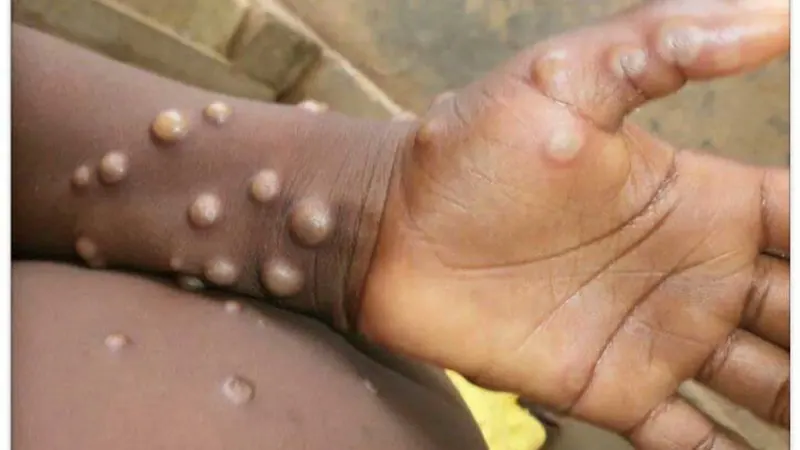
Mpox is a viral disease that can affect anyone, with symptoms including fever, headache, muscle aches, back pain, fatigue, and a rash or skin lesions. The lesions can appear on the face, hands, feet, genitals, or other areas of the body. The Health Department is urging the public to recognize these symptoms and seek medical care early to prevent further spread of the disease.
The distribution of the 22 confirmed cases shows that 18 are in the Western Cape province, three in Gauteng, and one in KwaZulu-Natal. All patients but one are male. The concentration of cases in the Western Cape has prompted the Health Department to support the provincial health department in implementing response measures.
The Health Department, in collaboration with the National Institute for Communicable Diseases (NICD), the World Health Organization (WHO), and other partners, is working to contain the spread of Mpox. These efforts include contact tracing and enhanced surveillance. Health Department spokesperson Foster Mohale emphasized the importance of public cooperation in these efforts.
Mohale advised that anyone who has been in close contact with a confirmed case within the past 21 days and develops symptoms should seek medical attention promptly. They should also inform healthcare providers of their exposure history to facilitate effective response and treatment. The department continues to stress the need for early detection and continued surveillance.
While most cases remain in the Western Cape, the identification of transmission clusters and cases across multiple provinces highlights the need for sustained public cooperation. The Department of Health will continue to monitor the situation closely and provide further updates as new information becomes available. The public is urged to remain vigilant and take necessary precautions to prevent the spread of Mpox.
Key points
- The South African Health Department has confirmed 22 Mpox cases, with 18 in the Western Cape province.
- The department is working with partners to implement response measures, including contact tracing and enhanced surveillance.
- The public is urged to recognize Mpox symptoms and seek medical care early to prevent further spread of the disease.