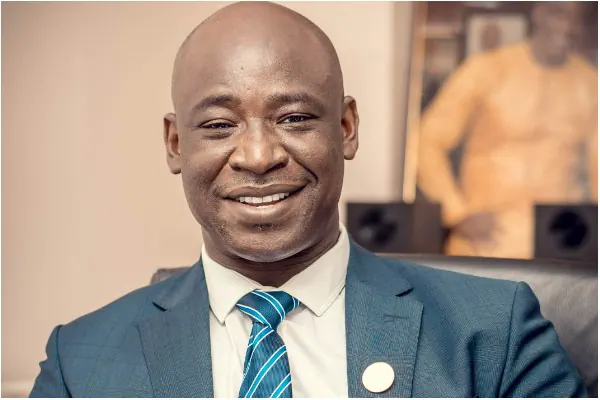
Ghana's push into 5G could end up costing consumers more, not less, if the government does not rethink how it prices spectrum and licences for telecom operators. Abed-Nego Bandim, Chairperson of Parliament's Committee on Information and Communications, expressed these concerns at the 28th Forum of the Ghana Chamber of Telecommunications on 23 September 2026. He stated that operators who pay steep prices to acquire spectrum and licences are likely to transfer that cost to subscribers.
Bandim noted that telecom operators are already carrying a heavy tax burden even before factoring in the cost of acquiring 5G frequencies and operating licences. In 2025, telecom firms paid roughly GH¢15 billion in taxes, amounting to nearly 7% of Ghana's domestic revenue. This has fuelled ongoing debate over how much more the industry can absorb without passing costs on to subscribers.
The MP called on the government to conduct a wider review of the full range of costs weighing on the sector, saying taxation is only one part of the financial pressure operators face. He also questioned whether money set aside this year for digital and telecommunications initiatives would be sufficient to support meaningful development of the sector.
Bandim added that Parliament intends to use its oversight powers to make sure allocated funds are actually released and spent as intended. His remarks come as the industry continues to grapple with the cost of mobile data for work, school, and business.
Fibre-optic cable cuts were also highlighted as another persistent drain on the industry's finances. Ghana Chamber of Telecommunications CEO Sylvia Owusu-Ankomah flagged that the sector has been raising concerns about fibre cuts for between 10 and 15 years without a resolution.
Fibre-optic cables carry the bulk of internet traffic between telecom towers and data centres; when they are damaged, operators must spend heavily on repairs and lose service continuity in the meantime. This, combined with spectrum fees, forms part of what determines how much subscribers ultimately pay for data bundles.
Bandim's warning suggests that pricing decisions made now around 5G rollout could shape affordability for years to come. He said Parliament would use its oversight role to track how telecom-related funds are used, though no specific timeline, hearing date, or review process was announced at the forum.
Key points
- High 5G spectrum fees and unresolved fibre-cutting losses may keep Ghana's data prices costly.
- The industry has been raising concerns about fibre cuts for between 10 and 15 years without a resolution.
- Parliament intends to use its oversight powers to ensure allocated funds for digital and telecommunications initiatives are released and spent as intended.