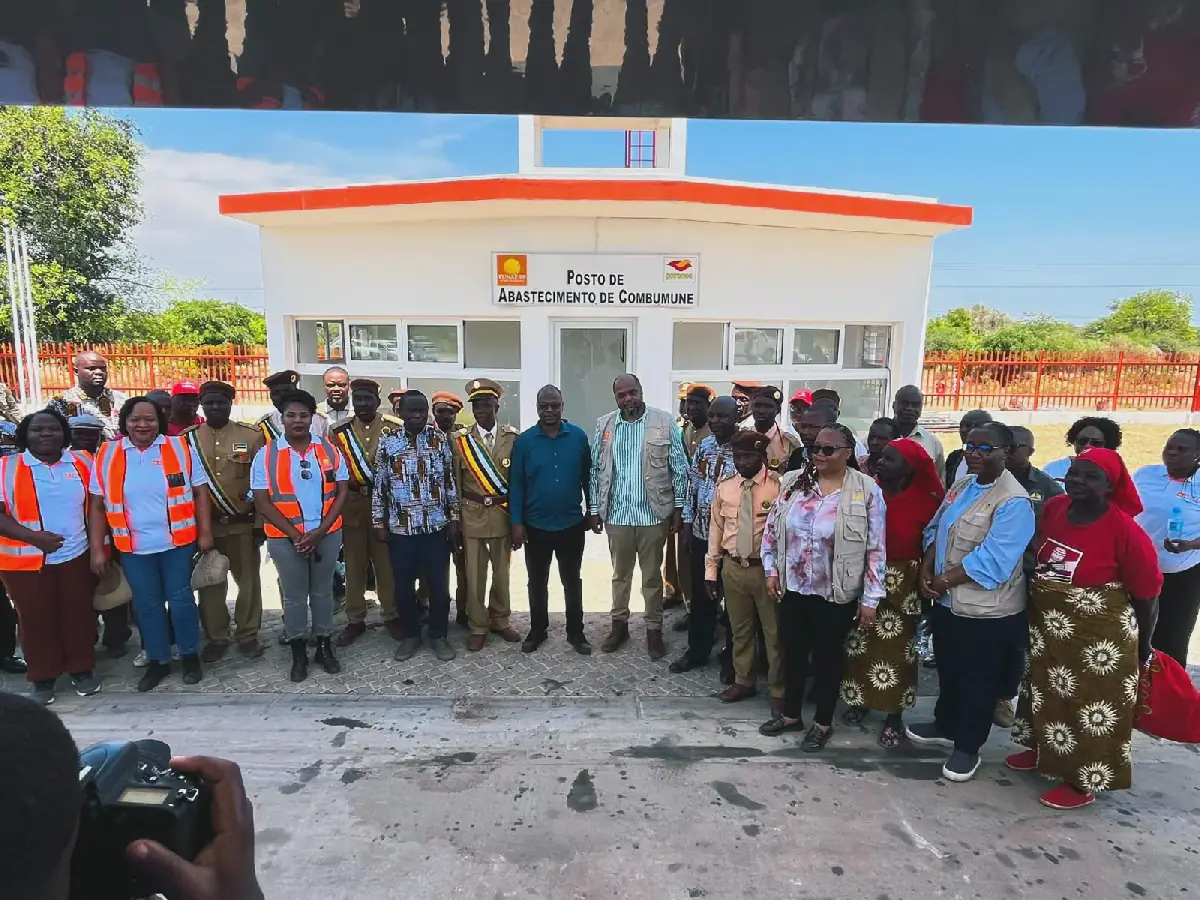
Residents of Combomune, a district in Mabalane, Gaza province, Mozambique, no longer have to travel long distances to fuel their vehicles. On November 6, 2026, a new fuel station was inaugurated in the locality, built by the National Energy Fund (FUNAE). The infrastructure cost approximately 40 million Meticais from the State Budget and has a total capacity of 30,000 liters, comprising 20,000 liters of diesel and 10,000 liters of gasoline.
The fuel station operates using energy generated from solar panels, a sustainable and environmentally friendly approach. This development is expected to benefit over 8,500 inhabitants, particularly farmers, transporters, and motorcycle taxi operators. The station's opening was attended by Gaza Governor Alfeu Cuna, who emphasized that the fuel station represents local development and is more than just a fueling point.
During the inauguration, FUNAE's President of the Board of Directors, Mety Gondola, urged the local population to take care of the new facility. On behalf of the community, Samuel Chaúque expressed gratitude for the project, highlighting that it will eliminate the informal sale of fuel in jerrycans along the roadside and reduce transportation costs for fuel acquisition.
The fuel station's construction is part of the government's efforts to improve infrastructure and provide essential services to rural communities. The project is expected to have a positive impact on the local economy, promoting economic growth and development in the region. The station's solar-powered operation also aligns with Mozambique's goals to increase the use of renewable energy sources.
The new fuel station in Combomune is a significant development for the local community, providing a convenient and sustainable source of fuel. With a capacity of 30,000 liters, the station is well-equipped to meet the fuel needs of the area's residents. The project's success will likely be monitored closely by local authorities and FUNAE.
Local residents have welcomed the new fuel station, citing the benefits it will bring to their daily lives. The station's presence is expected to reduce the risks associated with traveling long distances to access fuel, particularly for motorcycle taxi operators and farmers who rely on fuel for their livelihoods.
The Mozambican government's investment in infrastructure projects like the Combomune fuel station demonstrates its commitment to improving the quality of life for its citizens. The project's impact will be closely watched, and its success may inform future development initiatives in rural areas.
Key points
- The new fuel station in Combomune has a capacity of 30,000 liters and operates using solar energy.