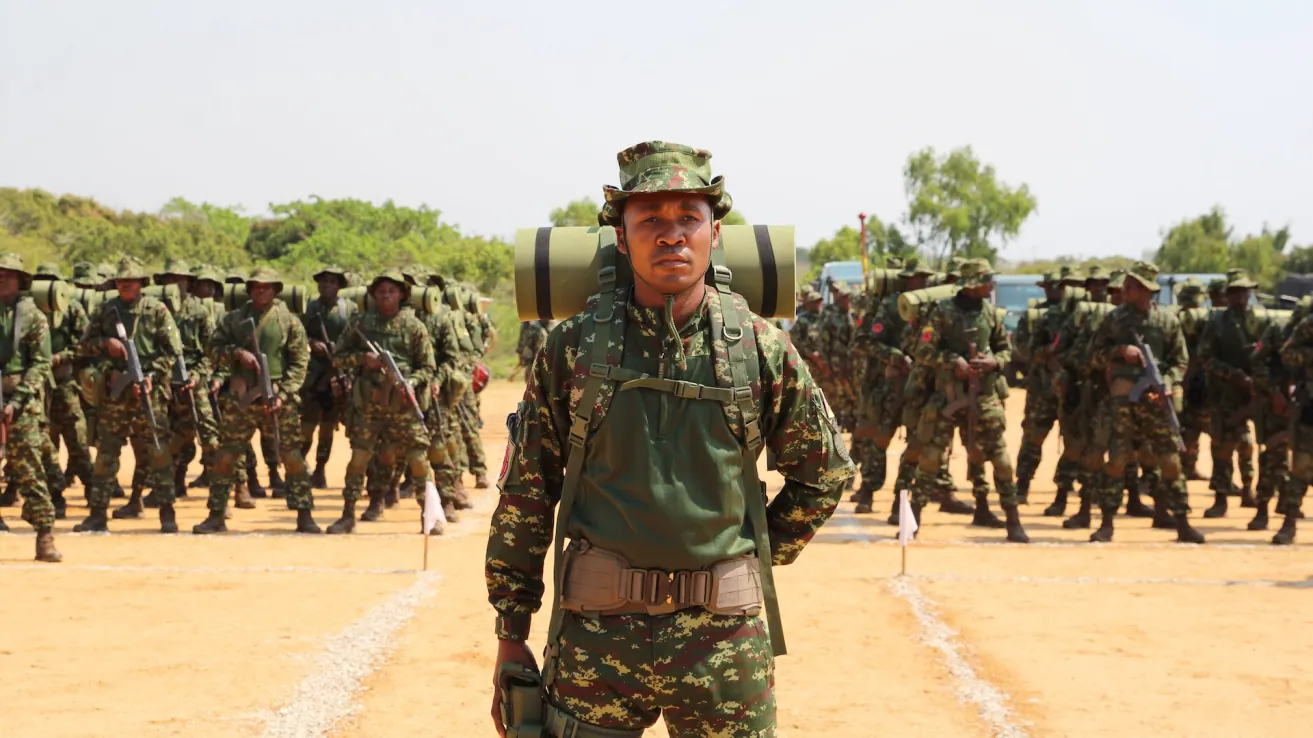
On October 5, 2017, terrorists launched a surprise attack on Cabo Delgado province in Mozambique, catching the Mozambique Defence Armed Forces (FADM) off guard. The FADM had previously been engaged in domestic conflicts for three decades but lacked the capability, logistics, and equipment to counter a rural guerrilla war. The insurgents, who have external support, have been waging a protracted conflict, forcing the government to seek external assistance to bolster the FADM.
The FADM has received significant foreign training and support to improve its capabilities. The Southern African Development Community Mission in Mozambique (SAMIM) helped the FADM dismantle terrorist bases, neutralize leaders, and restore state authority. The European Union (EU) provided substantial training and equipment, including €89 million for training and non-lethal equipment. The EU Training Mission in Mozambique trained over 1,600 military personnel in areas such as command and control, communication, and human rights.
Other countries, including Algeria, the United States, and Rwanda, have also provided training and support to the FADM. Algeria has been providing specialized training to an FADM battalion, focusing on tactical instruction and counter-terrorism. The US has provided training in small-unit tactics, operational planning, and civil protection through its Joint Combined Exchange Training program. These initiatives have improved the FADM's capabilities, but the military still faces significant challenges.
Despite the foreign training, the FADM continues to struggle against the insurgents. The military has been accused of human rights abuses, including killing civilians suspected of collaborating with terrorist groups and committing war crimes against captured terror suspects. These abuses have undermined community support, which is crucial for defeating the insurgents. The FADM's equipment and logistics also remain a major concern, with much of its gear being obsolete or non-functional.
The Mozambican government has been working to address the FADM's weaknesses, including securing new partnerships for logistics, supplies, and equipment. In March, an agreement was signed with India to supply defence equipment and transfer technology for the assembly and repair of aircraft, land vehicles, and patrol vessels. A defence cooperation agreement with Turkey was ratified in 2024 to develop a domestic industry focused on military aviation and weapons.
The FADM has been leading offensives and establishing defensive positions independently since the withdrawal of SAMIM in mid-2024. However, the military has faced setbacks, including deadly ambushes by insurgents, which have resulted in the deaths of police officers, soldiers, and civilians. The insurgents have regained momentum, attacking major roads and stealing food, abducting drivers and passengers, and demanding ransoms.
To defeat the insurgents, the FADM must gain the support of local communities in Cabo Delgado. This requires the military to distinguish between active rebels and non-combatant community members and foster effective civil-military cooperation. The recent establishment of a counter-terrorism centre offers hope that Mozambique can improve its counter-insurgency operations, but the FADM must address its culture of human rights abuses and work to build trust with local communities.
Key points
- The FADM's human rights abuses have undermined community support, which is crucial for defeating the insurgents.
- Foreign training has improved the FADM's capabilities, but the military still faces significant challenges, including inadequate logistics and equipment.
- The FADM must gain the support of local communities in Cabo Delgado to defeat the insurgents.