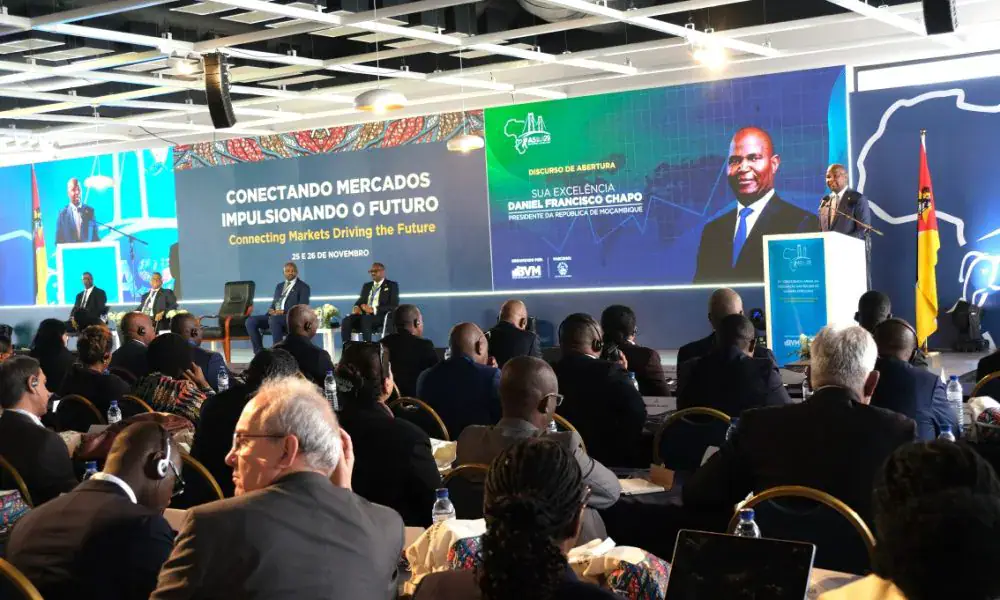
Mozambique's President Daniel Chapo has called for the integration of African capital markets to mobilize internal resources, finance productive economies, and accelerate the continent's economic sovereignty. Speaking at the 29th Annual Conference of the African Securities Exchanges Association (ASEA) in Matutuíne, Maputo province, Chapo emphasized the need for Africa to leverage its natural, energy, and human resources to drive economic decision-making. This push for integration is seen as a strategic move to enhance the continent's economic prospects.
According to President Chapo, Africa must build on the political independence achieved by previous generations to enhance its economic decision-making capabilities. He noted that the continent is endowed with vast resources but must focus on converting raw materials into higher-value products. This process aims to create employment opportunities for young people and women, ultimately generating prosperity for African populations. The integration of capital markets is expected to play a pivotal role in this economic transformation.
The President highlighted the strategic importance of capital markets in financing development initiatives. He advocated for the mobilization of African savings, including resources managed by commercial banks, insurance companies, and pension funds. These resources could be channeled into key sectors such as agriculture, industry, energy, blue economy, transportation, logistics, and small and medium-sized enterprises. By doing so, Africa can reduce its reliance on external funding and promote sustainable economic growth.
The 29th Annual Conference of the African Securities Exchanges Association provides a platform for stakeholders to discuss the integration of capital markets and its implications for African economies. President Chapo's address underscores the need for concerted efforts to deepen the integration of these markets. This integration is expected to facilitate the efficient allocation of resources, enhance financial stability, and promote economic development across the continent.
Observers note that the integration of African capital markets could help address some of the continent's economic challenges. By creating a more cohesive and robust financial system, African countries can improve their ability to mobilize domestic resources and reduce dependence on external financing. This, in turn, could enhance economic resilience and promote sustainable development.
President Chapo's advocacy for capital market integration aligns with broader efforts to promote economic development and cooperation across Africa. The African Union's Agenda 2063, for instance, emphasizes the need for deeper economic integration and cooperation among African countries. By supporting initiatives like the integration of capital markets, African leaders aim to create a more prosperous and economically sovereign continent.
As the conference continues, stakeholders are expected to engage in discussions on the practical steps needed to achieve the integration of African capital markets. These discussions will likely focus on issues such as regulatory frameworks, infrastructure development, and investor confidence. The outcome of these deliberations could have significant implications for the future of African economies and the continent's economic sovereignty.
Key points
- President Daniel Chapo calls for deeper integration of African capital markets to boost economic sovereignty.