Journalists in Nampula, Mozambique, are being called upon to deepen their understanding of new laws regulating social communication and broadcasting. This call comes as the sector undergoes significant changes driven by technological advancements and the expansion of digital media. The new laws aim to update the legal framework that has guided the communication sector since 1991, which is now considered outdated given the rapid technological transformations and new forms of content production and dissemination.
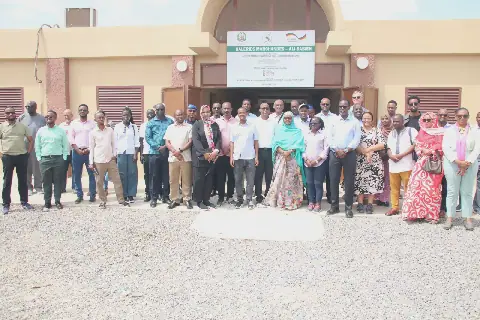
The new laws were approved to address the need for a modernized legal framework that aligns with the current constitutional context. They establish clearer criteria for the registration, licensing, and operation of social communication organs. Elisabeth Chola, Director of Registration and Census at the Information Office (GABINFO), made the appeal during a session to disclose and socialize the new legal instruments with journalists. She emphasized that the legislation clarifies the rights and duties of professionals, strengthens the protection of information sources and professional secrecy, and sets rules on ownership and management structures of communication organs.
Aunício da Silva, President of the Provincial Nucleus of MISA Mozambique in Nampula, welcomed the disclosure of the new laws. He sees it as an important opportunity for journalists to better understand their rights and obligations. Da Silva stressed that practicing journalism requires intellectual preparation, rigor, impartiality, and responsibility. He believes that these new laws will help journalists navigate their profession with greater confidence and clarity.
The National Journalists' Union, represented by Provincial Secretary José Arlindo, expressed satisfaction with the approval of the new laws. Arlindo views the laws as significant advancements in protecting journalists and recognizing new forms of journalistic activity, including blogs, digital newspapers, and internet-based radio stations. The union believes that these laws will improve working conditions and provide a safer environment for journalists to operate.
The introduction of these laws is seen as a crucial step towards adapting Mozambique's communication sector to the digital age. With the rapid growth of digital media, there is a pressing need for clear regulations that protect both journalists and the public. By mastering these new laws, journalists in Nampula and across Mozambique will be better equipped to navigate the changing media landscape.
Key stakeholders, including journalists, media houses, and regulatory bodies, are expected to engage with the new laws to ensure their effective implementation. Training sessions and workshops are likely to be organized to help journalists understand the intricacies of the legislation and its implications for their work. This engagement is crucial for fostering a more informed and responsible media environment in Mozambique.
As Mozambique continues to evolve its legal framework to accommodate technological advancements, the focus on journalist training and awareness is a positive step. By empowering journalists with knowledge of the new laws, the country can promote a culture of responsible journalism that respects ethical standards and contributes to a more informed public discourse.
Key points
- Journalists in Mozambique's Nampula province are being urged to familiarize themselves with new laws governing social communication and broadcasting.
- The new laws aim to update the legal framework that has guided the communication sector since 1991.
- The legislation clarifies the rights and duties of professionals, strengthens the protection of information sources and professional secrecy.