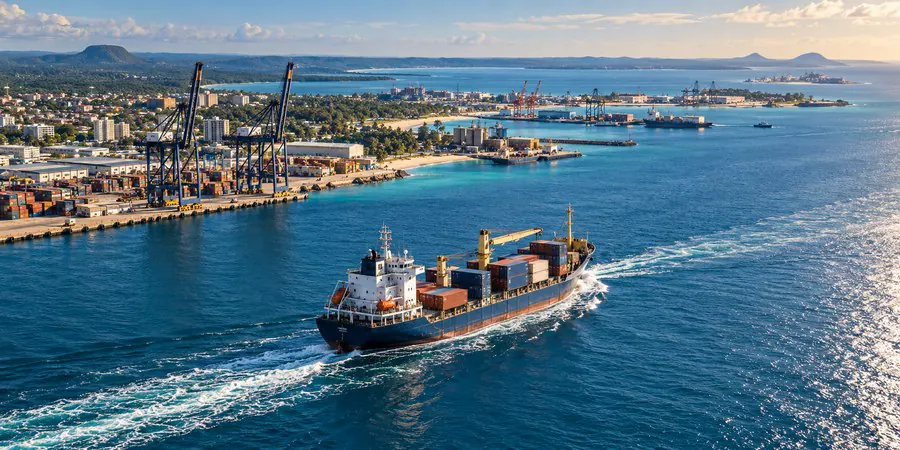
Mozambique's coastal cabotage service, launched by CPG Shipping in April 2025, has begun operating on a national scale, connecting five major ports. The service links Maputo, Beira, Nacala, and the LNG facility at Afungi, providing a credible alternative to long-distance road freight. This development marks a significant milestone in the country's efforts to improve its transportation infrastructure and reduce pressure on its overloaded road corridors.
Since its launch, CPG Shipping has carried approximately 14,000 TEU across its growing network, establishing a commercial foundation within its first operating year. The fleet has expanded to six vessels, covering the full north-south spine of the country. Cargo moves in sealed containers from port to port, eliminating the need for new road construction and reducing pressure on Mozambique's road corridors.
The sea route offers a viable long-haul option for manufacturers and distributors at meaningful scale. Port investment has provided a platform for growth, with DP World expanding Maputo's container terminal to a capacity of around 530,000 TEU annually. This expansion more than doubles the terminal's previous throughput capacity, while work at Beira continues as part of a broader national port investment programme.
The addition of Afungi as a significant new demand centre is crucial to the network's success. TotalEnergies announced a full restart of its Mozambique LNG project in January 2026, which is expected to intensify marine and supply-chain activity at the site as it progresses toward production. CPG Shipping's network connects all three facilities in a single scheduled service, providing a commercially important alignment.
Port upgrades have improved handling speed and vessel turnaround, leading to faster turnarounds, higher vessel utilisation, and lower unit costs per TEU. This enhances the service's competitiveness against road freight. The commercial logic of the network rests on scale and frequency, with more cargo per voyage reducing costs and more frequent sailings attracting more cargo.
CPG Shipping's model also supports domestic value chains by enabling the transportation of goods such as timber harvested in the north to Maputo for processing, and finished goods to Beira and other markets via the same network. This structure shortens supply chains and reduces reliance on trucking over long distances, with road transport remaining essential for first- and last-mile delivery.
As the service continues to grow, investors and procurement teams are advised to monitor three key indicators: recurring cargo volumes, port turnaround times, and return-load availability. Sustained improvement across these indicators would signal that CPG Shipping's service is evolving from a niche carrier into a national logistics platform, potentially reshaping freight economics along one of Africa's longest coastlines.
Key points
- CPG Shipping's Mozambique coastal network connects Maputo, Beira, Nacala, and the LNG facility at Afungi.
- The service has carried approximately 14,000 TEU since its launch in April 2025.
- DP World is expanding Maputo's container terminal to a capacity of around 530,000 TEU annually.