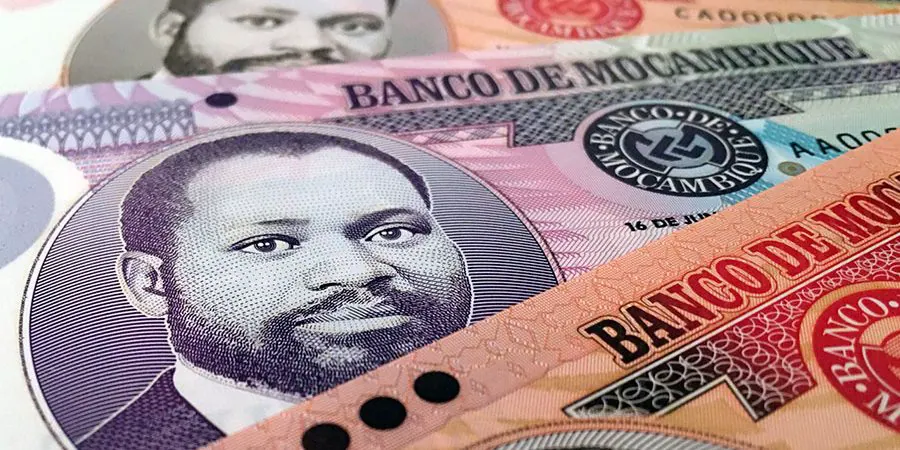
The Bank of Mozambique has maintained its benchmark MIMO policy rate at 9.25% as of September 30, 2026, while announcing changes to its reserve-requirement regime to encourage targeted lending to productive sectors. This strategic shift aims to support economic growth through directed credit rather than broad monetary easing. The decision reflects a cautious approach, balancing the need to stimulate the economy with the imperative of controlling inflation.
The Monetary Policy Committee identified climate shocks and geopolitical tensions as significant external risks that could impact the global economy, potentially leading to higher fuel and food prices. Domestically, the economic recovery is described as gradual. To mitigate these challenges, the central bank has revised its reserve rules, providing banks with a direct incentive to increase lending in key sectors such as agriculture, export processing, and import-substitution industries.
Mozambique's annual inflation rate decreased to 6.45% in August 2026, according to data from the central bank. Core inflation also showed a decline during the same period. Despite near-term price pressures from imported goods and seasonal food costs, the bank expects inflation to remain under control due to a stable metical and subdued domestic demand. Inflation is projected to return to single-digit levels over the medium term.
The country's real GDP growth was 1.7% year-on-year in the second quarter of 2026, marking an improvement from the 0.1% growth recorded in the first quarter. This growth was driven by positive contributions from agriculture, extractive industries, and services. The central bank anticipates that these sectors, along with major strategic projects, will continue to sustain moderate growth.
A significant source of foreign-currency inflows for Mozambique is LNG-related investment. The central bank reported a strengthening of foreign-exchange activity over the review period. However, public debt levels, particularly domestic debt, which stood at approximately MT538.3 billion by mid-2026, continue to influence market conditions. Payment arrears on government securities affect money-market rates and impact country-risk assessments.
The changes in reserve requirements may enhance lending economics for commercial banks in targeted sectors, but the uptake will depend on borrower creditworthiness and the pace of public arrears clearance. Market analysts note that the Bank of Mozambique is utilizing the reserve tool to direct credit to areas of the economy that need it most, as the rate channel alone cannot achieve this objective.
Investors and policymakers are advised to monitor three key indicators: loan disbursements in targeted sectors, export-receipt trends, and the trajectory of domestic inflation through the fourth quarter. The success of Mozambique's monetary framework in the period ahead will be determined by its ability to lift productive investment without reviving price pressures.
Key points
- The Bank of Mozambique kept the MIMO policy rate at 9.25% on September 30, 2026.
- The central bank revised its reserve rules to incentivize banks to expand lending in productive sectors.
- Mozambique's annual inflation rate was 6.45% in August 2026, with expectations of returning to single-digit levels over the medium term.