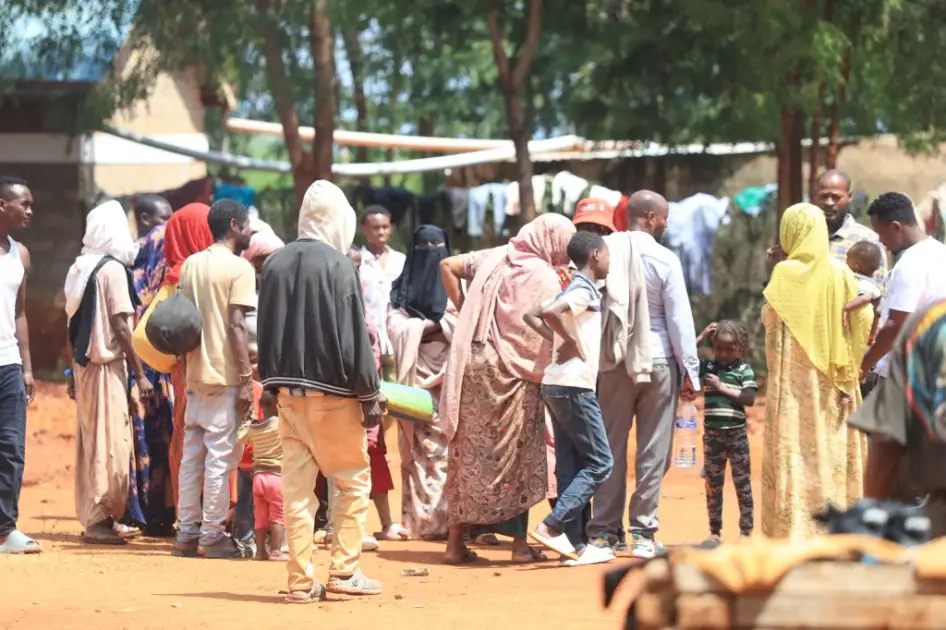
The escalating conflict in neighbouring Ethiopia is pushing more people across the border into Kenya, with Moyale bearing the brunt of the growing displacement. The Kenya Red Cross Society, in partnership with the United Nations High Commissioner for Refugees (UNHCR), has launched an identification exercise targeting displaced families in Harhosa and OMC camps. This effort aims to establish a clear record of those in need and guide the delivery of humanitarian assistance.
At the camps, humanitarian teams are issuing simple blue wristbands with unique identification codes to help document the growing number of displaced people seeking refuge in Kenya. According to Enock Achola from UNHCR, the wristbands will help identify individuals and enable humanitarian agencies to organise the displaced population and strengthen coordination in the delivery of assistance.
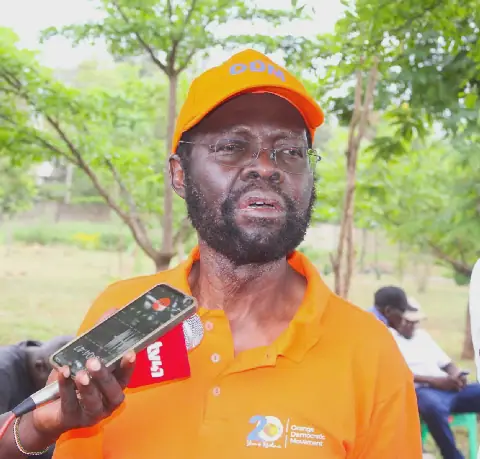
The identification exercise is a crucial step towards official recognition and inclusion in humanitarian assistance programmes for families fleeing the conflict. The Kenya Red Cross and UNHCR teams are working together to ensure that the identification process reaches those who need support. Kelvin Njenga, a Digital Transformation Officer at Kenya Red Cross, noted that the digital identification codes will help streamline the issuance of household assistance.
The next phase of the registration process will involve issuing household aid cards, capturing family details to help identify those in need and ensure humanitarian assistance reaches the right households. Humanitarian agencies say their immediate priority is to ensure every displaced person is identified and accounted for as they organise support for the growing refugee population in Moyale.
Community representatives are playing a key role in helping agencies reach new arrivals, facilitate communication and ease their integration into host communities. The UNHCR reports that more than 50,000 people have crossed the border since fighting erupted around October 21–22, 2026. This number is expected to continue growing as conflict persists in Ethiopia.
The situation on the ground remains challenging, with refugees, mostly women and children, striving to survive in temporary shelters established inside school buildings in Moyale. Humanitarian agencies are working tirelessly to provide support and ensure that the basic needs of the displaced population are met. The identification exercise is a critical component of this effort.
As the situation continues to unfold, humanitarian agencies are urging for continued support and assistance to help address the growing refugee crisis in Moyale. The partnership between the Kenya Red Cross Society and UNHCR is crucial in providing a coordinated response to the crisis, and their efforts are aimed at ensuring that every displaced person receives the support they need.
Key points
- Over 50,000 people have crossed the border from Ethiopia into Kenya since October 21, 2026.
- Humanitarian agencies have launched an identification exercise to support displaced families in Moyale.
- The identification process involves issuing blue wristbands with unique codes to help document and support the growing refugee population.