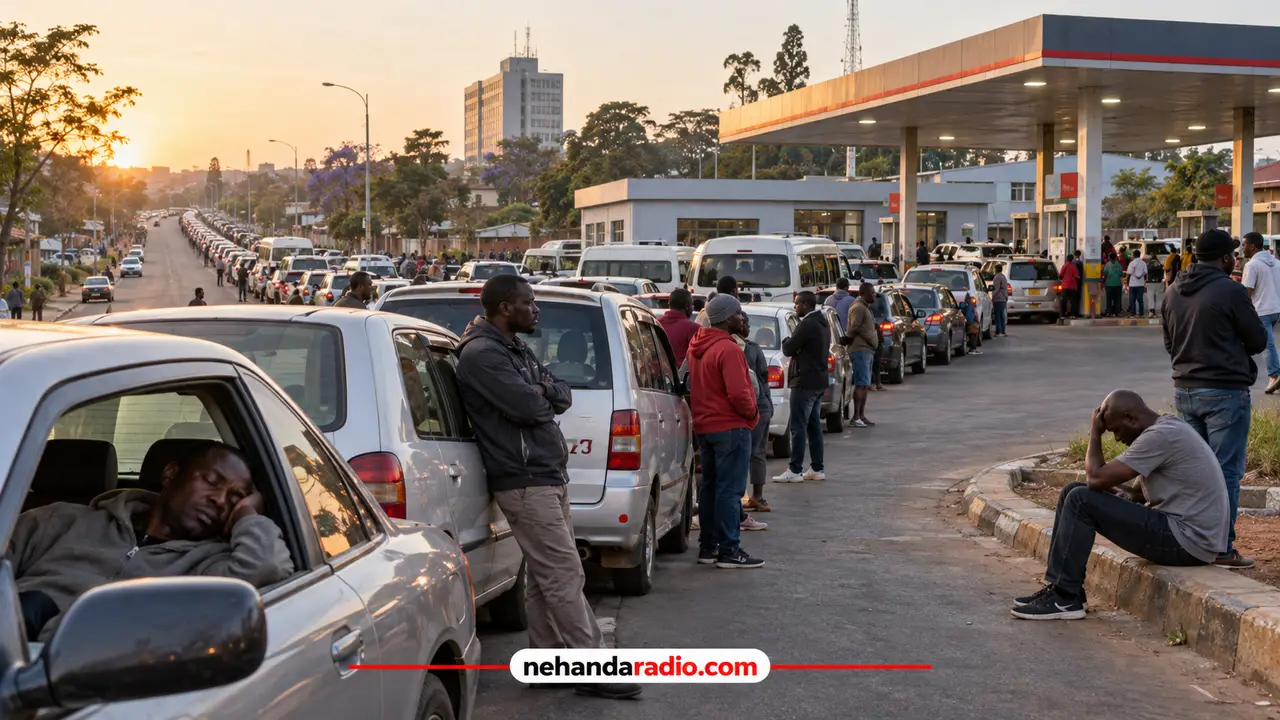
Motorists in Malawi’s capital, Lilongwe, are facing a severe fuel shortage that has disrupted transport, businesses, schools and everyday life. The crisis has made routine journeys increasingly difficult, with residents struggling to travel to work, take children to school or reach shops and other essential services. Some drivers are sleeping in their vehicles to protect their positions in queues stretching outside filling stations.
The queues are reportedly lasting for days rather than hours as motorists wait for deliveries that may run out before reaching everyone. Some drivers have chosen to remain in their cars overnight because leaving the queue could mean losing their position and beginning the search for fuel again elsewhere. This has resulted in long queues and significant disruptions to daily life.
The shortage has reportedly entered its second week, although it remains unclear how many filling stations have been affected or when normal supplies will resume. Businesses in Lilongwe are reporting falling customer numbers as residents restrict their movements and prioritise essential journeys. Transport operators and companies that depend on deliveries are also facing higher costs and delays.
Parents have struggled to take children to school, while some employees have found it difficult to reach their workplaces. The crisis risks increasing transport fares and the prices of essential products if businesses pass higher operating and delivery costs on to consumers. This has significant implications for the local economy and the daily lives of residents.
The immediate cause of the latest supply disruption has not been fully explained by Malawian authorities. However, the landlocked southern African country has experienced repeated fuel shortages linked to limited foreign currency reserves, rising import costs and difficulties financing fuel purchases. This has created a challenging environment for businesses and residents.
Earlier this year, Malawi reportedly sought a US$120 million loan from the African Export-Import Bank to finance fuel imports and ease pressure on supplies. The country relies heavily on imported petroleum products transported through neighbouring countries, leaving it vulnerable to foreign currency shortages, higher international oil prices and disruptions along regional supply routes.
Residents and businesses are now waiting for authorities to explain when consistent fuel deliveries will resume. Without an urgent improvement in supply, the shortage could place further pressure on transport, food distribution, schools, healthcare services and small businesses already struggling with Malawi’s economic difficulties. The government will need to provide a solution to this crisis to mitigate its impact on the country.
Key points
- Motorists in Lilongwe are waiting up to three days to buy petrol due to a severe fuel shortage.
- The fuel shortage has disrupted transport, businesses, schools and everyday life in Lilongwe.
- Malawi has experienced repeated fuel shortages linked to limited foreign currency reserves and rising import costs.