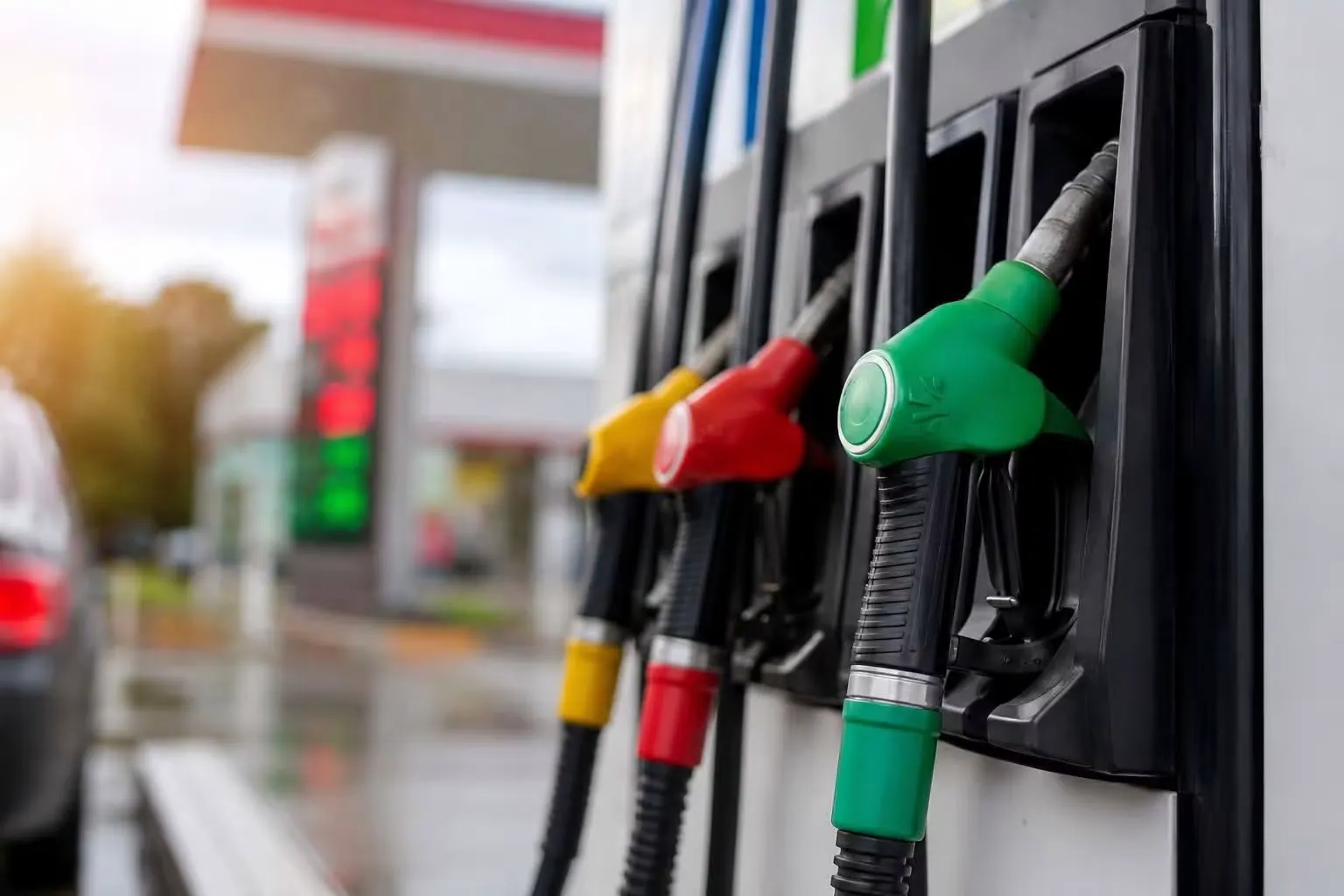
Motorists in Eswatini are bracing for a significant increase in fuel prices, with petrol, diesel, and illuminating paraffin prices rising by E3.43 per litre from October 1. The Ministry of Natural Resources and Energy announced the price hike, citing soaring international oil prices and disruptions to global fuel supplies. The new prices will take effect from midnight on Thursday, October 1, 2026.
The price increase is attributed to exceptional international market conditions, including persistent geopolitical tensions affecting global oil supplies. Security threats and disruptions along key maritime routes, such as the Strait of Hormuz and the Bab el-Mandeb Strait, have impeded the movement of crude oil and petroleum products. This has resulted in increased shipping, insurance, and freight costs.
The specific price increases are as follows: Unleaded Petrol (ULP 95) will rise from E25.97 to E29.40 per litre, Diesel 50ppm S will increase from E28.85 to E32.25 per litre, and illuminating paraffin will rise from E21.73 to E25.16 per litre. These changes reflect the surge in Brent crude oil prices above US$100 per barrel in September, compared to an average of US$89 per barrel in August.
The Ministry of Natural Resources and Energy stated that damage to Russian refineries and restrictions on Russian fuel exports have constrained global diesel supplies. This has occurred at a time when international refining capacity is already under pressure. As a result, Eswatini, which imports 100 per cent of its fuel products, has faced higher import costs.
The domestic fuel products in Eswatini have been experiencing under-recoveries of up to E4.80 per litre by the end of September. The pressure on fuel prices has also been compounded by movements in the exchange rate, with the Lilangeni averaging E16.18 against the US dollar in September, compared to E16.14 in August.
The fuel price hike is expected to have a significant impact on motorists and the general public in Eswatini. With the increased prices, individuals and businesses may need to adjust their budgets and transportation costs. The Ministry of Natural Resources and Energy has urged motorists to be mindful of their fuel consumption and to explore ways to mitigate the effects of the price increase.
The fuel price increase is a significant development in Eswatini, and its effects will be closely monitored by the government and the public. The Ministry of Natural Resources and Energy will continue to monitor the situation and make adjustments as necessary to ensure a stable fuel supply in the country.
Key points
- Motorists in Eswatini will pay E3.43 more per litre for fuel from October 1.
- The price increase is driven by soaring international oil prices and disruptions to global fuel supplies.
- Eswatini imports 100 per cent of its fuel products, making it vulnerable to fluctuations in global fuel prices.