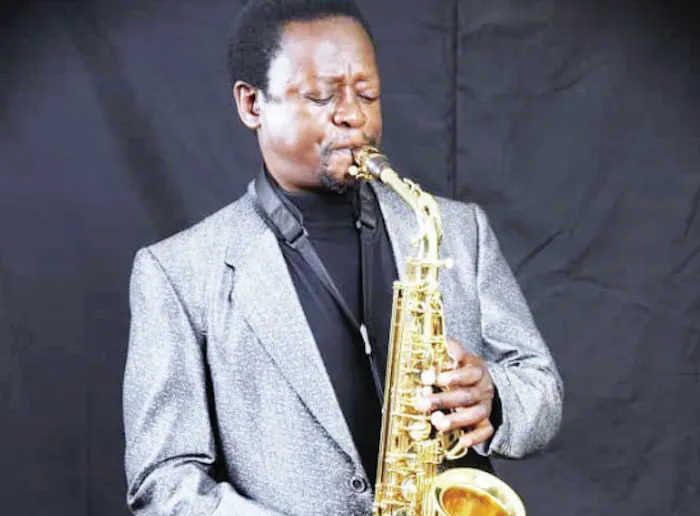
Moses Matovu, a name synonymous with Ugandan music, has been hailed as one of the country's all-time greats. His legacy, which spans over 50 years, is a testament to his dedication and passion for music. As the leader of the Afrigo band, Matovu created a standard that stood the test of time, producing numerous hits and inspiring generations of musicians. His impact on Ugandan music cannot be overstated, and his recent passing on September 24 has left a void that can never be filled. Matovu's journey to stardom began in the 1960s, playing with various bands, including Thunderbirds and Cranes band.
Born in a humble background, Matovu's early life was marked by his love for music and sports. He was a chorister at Namirembe Cathedral Choir and played top-level football with Express FC and Police FC. His musical journey gained momentum when he joined the Kibuli-based Police Jazz band in 1968, where he met saxophonist Mansour Bulegeya, who tutored him in the basics of the saxophone. By 1969, Matovu had become a sought-after vocalist and joined Cranes band, teaming up with notable musicians such as Tony Senkebejje and Charles Sekyanzi.
Matovu's time with Cranes band was marked by significant milestones, including penning his first songs, Jimmy Ssaasira and Ekadde, which became instant hits. However, the band's lack of a saxophonist was a significant gap, which Matovu sought to fill by intensifying his training with Bulegeya. In 1974, Cranes band group members reached irreconcilable differences, leading to a breakup. This led to the formation of Afrigo band in 1975, with Matovu at the helm.
Afrigo band quickly gained popularity, capitalizing on the rhumba euphoria that had swept the region in the early 1970s. The band won the heart of President Idi Amin, who wooed them to his favorite hangout, Cape Villas. In 1976, Amin offered to sponsor the band directly from government coffers under the president's office, a move that was a game-changer for the band. However, Matovu and his colleagues were skeptical of Amin, who had reportedly murdered their former colleague, Jessy Kasirivu.
Despite the challenges that came with state patronage, Afrigo band continued to thrive, performing at various events and venues. In 1984, the band was picked to be the opening act for Franco Luambo Makiadi's TPOK Jazz band at Nakivubo stadium. Franco was astonished by Matovu's saxophone skills and invited him to join his band in Brussels, Belgium. However, Matovu turned down the offer, choosing to lead Afrigo band by example.
Over the past 40 years, Matovu has been the top reference person when it comes to professionalism, perfection, longevity, leadership, and consistency in Ugandan music. He has released several albums and performed over 300 hits with Afrigo band. His legacy continues to inspire new generations of musicians, and his impact on the country's music scene will never be forgotten.
Moses Matovu's life was a testament to his resilience and dedication to his craft. He survived the brutal 1970s era, endured adversity in the 1980s, and even contemplated fleeing to exile. Despite his passing, his legacy lives on, and his contributions to Ugandan music will continue to be celebrated for years to come.
Key points
- Moses Matovu was a legendary musician and leader of the Afrigo band, with a career spanning over five decades.
- He was a pioneer of Ugandan music, creating a standard that stood the test of time and inspiring generations of musicians.
- Matovu's legacy continues to inspire new generations of musicians, and his impact on the country's music scene will never be forgotten.