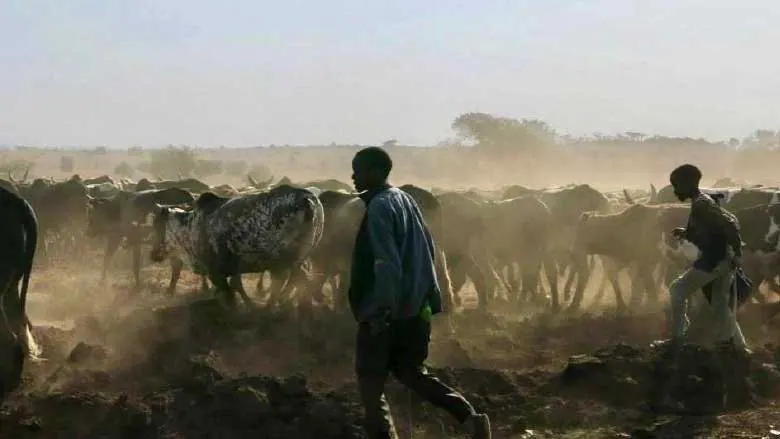
Morogoro Regional Commissioner Queen Sendiga has launched a 60-day exercise aimed at identifying livestock keepers and their animals, as well as assessing land use across villages. The exercise, which began on September 18, seeks to find a lasting solution to recurring conflicts between farmers and herders. It will be conducted at village level by experts and local officials to establish accurate data on livestock ownership.
The exercise will use modern technology, including drones and aircraft, to identify livestock in valleys, water catchment areas, and forest reserves. This will enable authorities to make informed decisions on land use and environmental protection. Village executive officers have been directed to provide detailed information on the number of recognised livestock keepers, the number of animals they own, and the land they occupy.
According to Ms Sendiga, the exercise will involve several institutions, including the Tanzania Wildlife Management Authority (TAWA), Tanzania National Parks Authority (TANAPA), Tanzania Forest Services Agency (TFS), and local government authorities. The collaboration aims to ensure that the exercise is comprehensive and effective in addressing the issues of livestock identification and land use.
The exercise is also crucial for protecting major national projects, particularly the Julius Nyerere Hydropower Project (JNHPP). The Kilombero River, which contributes about 65 per cent of the water flowing into the hydropower dam, originates in Morogoro Region. Protecting its catchment areas is critical to ensuring the project's success.
Mvomero District resident Nasibu Ally has welcomed the exercise, saying it could help reduce long-standing disputes in livestock-keeping areas such as Mtibwa and Kanga wards. He noted that some livestock keepers who violate the law often rely on their wealth and large herds to resist enforcement measures.
The exercise aims to establish proper land use and support the needs of different communities. By gathering accurate data on livestock ownership and land use, authorities can make informed decisions on how to manage the region's resources effectively. This, in turn, can help reduce conflicts between farmers and herders.
The Morogoro Regional Commissioner emphasised that finding a lasting solution to the conflicts between farmers and livestock keepers is a priority. The exercise is a step towards achieving this goal, and the authorities are committed to ensuring its success. The exercise will provide valuable insights into the region's livestock population and land use patterns.
Key points
- The exercise aims to identify livestock keepers and their animals, as well as assess land use across villages.
- The exercise will use modern technology, including drones and aircraft, to identify livestock in valleys, water catchment areas, and forest reserves.
- The exercise is crucial for protecting major national projects, particularly the Julius Nyerere Hydropower Project (JNHPP).