The report by UN Secretary-General Antonio Guterres on Western Sahara has been made public, revealing new information on the negotiations between Morocco and other parties involved in the regional conflict. The talks, facilitated by the United States and the United Nations, aimed to find a solution to the longstanding dispute. Mauritania, a neighboring country, has expressed concerns over the border region, particularly the strategic area of Kuweira.
According to the report, Mauritanian Foreign Minister Mohamed Salem Ould Merzoug emphasized the need for a committee to determine the final and permanent international borders of Western Sahara, agreed upon by all parties involved. This proposal is linked to Mauritania's security and political concerns, especially regarding its northern border and the Kuweira region, which holds significant geopolitical and economic importance for Nouakchott.
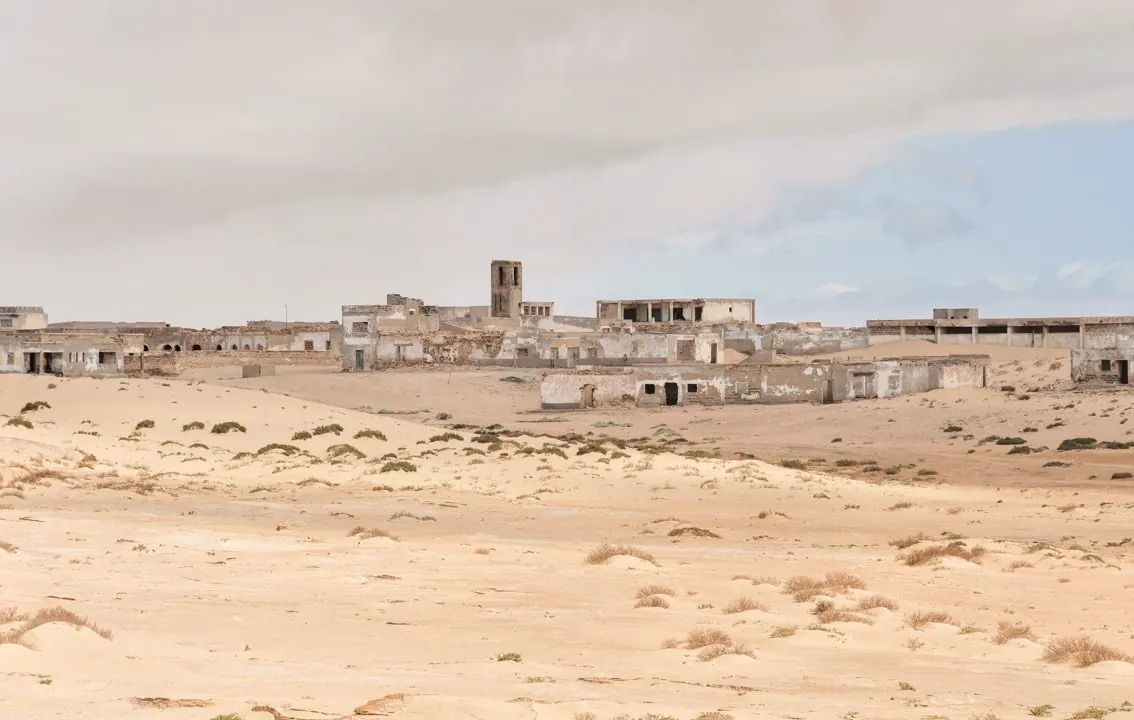
The Kuweira region, located near the Atlantic coast and the city of Nouadhibou, is a strategic area that has been a point of interest for Mauritania. The region's importance is not only economic but also geopolitical, making it a crucial aspect of Mauritania's relations with its neighbors. The proposal by Mauritania aims to establish a clear and agreed-upon border, which would help to alleviate tensions in the region.
The negotiations between Morocco and other parties, including Mauritania, have been ongoing, with the United States and Spain hosting talks earlier this year. These discussions are part of a new international context, established by UN Security Council Resolution 2797, adopted on October 31, 2025. The resolution emphasizes that the autonomy initiative under Moroccan sovereignty is the only basis for a political solution to the regional conflict.
The autonomy initiative, proposed by Morocco, aims to grant Western Sahara a degree of autonomy while maintaining Moroccan sovereignty. This proposal has been met with varying degrees of support from the international community, with some countries recognizing it as a viable solution. However, other parties involved in the conflict have expressed concerns and reservations about the proposal.
The report by Guterres also highlights the complexities of the Western Sahara conflict, which has been ongoing for decades. The conflict has involved multiple parties, including Morocco, Mauritania, and the Polisario Front, a separatist group seeking independence for Western Sahara. The UN has been involved in efforts to resolve the conflict, with the Secretary-General's report providing an update on the current situation.
The situation in Western Sahara remains complex, with various parties holding different positions on the conflict. The international community continues to seek a peaceful solution, with the UN playing a key role in facilitating negotiations. The proposal by Mauritania on border guarantees and the autonomy initiative by Morocco are key aspects of the ongoing discussions.
Key points
- Mauritania seeks guarantees on its border with Western Sahara, particularly in the strategic Kuweira region.
- The UN report on Western Sahara highlights the complexities of the conflict and the ongoing negotiations between Morocco and other parties.
- The autonomy initiative under Moroccan sovereignty is considered a viable solution to the conflict, but its implementation remains a subject of debate.