Morocco is set to host the ECOWAS Women in Cybersecurity event from November 16 to 20, aiming to strengthen the leadership and skills of African women in the field of cybersecurity. The event, organized by the Economic Community of West African States (ECOWAS), Smart Africa/SADA, and the World Bank, in partnership with Morocco's General Directorate for Information System Security (DGSSI), brings together around 40 high-level African professionals from 17 countries. The initiative seeks to address the underrepresentation of women in cybersecurity roles across the continent.
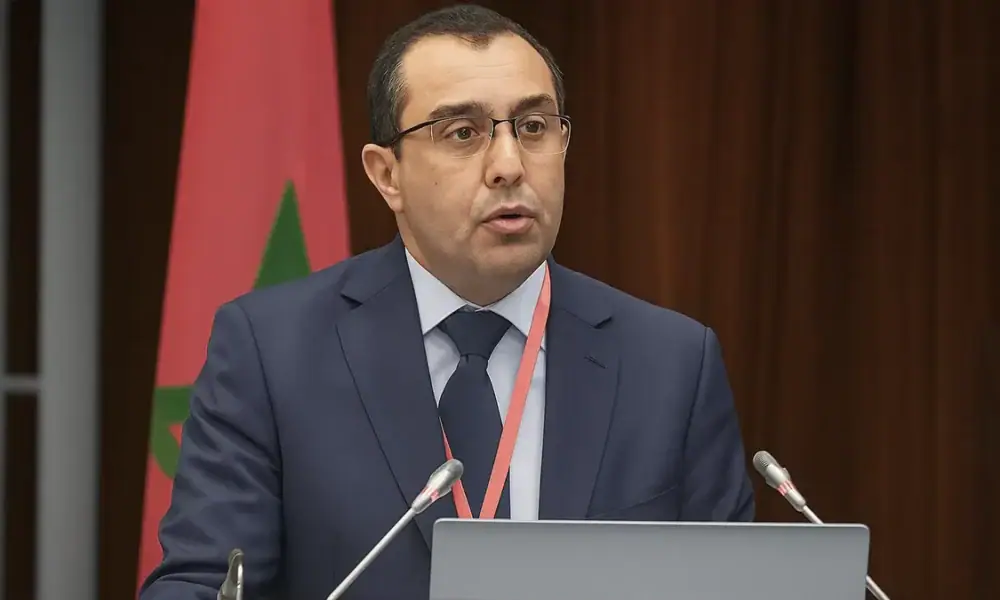
The Director-General of DGSSI, Brigadier General Abdellah Boutrig, emphasized the importance of this regional initiative in promoting African women's leadership and skills in cybersecurity. He highlighted that this effort aligns with the vision of King Mohammed VI, who has consistently stressed the vital role of African women in building a strong, united, and confident Africa. The King's vision, as expressed in a 2018 address to the Women in Africa summit, underscores the need for women's empowerment and participation in strategic sectors such as cybersecurity.
Brigadier General Boutrig noted that the African continent faces a significant shortage of skilled cybersecurity professionals, particularly women. He cited the experience of the African Network of Cybersecurity Authorities (ANCA), where women have been underrepresented in cybersecurity discussions and decision-making processes. To address this gap, he stressed the need to provide more opportunities for women to access leadership roles, valorize their skills, and contribute to national cybersecurity policies.
The ECOWAS Women in Cybersecurity event aims to create a sustainable pipeline of future African female leaders in cybersecurity. The initiative will provide participants with the skills and expertise needed to take on leadership roles in cybersecurity, including managing technical teams, overseeing security operations centers, and leading national projects. By empowering women in cybersecurity, Morocco and its partners hope to enhance the continent's cybersecurity capabilities and promote a more inclusive and diverse approach to addressing cyber threats.
The event is part of Morocco's broader commitment to supporting the development of African women's leadership and skills in strategic sectors. By hosting this initiative, Morocco demonstrates its dedication to fostering a more inclusive and diverse cybersecurity landscape across the continent. The participation of Moroccan representatives alongside African professionals underscores the country's willingness to collaborate with its African partners in addressing common cybersecurity challenges.
The Brigadier General emphasized that the inclusion of women in leadership roles is not only a matter of equality but also a factor in improving governance, diversity, and institutional performance. He argued that the African continent cannot afford to exclude a significant portion of its talent from strategic and operational responsibilities, particularly in a sector where threats are constantly evolving and skills are in high demand.
The ECOWAS Women in Cybersecurity event is a significant step towards addressing the underrepresentation of women in cybersecurity roles across Africa. By providing a platform for African women to develop their skills and expertise in cybersecurity, Morocco and its partners aim to create a more sustainable and inclusive approach to addressing the continent's cybersecurity challenges. The initiative is expected to have a lasting impact on the development of African women's leadership in cybersecurity.
Key points
- Morocco is hosting the ECOWAS Women in Cybersecurity event to empower African women in cybersecurity and address the underrepresentation of women in the field.
- The event aims to create a sustainable pipeline of future African female leaders in cybersecurity and promote a more inclusive and diverse approach to addressing cyber threats.
- The initiative aligns with Morocco's commitment to supporting the development of African women's leadership and skills in strategic sectors.