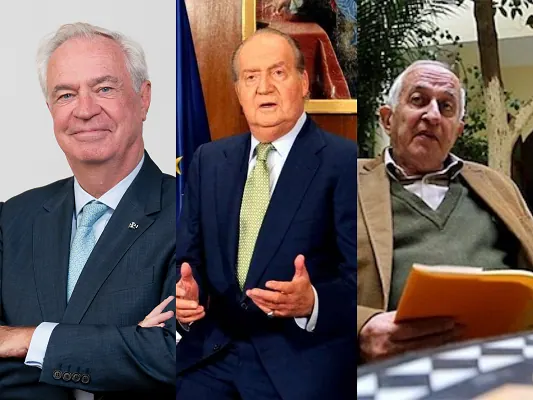
The complex history between Morocco and Spain has been documented in memoirs by politicians, thinkers, diplomats, and spies over the centuries. The relationship, spanning over 13 centuries, has seen numerous events, battles, wars, conquests, and colonization. Despite periods of tension, the two nations have often opted for coexistence. These memoirs offer a unique perspective on the relations between the two countries, providing insights into the personal experiences of leaders who shaped their histories.
King Juan Carlos I of Spain published his memoirs, "El Acuerdo" (The Agreement), in 2015, which detailed his relationship with Morocco's late King Hassan II. The memoirs highlighted the strong bond between the two leaders, which played a crucial role in maintaining stability between the countries. Juan Carlos described his first contact with Hassan II in 1975 during the Green March and discussed the long-standing issue of Ceuta and Melilla. He emphasized that the personal relationship between the two monarchs helped to ease tensions and foster cooperation.
The memoirs of King Juan Carlos also revealed that he and King Hassan II had regular phone conversations, which helped to resolve issues and prevent conflicts. The king recounted his first official visit to Morocco in 1979 and his last meeting with Hassan II in June 1999. Juan Carlos expressed his admiration for Hassan II, describing him as a close friend whose loss was deeply felt. The Spanish monarch's memoirs have sparked reactions in Spain, with some criticizing his defense of former dictator Francisco Franco.
Former Spanish Prime Minister José María Aznar also published his memoirs, "El compromiso" (The Commitment), which included details about his interactions with King Hassan II. Aznar recounted his first visit to Morocco in 1996 and subsequent meetings with the king. During their conversations, Hassan II reiterated Morocco's claim to Ceuta and Melilla, leading Aznar to caution that Morocco's pursuit of these cities could lead to war. Aznar's account provides insight into the complexities of Spanish-Moroccan relations during his tenure.
Historian Charles Powell, in his book "El Rey Juan Carlos y la proyección exterior de España" (King Juan Carlos and the External Projection of Spain), examined Spanish foreign policy during Juan Carlos' reign. Powell highlighted the challenges faced by Juan Carlos in resolving the Western Sahara conflict, which he described as the most bitter experience for the monarch as a Spanish prince. The historian noted that Juan Carlos' efforts to avoid a war with Morocco over Western Sahara earned him popularity among Spaniards.
Powell's book also revealed that Juan Carlos was willing to consider transferring sovereignty over Melilla to Morocco. This revelation has sparked debate in Spain about the country's historical relationships with its North African territories. The memoirs and historical accounts underscore the intricate nature of Moroccan-Spanish relations, marked by cooperation, tension, and a deep history.
The various memoirs and historical accounts offer a nuanced understanding of the complex relationships between Morocco and Spain. By examining the personal experiences and reflections of leaders who shaped these relations, a more comprehensive picture emerges of the challenges and opportunities that have arisen between the two nations. As both countries continue to navigate their shared history and future, these accounts provide valuable insights into the complexities of their relationship.
Key points
- Moroccan-Spanish relations have been shaped by a complex history of cooperation and tension.
- The memoirs of Spanish leaders, including King Juan Carlos and Prime Minister José María Aznar, offer unique perspectives on the relations between Morocco and Spain.
- The relationship between Morocco and Spain continues to be influenced by historical events, including the status of Ceuta and Melilla and the Western Sahara conflict.