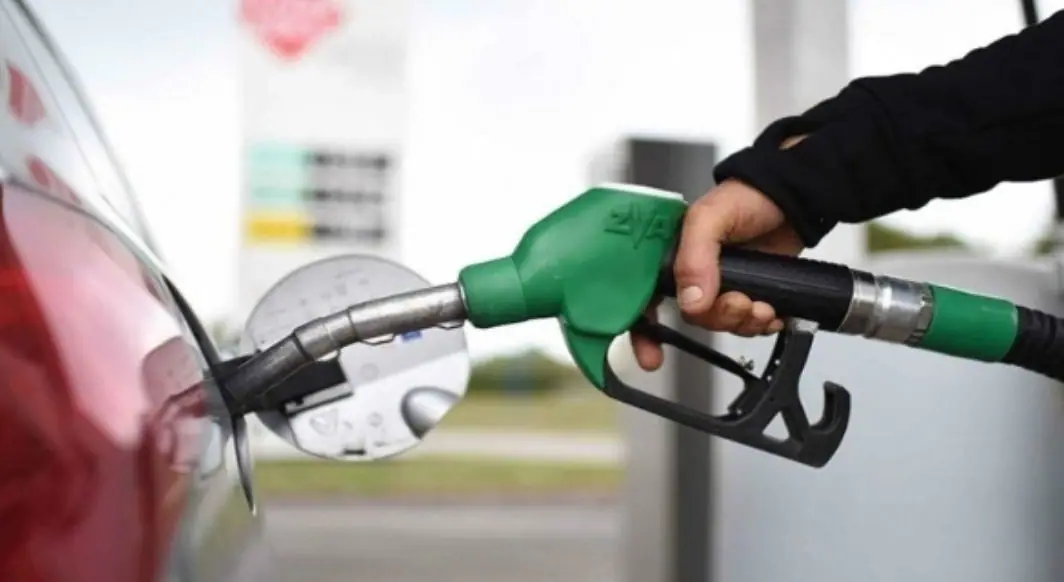
As of Monday, November 16, fuel prices in Morocco have decreased, with diesel prices dropping by 20-29 dirhams per liter and gasoline prices by 50-61 dirhams per liter. In Casablanca, the reference prices for diesel and gasoline are now 16.20 dirhams and 14.59 dirhams per liter respectively at Afriquia. This decrease comes after a series of hikes in recent months, with diesel prices rising by up to 1 dirham per liter, or 50 dirhams per tank.
The recent price drop has been met with skepticism by motorists, who have seen prices rise sharply over the past few months. In July, the price of diesel was around 12.61 dirhams per liter in Casablanca, and over the next four months, the price of a full tank increased from around 630 dirhams to 845 dirhams. The decrease in prices has been described as modest, and motorists are still feeling the pinch of high fuel costs.
The decrease in fuel prices has not been uniform, with diesel prices dropping by a smaller amount than gasoline prices. This has led to diesel becoming the more expensive fuel, with a price difference of around 2 dirhams per liter. Economists have noted that this could have an impact on the economy, as diesel is widely used by trucks, taxis, and buses.
The global price of oil has been cited as a reason for the recent price hikes, with the price of Brent crude oil rising to around 118 dollars per barrel in late October. However, the price has since dropped to under 110 dollars per barrel, and the decrease in fuel prices has been limited. Economists have described this phenomenon as the "fusee and plume" effect, where prices rise quickly but fall slowly.
The Moroccan government has not intervened to adjust fuel prices, and has instead opted to provide support to transporters. Around 2.5 billion dirhams has been provided to transporters so far this year, and around 10 billion dirhams since 2022. This has led to concerns that motorists are effectively paying twice for fuel, once at the pump and again through public finances.
The impact of high fuel prices is being felt across the economy, with the cost of transport increasing by around 10% over the summer. This has contributed to inflation, although official inflation figures have not shown a significant increase. Economists have noted that the impact of fuel price hikes can be felt disproportionately by certain groups, such as low-income households.
To ensure that fuel price decreases are passed on to consumers, greater transparency is needed in the formation of fuel prices. Since the liberalization of the fuel sector in 2015, there have been calls for greater clarity on how prices are set. The recent decrease in fuel prices is a welcome respite for motorists, but it remains to be seen whether it will be sustained.
Key points
- The recent decrease in fuel prices in Morocco has been described as modest, and motorists are still feeling the pinch of high fuel costs.
- The decrease in fuel prices has not been uniform, with diesel prices dropping by a smaller amount than gasoline prices.
- Greater transparency is needed in the formation of fuel prices to ensure that decreases are passed on to consumers.