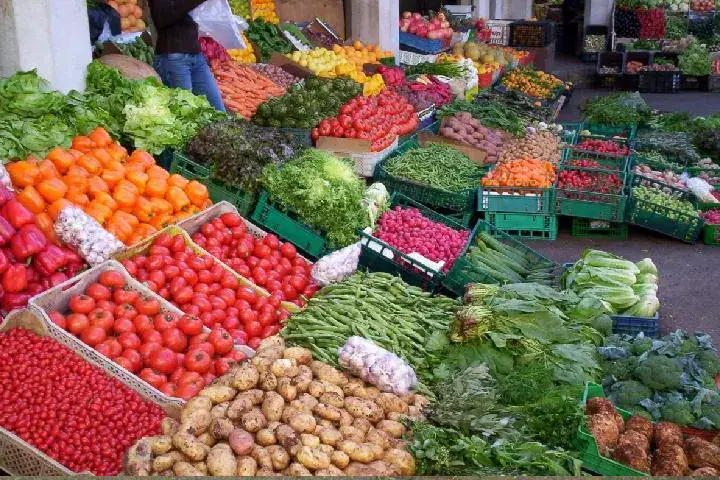
Moroccan households are finding it increasingly difficult to afford basic necessities due to the ongoing price hike in the country's markets. The surge in prices is affecting the purchasing power of families, with essential items such as vegetables and fruits experiencing record-high prices. This situation raises questions about the extent of consumer protection from market irregularities and the effectiveness of monitoring and distribution mechanisms.
Bouazza Khourati, head of the Moroccan University for Consumer Rights Protection, attributes the continued rise in agricultural product prices to various factors. These include the country's natural fluctuations in supply due to climate conditions and harvest seasons, as well as a decrease in the availability of traditional crops with the onset of autumn. Additionally, the global increase in fuel prices is negatively impacting transportation and logistics costs.
Khourati further explains that exports to the European market are subject to contractual obligations, requiring farmers and exporters to adhere to agreed-upon delivery dates and quantities. In contrast, exports to some African markets lack similar contractual controls, making them more susceptible to market fluctuations and national market trends. This, in turn, contributes to the rise in vegetable and fruit prices.
The head of the Moroccan University for Consumer Rights Protection suggests that a complete ban on exporting agricultural products to countries south of Morocco would deprive the country of marketing its surplus production and reduce its foreign currency earnings. Instead, he advocates for the organization of export operations. To address marketing irregularities, the Moroccan University for Consumer Rights Protection calls for the establishment of regional distribution companies.
The goal of these regional distribution companies is to reorganize the transfer of products from production areas to consumer markets, reducing the number of intermediaries that increase marketing costs. This, in turn, would narrow the gap between the price at which farmers sell their products and the price paid by the end consumer. Khourati also emphasizes the need for a more effective regulatory framework.
Khourati demands the creation of an authority or institution responsible for consumer affairs within the Moroccan market, similar to those in several other countries. This entity would be responsible for supply, monitoring, and control, as well as combating fraud and unfair practices that harm consumers and their health. The establishment of such an institution is seen as crucial in addressing the ongoing challenges in the country's markets.
The situation highlights the need for a comprehensive approach to address the complexities of Morocco's agricultural market. The government and relevant stakeholders must work together to implement effective solutions, ensuring that consumers have access to essential products at fair prices. The establishment of regional distribution companies and a consumer protection authority are key steps towards achieving this goal.
Key points
- The Moroccan University for Consumer Rights Protection calls for the establishment of regional distribution companies to reorganize the transfer of products from production areas to consumer markets.
- The creation of an authority or institution responsible for consumer affairs within the Moroccan market is seen as crucial in addressing the ongoing challenges in the country's markets.
- The surge in agricultural product prices is affecting the purchasing power of Moroccan families, with essential items such as vegetables and fruits experiencing record-high prices.