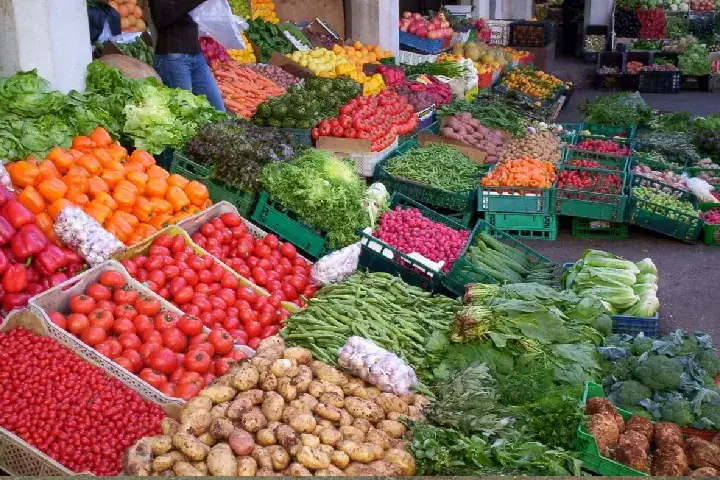
Moroccan households are finding it increasingly difficult to afford basic necessities due to the ongoing price surge in the country's markets. The significant increase in prices of essential goods, including vegetables and fruits, is affecting the purchasing power of families. This development has raised concerns about the ability of market regulation mechanisms to control the rising costs and protect consumers from market fluctuations.
Bouazza Khourati, head of the Moroccan University for Consumer Rights Protection, attributes the persistent high prices of agricultural products to various factors. These include the country's natural market fluctuations due to climate conditions and harvest seasons, reduced supply of traditional crops, and increased international fuel prices. Khourati also notes that the export of agricultural products to European markets is subject to contractual obligations, while exports to some African markets are more prone to market fluctuations.
The export of agricultural products to European markets is subject to contractual obligations that require farmers and exporters to respect agreed-upon delivery deadlines and quantities. In contrast, exports to some African markets are not subject to the same contractual controls, making them more susceptible to market opportunities and national market fluctuations. This, according to Khourati, contributes to the rising prices of vegetables and fruits.
Khourati suggests that a complete ban on exporting agricultural products to countries south of Morocco would deprive the country of marketing its production surplus and reduce its foreign currency earnings. Instead, he calls for the organization of export operations. The Moroccan University for Consumer Rights Protection has also advocated for the establishment of regional distribution companies to reorganize the transfer of products from production areas to consumer markets.
The goal of establishing regional distribution companies is to limit the multiple layers of intermediation that increase marketing costs and widen the gap between the price farmers receive for their products and the price paid by the final consumer. Khourati also emphasizes the need for a regulatory body to oversee consumer protection in Morocco, similar to those in other countries, to ensure food supply, monitoring, and control of weights and measures.
The establishment of a consumer protection agency would help combat unfair practices that harm consumers and their health. Khourati stresses that such an agency would play a crucial role in regulating the market and protecting consumers from exploitation. The Moroccan University for Consumer Rights Protection continues to advocate for measures to address the rising cost of living and protect consumers.
The ongoing price hikes have significant implications for Moroccan households, particularly those with limited incomes. The situation calls for effective measures to regulate the market, control prices, and ensure that consumers have access to essential goods at affordable prices. The government and relevant authorities must work together to address the root causes of the price surge and find sustainable solutions to mitigate its impact on households.
Key points
- The Moroccan University for Consumer Rights Protection has called for the establishment of regional distribution companies to reorganize the transfer of products from production areas to consumer markets.