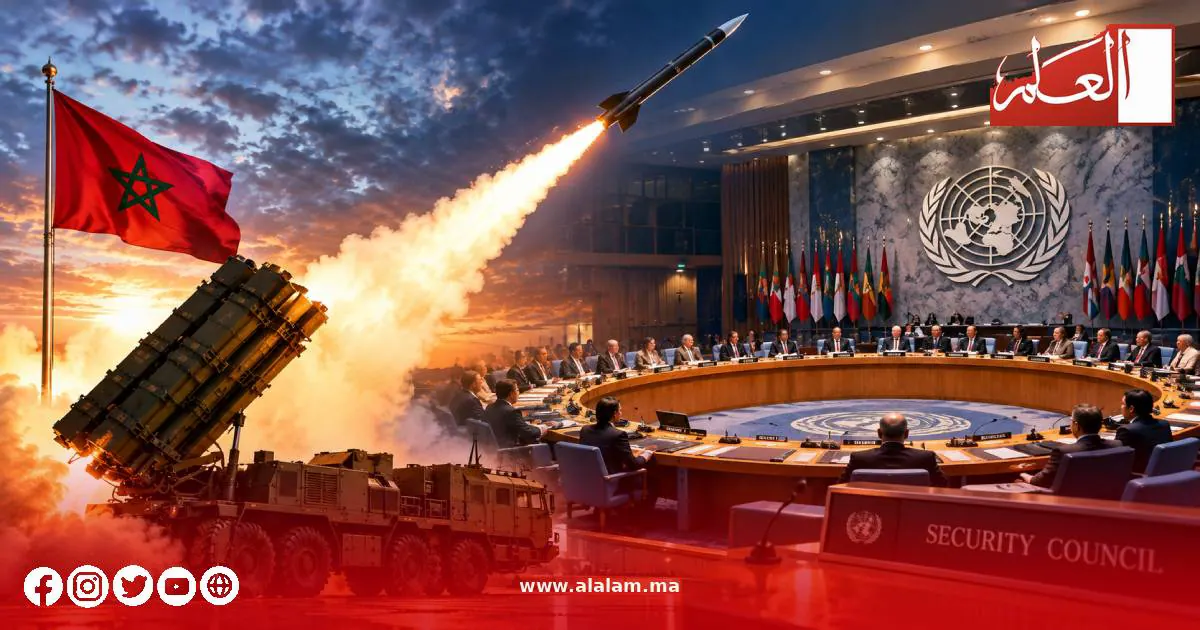
Morocco has announced its candidacy for a non-permanent seat on the UN Security Council for the 2028-2029 term. The country's Foreign Minister, Nasser Bourita, officially declared the bid in New York, emphasizing Morocco's commitment to contributing to international peace and security, promoting multilateralism, and respecting sovereignty and territorial integrity. This marks Morocco's fourth bid for a seat on the Security Council.
Morocco is not a newcomer to the UN Security Council, having previously served three terms: 1963-1964, 1992-1993, and 2012-2013. In contrast, Libya has two previous terms. The African Union has recorded Morocco and Libya as candidates for the North Africa seat, urging regional countries to consult and agree on a single candidate. This sets the stage for a competitive bid between the two nations.
The Arab League has expressed support for Morocco's candidacy, with the 34th Arab Summit in Baghdad in May 2025 endorsing Morocco's bid and urging member states to lobby for its support. However, Libya has also launched its campaign, emphasizing its desire to represent Africa, the Arab world, and contribute to peace and security issues. This raises questions about the motivations behind Libya's decision to proceed with its bid despite the Arab League's endorsement of Morocco.
Libya's decision to run may be influenced by its own internal challenges. The country is still recovering from years of conflict and division, with the UN overseeing a political roadmap aimed at unifying institutions and preparing for national elections. Morocco, on the other hand, has a track record of stability and experience in the Security Council, as well as a significant presence in UN peacekeeping operations.
Morocco's experience in peacekeeping is a significant aspect of its bid. As of January 2026, Morocco contributed 1334 military and police personnel to UN operations, ranking ninth globally among countries providing uniformed personnel. This demonstrates Morocco's commitment to peace and security, with a tangible presence on the ground.
Morocco's return to the African Union in 2017 has also enhanced its credentials. Since then, the country has strengthened its presence in regional and international organizations, fostering partnerships and cooperation with other African nations. This renewed engagement has positioned Morocco as a key player in African and international affairs.
The competition between Morocco and Libya will ultimately be decided by the UN General Assembly. The outcome will depend on the candidates' ability to garner support from other nations, with a successful bid requiring a broad coalition of votes. As the campaign unfolds, both countries will need to articulate their vision and strengths to secure the support of the international community.
Key points
- Morocco's experience in peacekeeping and its Arab League endorsement are key strengths in its bid for a non-permanent seat on the UN Security Council.