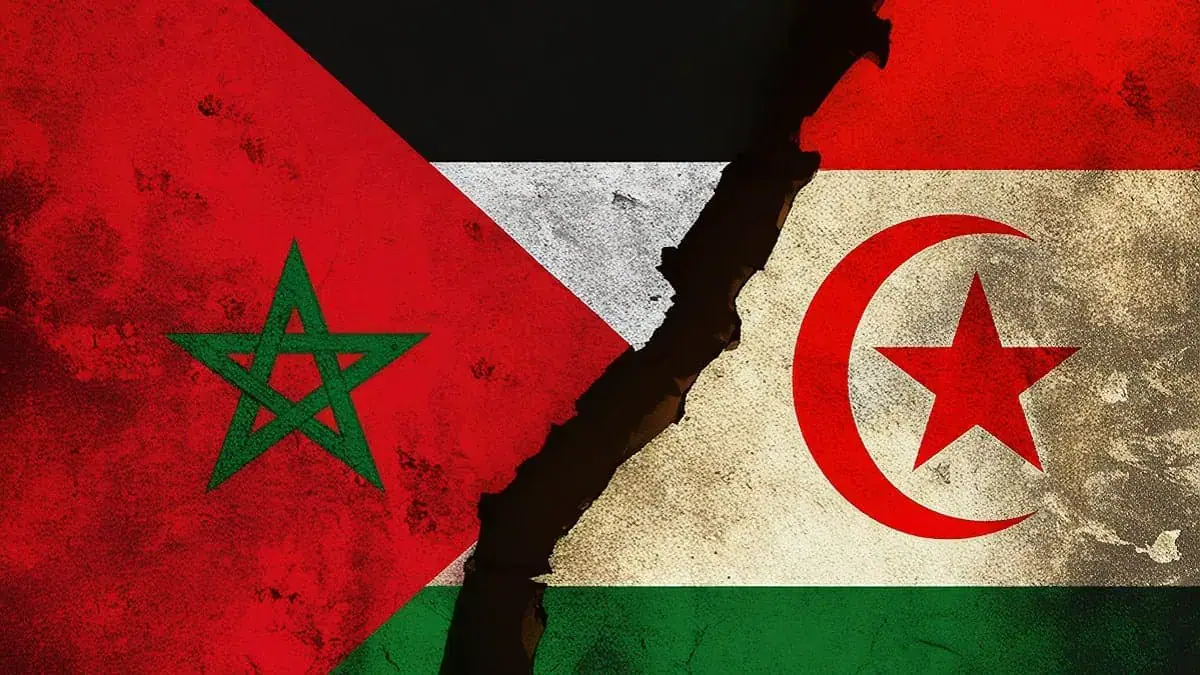
The Moroccan government's efforts to gain international recognition of its sovereignty over Western Sahara have been met with significant resistance. According to a recent development, Russia vetoed a US resolution that would have imposed Morocco's autonomy plan for the disputed territory. This move has been seen as a major setback for Morocco, which had heavily invested in the plan, including through its normalization agreements with Israel.
The Moroccan government's decision to pursue the autonomy plan was made in 2020, with the support of then-US President Donald Trump. The plan was seen as a key component of Morocco's strategy to gain international recognition of its sovereignty over Western Sahara. However, the plan has been widely criticized by many countries, including Algeria, which has long supported the Sahrawi people's right to self-determination.
The Russian veto has highlighted the challenges faced by Morocco in its efforts to gain international recognition of its sovereignty over Western Sahara. The move has also underscored the importance of the international community's role in resolving the conflict. According to Algerian diplomacy, no country can grant sovereignty over a territory that it does not possess.
The Moroccan government's efforts to gain international recognition of its sovereignty over Western Sahara have also been criticized for their perceived closeness to Israel. The normalization agreements between Morocco and Israel, which were facilitated by the US, have been seen as a significant shift in Morocco's foreign policy. However, the agreements have also been criticized by many in Morocco, who see them as a betrayal of the Palestinian cause.
The international community's response to Morocco's efforts to gain sovereignty over Western Sahara has been mixed. While some countries, including the US and France, have expressed support for Morocco's position, others have called for a more nuanced approach to the conflict. The UN has long maintained that the conflict should be resolved through a referendum, which would allow the Sahrawi people to determine their own future.
The Russian veto has also highlighted the divisions within the international community on the issue of Western Sahara. The move has been seen as a significant challenge to US influence in the region and has underscored the importance of multilateralism in resolving international conflicts. According to Algerian Foreign Minister Ahmed Attaf, the international community should prioritize the rights of the Sahrawi people.
The outcome of Morocco's efforts to gain sovereignty over Western Sahara has significant implications for the region. The rejection of Morocco's autonomy plan has highlighted the need for a more inclusive and sustainable solution to the conflict. The international community is expected to continue playing a key role in resolving the conflict, with many countries calling for a peaceful and negotiated solution that prioritizes the rights of the Sahrawi people.
Key points
- Morocco's efforts to gain sovereignty over Western Sahara have been rejected by the international community.
- The Russian veto has highlighted the challenges faced by Morocco in its efforts to gain international recognition.
- The international community has called for a more nuanced approach to the conflict, prioritizing the rights of the Sahrawi people.