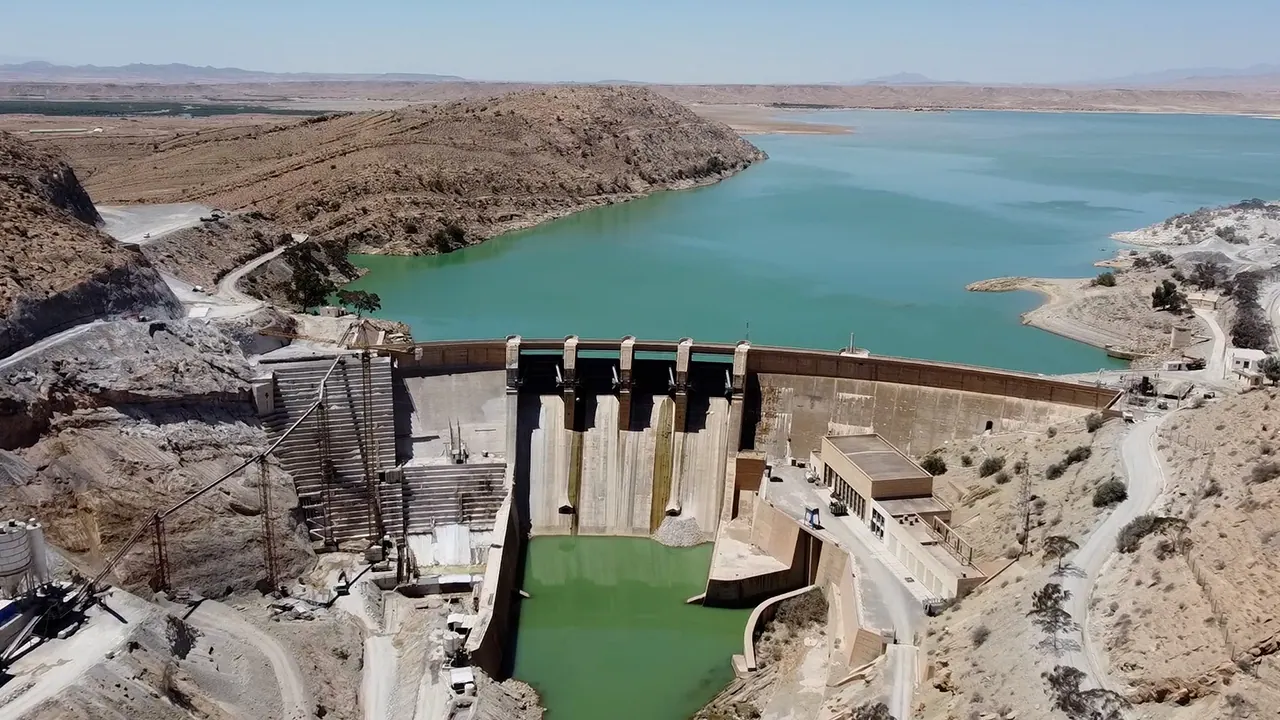
As of October 5, 2026, Morocco's major dams have shown mixed trends in their water resources. According to data published by "Alma Dyalna," a notable increase was recorded in the water imports of some dams, while others experienced a decline. This development reflects the varying fortunes of the country's water storage facilities. The situation is being closely monitored by relevant authorities.
In the Rashaida region, the Al-Hassan Al-Dakhili dam topped the list of dams that recorded an increase in water imports. The dam's water imports stood at 2.8 million cubic meters, raising the filling rate to 54.8 percent. Meanwhile, in the Eastern region, the Mohammed V dam recorded water imports of approximately 1.39 million cubic meters, increasing the filling rate to 22.6 percent. These improvements indicate a positive trend in the water resources of these dams.
Conversely, some dams experienced a decline in their water resources. The Al-Wahda dam in the Tawnate region recorded a decrease of 3.17 million cubic meters in its water imports, with the filling rate stabilizing at 80.8 percent. Similarly, the Bin Al-Widan dam in the Azilal region saw a decline of 1.33 million cubic meters, with the filling rate standing at 79.4 percent. These decreases highlight the challenges faced by these dams.
The varied trends in the water resources of Morocco's major dams underscore the complexities of managing the country's water supply. The fluctuations in water imports and filling rates can be attributed to various factors, including rainfall patterns and water management practices. Understanding these dynamics is crucial for effective water resource management.
The data published by "Alma Dyalna" provides valuable insights into the current state of Morocco's water resources. By monitoring the trends in the country's major dams, authorities can make informed decisions about water allocation and management. This information is particularly important for ensuring a stable water supply for various sectors, including agriculture, industry, and households.
The mixed trends in Morocco's dam water resources also highlight the need for continued investment in water infrastructure and management. By upgrading existing facilities and implementing efficient water management practices, the country can mitigate the impacts of fluctuations in water resources. This proactive approach can help ensure a more sustainable and resilient water supply.
In conclusion, the water resources in Morocco's major dams are exhibiting mixed trends, with some dams recording increases and others experiencing decreases. As the country continues to monitor and manage its water resources, it is essential to consider the complexities and challenges involved. By adopting a comprehensive and sustainable approach to water management, Morocco can work towards ensuring a stable and reliable water supply for its growing population and economy.
Key points
- Water imports in Morocco's Al-Hassan Al-Dakhili dam increased to 2.8 million cubic meters, raising the filling rate to 54.8 percent.
- The Al-Wahda dam in Tawnate region recorded a decrease of 3.17 million cubic meters in its water imports.
- Morocco's major dams show varied changes in water levels as of October 5, 2026.