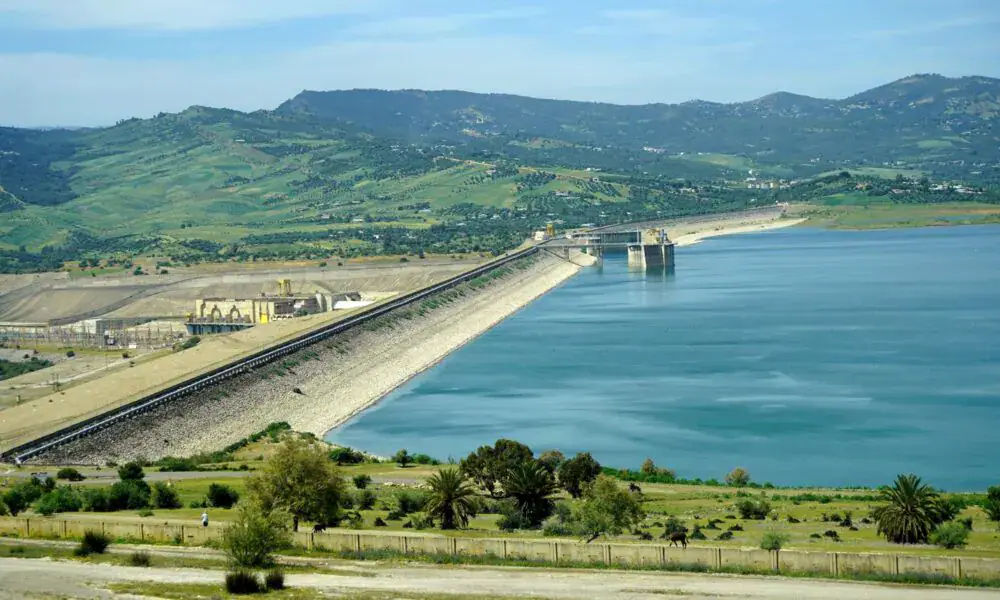
Morocco's water situation has shown significant improvement, with water reservoirs reaching 66.2% capacity, according to Nizar Baraka, Minister of Equipment, Water, and Forests. The country's water reserves now stand at 11.2 billion cubic meters, a substantial increase from previous years. This development has ensured a secure water supply for at least two years, and potentially longer in some regions.
The improvement in water reserves is attributed to increased rainfall, with 1.2 billion cubic meters of water recorded in the country's dams since September, compared to 340 million cubic meters during the same period last year. This surge in water supply has been achieved despite Morocco's history of drought and extreme weather conditions. The government has been working to adapt its water management policies to address these challenges.
To address the challenges posed by climate change and ensure sustainable water security, the Moroccan government is developing a national water security strategy up to 2050. The strategy focuses on strengthening the country's ability to anticipate and adapt to climate change impacts while securing water access for populations and economic activities. The plan includes constructing new dams, accelerating ongoing projects, and developing interconnections between different hydraulic basins.
The strategy also involves desalinating seawater and reusing treated wastewater to increase the country's water resources. Additionally, the government aims to rationalize water consumption and improve the performance of water distribution networks to minimize losses and optimize resource utilization. These efforts are crucial in ensuring Morocco's water security and mitigating the effects of drought and climate change.
In addition to managing water resources, the government is taking measures to prevent flood risks. The "Vigicrues" system has been deployed to monitor water courses and anticipate flood episodes, enabling early warnings to be sent to communities at risk. The system can provide alerts up to three days before a potential flood, allowing for timely evacuations and preparations.
The government is also working to improve flood prevention and warning systems, including sending SMS messages to residents in high-risk areas and providing daily weather bulletins to local authorities. These measures aim to enhance the country's ability to anticipate and respond to flood risks, reducing the impact on communities and infrastructure.
Furthermore, the government is developing a new atlas of flood-prone areas to identify and address emerging risks. This initiative involves coordinating with urban planning authorities to prevent new constructions in high-risk zones. By taking proactive measures, Morocco aims to reduce its vulnerability to floods and ensure a more sustainable and secure water future.
Key points
- Morocco's water reservoirs have reached 66.2% capacity, with 11.2 billion cubic meters of water.
- The government is developing a national water security strategy up to 2050 to address climate change and ensure sustainable water security.
- Measures are being taken to prevent flood risks, including the deployment of the "Vigicrues" system and improved warning systems.
Reporting sources
- Barrages : Un taux de remplissage de 66,2 % · La Vie Éco