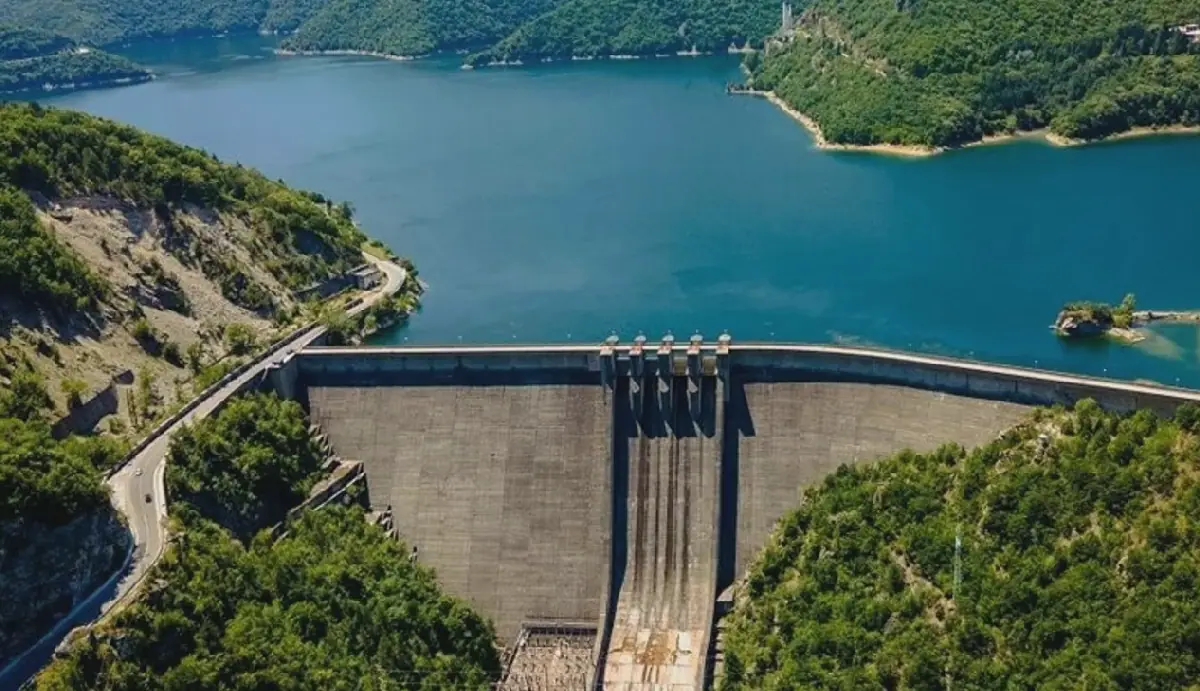
Morocco's water reservoirs have reached a significant milestone, with 11.28 billion cubic meters of water stored, representing 66.27% capacity as of November 15, 2026. This marks a substantial improvement from the same period last year, when reservoirs were at 31% capacity. The country's water policy has made significant strides, with investments in dam construction, water desalination, and international financing.
Despite the positive trend, experts warn that complacency is not warranted. The national average of 66% capacity masks regional disparities, with some areas still struggling with low water levels. The Souss-Massa region, for example, has seen a significant improvement, rising to 53% capacity, but still has a long way to go. The country's water management strategy must take into account the uneven distribution of water resources.
The Moroccan government has launched a major desalination program, with a plan to produce over 1.3 billion cubic meters of desalinated water per year by 2030. The project, worth 42.1 billion dirhams, aims to meet 63% of the country's drinking water needs. The Casablanca desalination plant, with a capacity of 300 million cubic meters, is expected to be operational by February 1, 2027.
However, concerns have been raised about the project's feasibility, particularly regarding the financing model, which relies heavily on private sector investment. The project's environmental impact has also been questioned, as desalination plants consume significant amounts of energy and produce brine. The government must ensure that the project is implemented in an environmentally sustainable manner.
In addition to desalination, the Moroccan government is investing in dam construction and water conservation measures. Sixteen major dam projects are currently underway, with an investment of 29.5 billion dirhams. The government aims to increase the country's water storage capacity to 24 billion cubic meters by the end of 2027.
The agricultural sector, which accounts for the bulk of the country's water consumption, is also being targeted for water-saving measures. The government has promoted the use of drip irrigation, which has modernized thousands of farms. However, experts warn that more needs to be done to reduce water consumption in the sector.
Morocco has secured significant international funding for its water projects, including a 434.4 million euro agreement with the African Development Bank. However, experts stress that resilience to droughts and climate change requires more than just financial investment. It requires a coordinated effort to maintain water networks, improve water management, and promote water conservation.
Key points
- Morocco's water reservoirs have reached 66.27% capacity, but regional disparities and climate change remain significant challenges.
- The country's desalination program aims to produce over 1.3 billion cubic meters of desalinated water per year by 2030.
- Experts stress that resilience to droughts and climate change requires a coordinated effort to maintain water networks, improve water management, and promote water conservation.