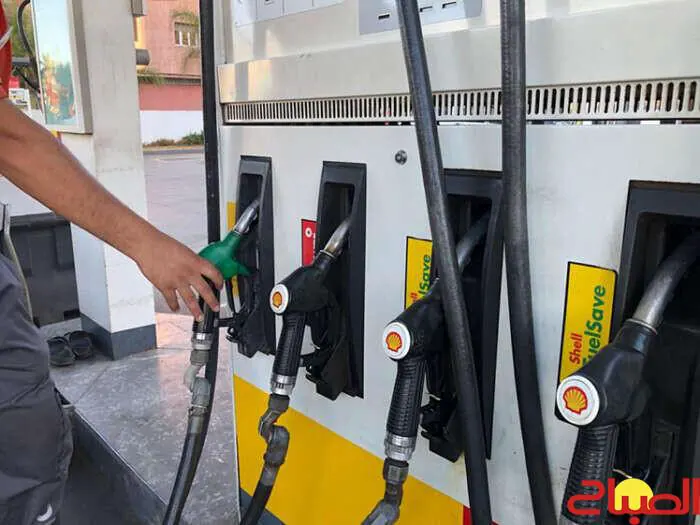
Morocco's trade balance has been significantly impacted by a substantial increase in fuel imports. According to recent data, the country's fuel import bill has exceeded MAD 81 billion. This surge in imports has resulted in a notable increase in the energy bill, rising by 23.5% compared to previous periods. The substantial rise in fuel costs has put pressure on Morocco's trade balance.
The country's reliance on imported fuel has long been a concern for policymakers. With the global energy landscape continually evolving, Morocco's vulnerability to fluctuations in international fuel prices remains a challenge. Efforts to diversify the country's energy mix and invest in renewable energy sources are underway, but the impact of these initiatives on the trade balance remains to be seen.
The increase in fuel imports has contributed to a widening of the trade deficit. Morocco's trade balance has historically been a concern, with the country relying heavily on imports to meet domestic demand. The government's efforts to promote exports and reduce imports are ongoing, but progress has been slow. The recent surge in fuel imports has added to the challenge.
The impact of the increased fuel import bill on the broader economy is being closely monitored. Inflationary pressures and potential effects on economic growth are being assessed by policymakers. The government is exploring strategies to mitigate the effects of the increased fuel costs on the economy and trade balance.
Morocco's energy sector is undergoing significant changes, with a focus on increasing the share of renewable energy in the energy mix. The country aims to generate 42% of its electricity from renewable sources by 2025. Progress toward this goal is being made, but the impact on the trade balance will depend on various factors, including global energy trends.
The government's efforts to address the challenges facing the trade balance are multifaceted. Initiatives to promote exports, reduce imports, and invest in renewable energy are being implemented. However, the effectiveness of these measures in addressing the trade balance challenges remains to be seen. Ongoing monitoring and evaluation of the impact of these initiatives are essential.
The trade balance remains a critical aspect of Morocco's economic landscape. The country's ability to manage the challenges posed by increased fuel imports and develop a more diversified economy will be crucial in addressing the trade balance concerns. Policymakers continue to grapple with these issues, seeking solutions to promote sustainable economic growth.
Key points
- Morocco's fuel import bill has exceeded MAD 81 billion, contributing to a widening trade deficit.
- The energy bill has increased by 23.5% compared to previous periods.
- The government aims to generate 42% of its electricity from renewable sources by 2025.