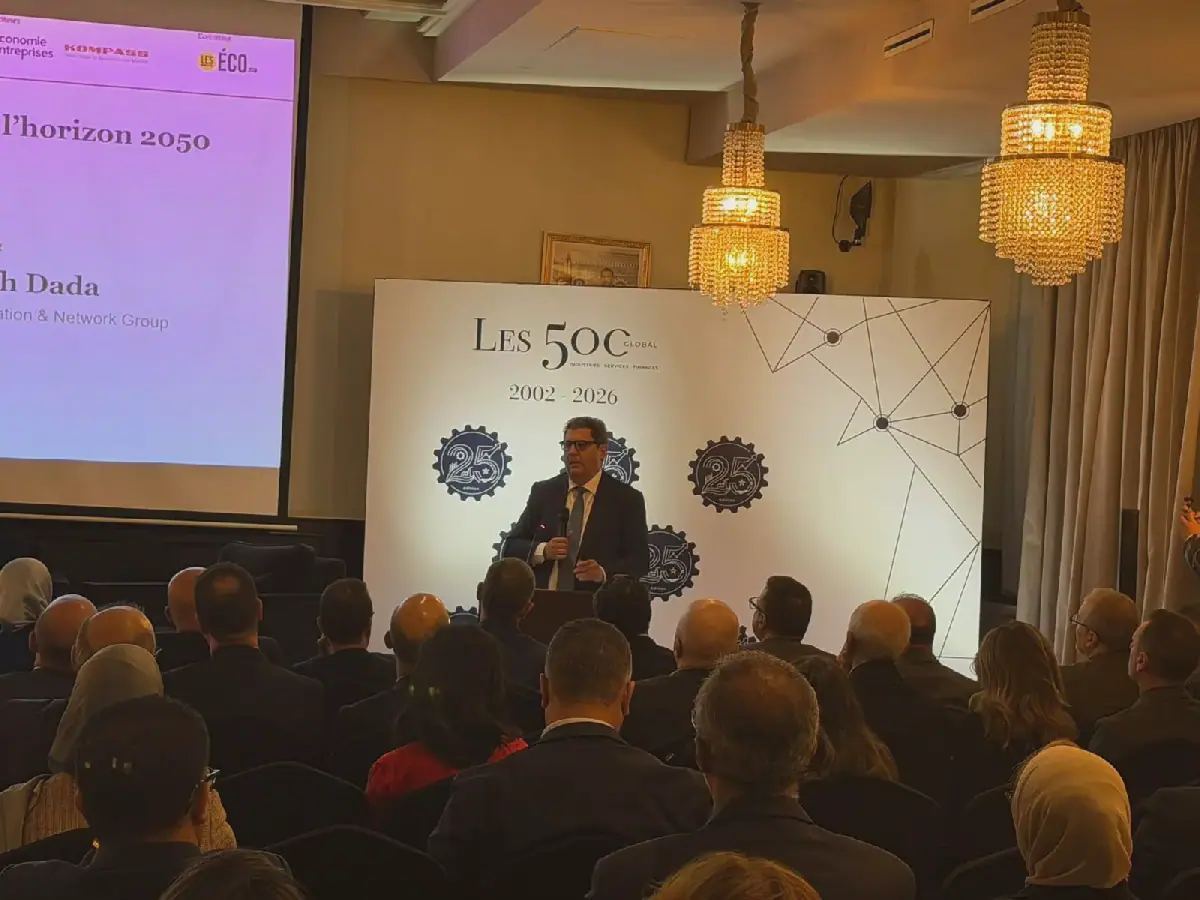
Over the past 25 years, Morocco's economy has undergone significant changes, shifting from a focus on infrastructure development to one of productivity, technology, and internationalization. The country's GDP growth rate has averaged 3.8% per annum, with a notable slowdown in recent years. According to Tarik El Fekkak, Partner – Consulting at Forvis Mazars, the period between 2001 and 2008 was marked by rapid growth, with the economy expanding at an average rate of 5.1% per year. This growth was driven by large-scale investments in infrastructure, including the construction of highways, ports, and industrial platforms.
The second period, from 2009 to 2019, saw a normalization of growth, with the economy expanding at an average rate of 3.7% per year. Despite this, the investment rate remained high, averaging 30.4%. The economy began to diversify, with the emergence of new sectors such as automotive, aerospace, and renewable energy. However, the diffusion of productivity gains to small and medium-sized enterprises, employment, and the broader productive sector remained limited. The third period, from 2020 to 2025, was marked by the COVID-19 pandemic, which led to a decline in economic activity before a rebound and normalization.
The cumulative turnover of Morocco's top 500 companies has increased significantly over the past 25 years, rising from 292 billion dirhams in 2002 to 1.14 trillion dirhams in 2025. This growth reflects a shift in the center of gravity of the Moroccan economy, with large companies increasingly driving growth and investment. The sectors that have contributed most to this growth include automotive, aerospace, phosphates, logistics, and telecommunications. The automotive sector, in particular, has seen significant growth, with its share of the top 500's turnover increasing from 0.7% in 2001 to 9.8% in 2025.
The growth of Morocco's large companies has been driven by a range of factors, including investment in infrastructure, the emergence of new sectors, and the development of industrial ecosystems. The country's logistics sector has also undergone significant transformation, with the volume of goods handled by ports and logistics platforms increasing from 4.8 million EVP in 2019 to 11.1 million in 2025. The tourism sector has also seen significant growth, with tourist arrivals increasing from 7.9 million in 2008 to 17.4 million in 2024.
Despite the significant growth of Morocco's large companies, there are concerns about the volatility of their performance. Between 2002 and 2008, the top 500 companies grew at a rate of 12%, compared to 4.9% for the broader economy. However, this growth has been accompanied by increased volatility, with the turnover of large companies being around three times more volatile than GDP. This volatility reflects the exposure of large companies to global economic trends and the impact of investment and demand fluctuations.
The growth of Morocco's large companies has also been driven by the emergence of new champions and the expansion of existing ones. The country's largest companies are increasingly driving growth and investment, both domestically and internationally. However, there are concerns about the limited diffusion of productivity gains to small and medium-sized enterprises and the broader economy. To address this, the Moroccan government has launched initiatives aimed at promoting entrepreneurship, innovation, and investment in key sectors.
Looking ahead, the next 25 years will be critical for Morocco's large companies, as they seek to navigate a rapidly changing global economic landscape. The key to success will be the ability to adapt to new technologies, invest in human capital, and develop new sectors and industries. With the right policies and strategies in place, Morocco's large companies can continue to drive growth and investment, both domestically and internationally.
Key points
- Morocco's top 500 companies have undergone significant transformation over the past 25 years, driven by changes in the national economy, investment, and technological advancements.
- The growth of Morocco's large companies has been driven by a range of factors, including investment in infrastructure, the emergence of new sectors, and the development of industrial ecosystems.
- Despite the significant growth of Morocco's large companies, there are concerns about the volatility of their performance and the limited diffusion of productivity gains to small and medium-sized enterprises and the broader economy.