Morocco's tobacco distribution sector is undergoing substantial transformations, marked by the entry of new commercial players and changes in distribution channels. The government is also tightening tax controls and digitalizing commercial transactions. Recently, MRF Holding (Morocco Retail Firm) announced a exclusive distribution agreement with Nibrooo, a brand linked to Moroccan artist El Grande Toto. This development has raised questions about its impact on the distribution chain, particularly on small tobacco retailers.
The agreement between MRF Holding and Nibrooo involves the distribution of Nibrooo's products, including rolling paper, alongside other brands like Al Fakher and Manchester. This move reflects a new commercial dynamic within the tobacco market, as distribution companies aim to expand their product portfolios and strengthen their commercial presence. However, the key question is whether small retailers will benefit from the expansion of major players and the proliferation of brands.
The economic situation of small tobacco retailers, known as "mol sakka," remains a concern due to limited profit margins and rising operating costs. Despite the competition among companies to expand their commercial networks and attract new brands, the situation of small retailers remains precarious. They face numerous challenges, including high rental costs, electricity bills, inventory expenses, and daily operating costs, in addition to administrative and tax obligations.
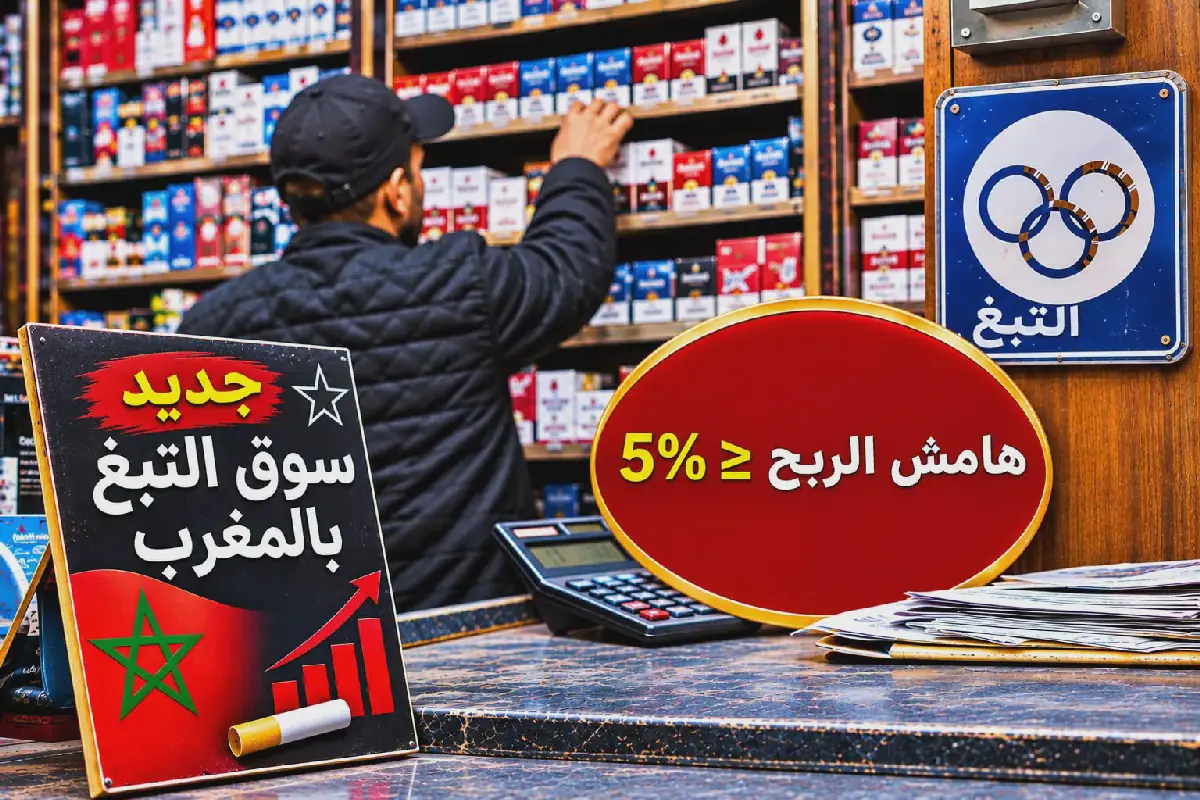
Small retailers have expressed concerns about the limited profit margins offered by distribution companies, which range from 5%. This has sparked questions about the fairness of these margins, considering the increasing costs faced by retailers, particularly with the shift towards digital payment and tax changes. The debate has intensified following a reduction in profit margins by one of the tobacco distribution companies, from 6% to 5%, which has sparked protests among professionals.
The relationship between distributors and small retailers is under scrutiny, with retailers arguing that the reduction in profit margins, coupled with rising costs, affects their profitability. They question the criteria used to determine these margins and whether they take into account the burdens faced by small retailers. This situation raises concerns about the nature of competition among distribution companies and its impact on improving conditions for small retailers.
The Moroccan government's efforts to modernize the economy, combat tax evasion, and expand the tax base are also affecting small retailers. The transition to digital payment and the requirement to invest in payment devices and internet services have added to the costs faced by retailers. These costs, although seemingly limited, can cumulatively impact profitability, particularly in a business with narrow profit margins.
The entry of new players into Morocco's tobacco distribution market raises broader questions about the distribution of commercial value among stakeholders. While the expansion of commercial networks and brands may stimulate the market, it does not automatically guarantee improved conditions for small retailers. The impact on small businesses will depend on the commercial terms adopted, the margins granted to retailers, and the level of effective competition that benefits them.
Key points
- The impact of new entrants in Morocco's tobacco market on small retailers remains uncertain.
- Small tobacco retailers face significant challenges, including limited profit margins and rising operating costs.
- The Moroccan government's efforts to modernize the economy and combat tax evasion are affecting small retailers.