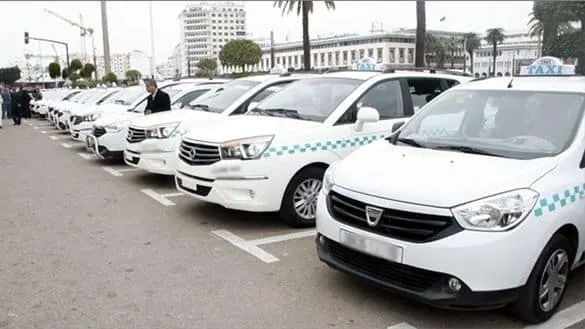
Morocco's taxi sector is experiencing a severe crisis due to a sharp increase in fuel prices. According to industry sources, the surge in fuel costs has significantly impacted the daily earnings of professional taxi drivers. The price hikes have added substantial daily expenses, ranging between 100 and 150 dirhams, on top of existing financial burdens. This has resulted in a sharp decline in drivers' incomes, making it difficult for them to cover their families' expenses.
The sector's woes are compounded by additional financial pressures, including high insurance premiums, technical inspection fees, and rising costs of spare parts and lubricants. Industry sources highlight the struggles of taxi drivers, who are now facing mounting financial difficulties. The situation has become increasingly challenging, with drivers struggling to make ends meet.
The government's fuel subsidy program has been criticized for being irregular, delayed, and prone to manipulation. Sources argue that this program fails to provide adequate protection for taxi drivers, leaving them vulnerable to the fluctuations in fuel prices. The current subsidy system has been deemed inadequate, and drivers are calling for a more effective and reliable support mechanism.
In response to the crisis, industry stakeholders are urging the government to implement urgent and concrete solutions. A key demand is the introduction of a subsidized "professional fuel" specifically for the transportation sector. This, they argue, would help alleviate the economic strain on taxi drivers and prevent the sector from collapsing.
The crisis has significant implications for the livelihoods of thousands of taxi drivers and their families. With fuel prices showing no signs of decreasing, the sector's future remains uncertain. Industry sources emphasize the need for swift government action to address the crisis and prevent further economic hardship for those employed in the sector.
The Moroccan government's response to the crisis will be closely watched by industry stakeholders and the general public. With the sector on the brink of collapse, the need for effective solutions has become increasingly pressing. The introduction of a subsidized fuel program for the transportation sector is seen as a vital step towards mitigating the crisis.
As the situation continues to unfold, taxi drivers in Morocco are facing an uncertain future. The sector's crisis has highlighted the need for a more sustainable and reliable fuel pricing mechanism. With industry stakeholders calling for urgent action, the government's response will be crucial in determining the sector's future.
Key points
- Morocco's taxi sector is facing a severe crisis due to soaring fuel prices.
- Industry stakeholders are calling for the introduction of a subsidized "professional fuel" for the transportation sector.
- The crisis has significant implications for the livelihoods of thousands of taxi drivers and their families.