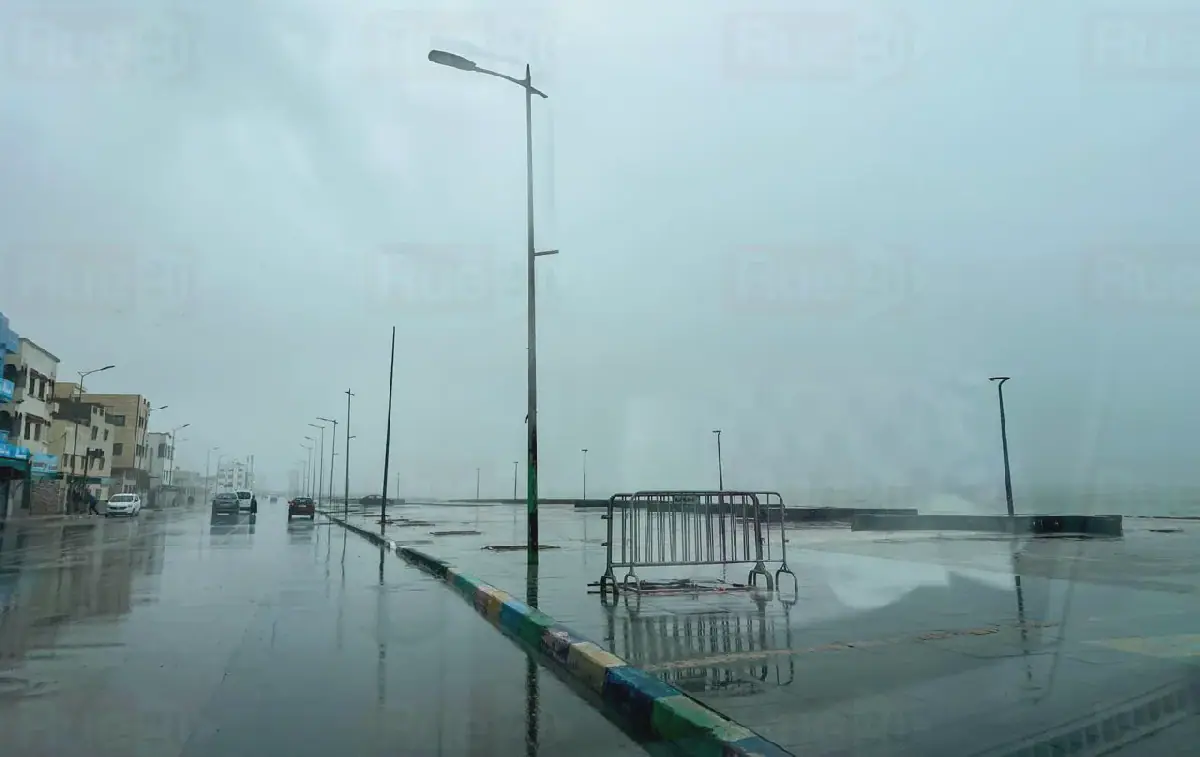
The Regional Directorate of Education in Tétouan, Morocco, announced on November 10, 2026, that it would suspend classes in rural schools on November 11, 2026, due to anticipated bad weather in the region. This decision was made following a weather alert and recommendations from the Regional Vigilance Cell. The move aims to ensure the safety of educational staff, administrators, students, and pupils.
According to the directorate's statement, the suspension of classes will apply to all educational institutions in rural areas of Tétouan on November 11, 2026. However, in urban areas, classes will only be suspended during the evening of the same day. This measure is part of precautionary efforts to avoid potential risks associated with the forecasted weather conditions and to guarantee the safety of learners and staff at educational institutions.
The decision to suspend classes was made in response to a weather alert issued for the Tétouan region. The Regional Vigilance Cell, which monitors weather conditions and advises on necessary precautions, recommended that the education authorities take this step to ensure public safety. As a result, the Regional Directorate of Education decided to prioritize the well-being of students and staff by temporarily closing schools.
The suspension of classes in Tétouan's rural areas will likely affect a significant number of students and educational staff. While the exact number of schools and students impacted is not specified, the decision highlights the importance of prioritizing safety during adverse weather conditions. By taking proactive measures, the authorities aim to minimize potential risks and ensure that students and staff can return to their educational activities once the weather improves.
Morocco's education authorities regularly take steps to address various challenges, including those related to weather conditions. In this case, the decision to suspend classes demonstrates the authorities' commitment to providing a safe learning environment. The move also underscores the importance of flexibility in educational planning to accommodate unforeseen circumstances such as bad weather.
Educational institutions in Morocco, like those in many countries, often have contingency plans in place to deal with unexpected events, including severe weather. These plans typically involve coordination between local authorities, educational administrators, and other stakeholders to ensure that students and staff are safe and that educational activities can continue with minimal disruption.
The situation in Tétouan serves as a reminder of the need for preparedness and adaptability in the face of changing weather conditions. As the region prepares for the potential impact of bad weather, residents and educational authorities will be monitoring the situation closely and taking necessary precautions to ensure public safety.
Key points
- Schools in rural areas of Morocco's Tétouan region will be closed on November 11, 2026, due to forecasted bad weather.