Morocco's Sahara region is undergoing a quiet transformation, driven by the country's diplomatic efforts and strategic maneuvering. The Moroccan government, led by King Mohammed VI, has been working to redefine the region's dynamics, both domestically and internationally. This shift is characterized by a combination of diplomatic initiatives, economic development, and a reassertion of Moroccan sovereignty over the disputed territories.
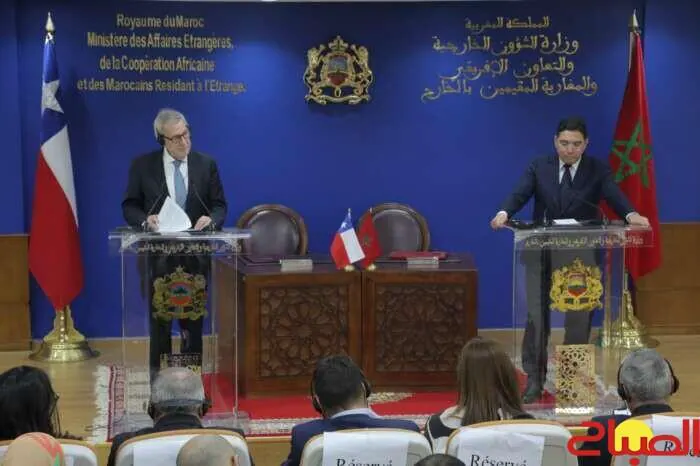
The transformation of Morocco's Sahara region is part of a broader strategy to promote stability and security in the area. The Moroccan government has been engaging with various international partners, including the United States, to strengthen its position on the Sahara issue. This diplomatic effort has led to increased cooperation and a growing recognition of Morocco's claims to the region.
A key aspect of Morocco's strategy is its focus on economic development in the Sahara region. The government has invested heavily in infrastructure projects, including roads, ports, and renewable energy facilities. These initiatives aim to improve living standards, create jobs, and stimulate economic growth in the region. By promoting economic development, Morocco seeks to build a more stable and prosperous future for the Sahara.
The shift in Morocco's Sahara policy has also been influenced by the country's historical and cultural ties to the region. The Moroccan monarchy has long claimed sovereignty over the Sahara, and the current government has reaffirmed its commitment to defending the country's territorial integrity. This commitment is reflected in the government's diplomatic efforts and its engagement with international partners.
The Polisario Front, a separatist group that has long claimed independence for the Sahara, is facing internal divisions and challenges. The group's leadership is under pressure, and its ability to mobilize support is waning. Morocco's diplomatic efforts and economic development initiatives have contributed to this shift, making it increasingly difficult for the Polisario Front to maintain its separatist agenda.
Morocco's Sahara policy has also been shaped by its relationships with other countries in the region. The government has sought to build alliances and strengthen ties with countries in Africa and the Middle East. This regional engagement has helped Morocco to promote its interests and build support for its position on the Sahara issue.
As Morocco continues to navigate the complexities of the Sahara issue, the country's leaders remain committed to finding a peaceful and sustainable solution. The government's strategy, driven by King Mohammed VI, aims to promote stability, security, and economic development in the region. While challenges remain, Morocco's efforts have created a new dynamic in the Sahara, one that is characterized by increased cooperation and a growing recognition of Moroccan sovereignty.
Key points
- Morocco's diplomatic efforts and economic development initiatives are transforming the country's Sahara region.
- The Polisario Front is facing internal divisions and challenges, weakening its separatist agenda.
- Morocco's Sahara policy is driven by the country's commitment to defending its territorial integrity and promoting regional stability.