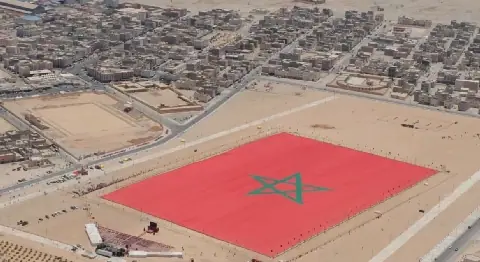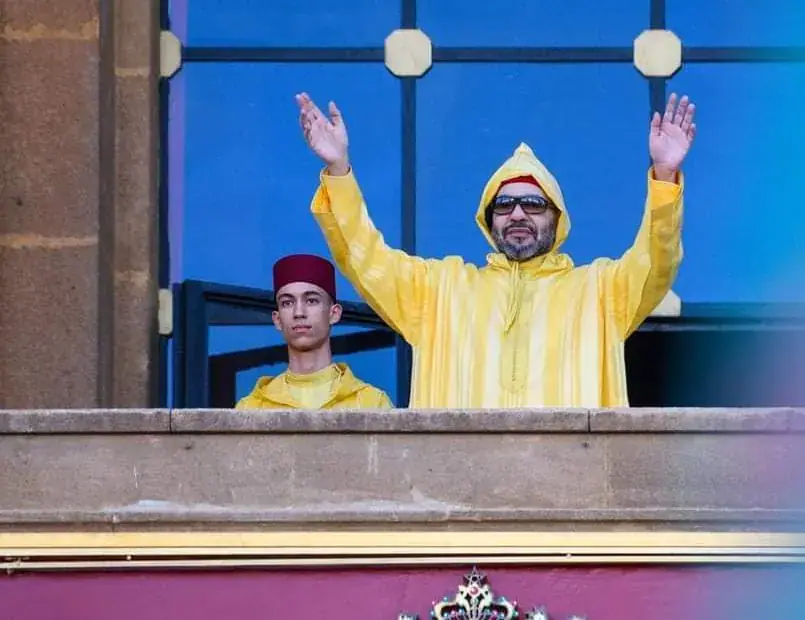
The Moroccan Royal Diwan issued a statement on October 30, 2026, expressing the country's satisfaction with the United Nations Security Council's decision not to renew the mandate of the MINURSO peacekeeping mission. This move is seen as a major turning point in the Western Sahara issue, marking the beginning of the end of the MINURSO mission's 35-year presence in the region. The decision is considered a significant shift in the international approach to the issue.
The Royal Diwan's statement noted that the non-renewal of MINURSO's mandate is a crucial step towards the final resolution of the Western Sahara issue within the United Nations. This development is seen as a radical departure from the previous approach and marks a new era under the leadership of King Mohammed VI. The statement also highlighted the timing of the decision, which coincides with the celebration of "Unity Day," a national holiday established by the King to commemorate Morocco's unity and sovereignty.
The MINURSO mission was established in 1991 to monitor the ceasefire in Western Sahara and facilitate the implementation of a settlement plan. The mission's mandate had been renewed annually, but this year's decision not to renew it marks a significant change. According to the Royal Diwan, the non-renewal of MINURSO's mandate means that the mission's personnel, vehicles, equipment, and symbols will be withdrawn from the region in the coming days.
The decision not to renew MINURSO's mandate has significant implications for the Western Sahara issue. It marks the end of the international community's involvement in the issue through the UN Security Council and shifts the focus to bilateral and regional initiatives. The Royal Diwan's statement emphasized Morocco's commitment to a peaceful resolution and its sovereignty over the region.
The Moroccan government has long considered the Western Sahara issue a national priority, and the King's initiative to grant autonomy to the region under Moroccan sovereignty has gained significant international support. The Royal Diwan's statement highlighted that over two-thirds of UN member states, including some permanent members of the Security Council, have expressed support for Morocco's autonomy initiative.
The decision not to renew MINURSO's mandate is seen as a significant achievement for Morocco's diplomacy. The country has been working to build international support for its position on the Western Sahara issue, and the non-renewal of MINURSO's mandate is seen as a major success. The Royal Diwan's statement emphasized that Morocco will continue to work towards a peaceful resolution of the issue.
The future of the Western Sahara issue remains uncertain, but the non-renewal of MINURSO's mandate marks a significant shift in the international approach. Morocco's commitment to a peaceful resolution and its sovereignty over the region are clear, and the country is expected to continue working towards a resolution that takes into account its national priorities and international obligations.
Key points
- Morocco's Royal Diwan expresses satisfaction over the non-renewal of MINURSO's mandate, marking a significant development in the Western Sahara issue.
- The non-renewal of MINURSO's mandate marks the end of the international community's involvement in the Western Sahara issue through the UN Security Council.
- Morocco's autonomy initiative for Western Sahara has gained significant international support, with over two-thirds of UN member states expressing backing for the plan.