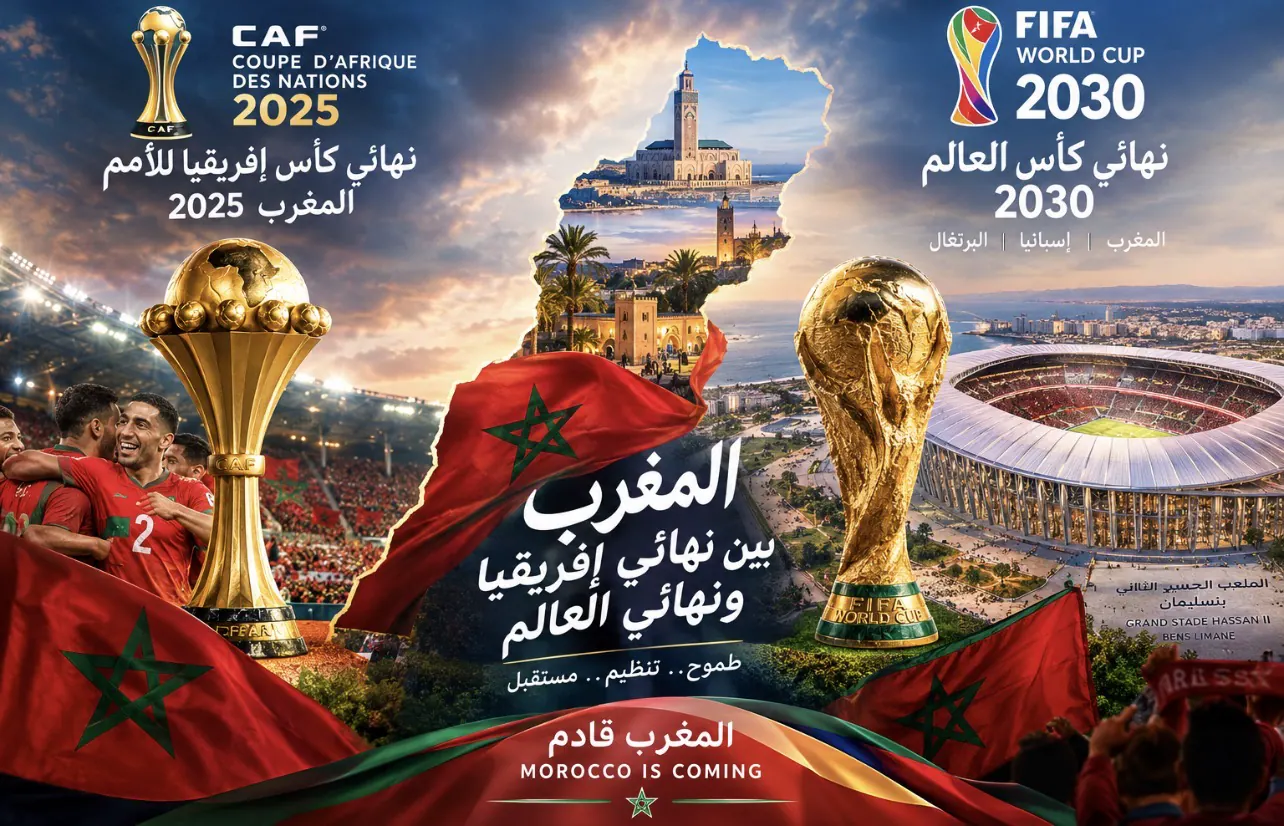
Morocco's recent successes in African football have sparked a heated debate about its growing influence in the sport. The country's bid to host the 2030 World Cup final, alongside Spain and Portugal, has raised questions about its ability to stage the event. Critics argue that Morocco's bid is driven by a desire for prestige, while others see it as a legitimate attempt to showcase the country's capabilities. This debate highlights the complexities of Morocco's rising stature in African football.
The controversy surrounding Morocco's bid to host the 2030 World Cup final has been fueled by concerns about the country's ability to stage the event. Despite its impressive infrastructure and organizational capabilities, some have questioned whether Morocco has the necessary experience to host a major international tournament. However, Morocco's proponents argue that the country's successful hosting of previous events, including the 2018 African Nations Championship, demonstrates its ability to stage high-profile events.
The dispute over the 2025 Africa Cup of Nations final between Morocco and Senegal has also raised questions about the role of politics and bias in African football. The Confederation of African Football's (CAF) decision to award Morocco a 3-0 win over Senegal was met with criticism from the Senegalese football federation, which claimed that the decision was unfair. The dispute highlights the challenges of ensuring fairness and impartiality in African football.
Morocco's growing influence in African football has also sparked concerns about the country's ability to balance its ambitions with the need for fair play. Some have accused Morocco of using its wealth and influence to gain an unfair advantage, while others see its success as a result of hard work and dedication. This debate highlights the complexities of Morocco's rise to prominence in African football.
The CAF's role in resolving disputes and ensuring fair play in African football has also been called into question. The organization's decision-making processes and criteria for awarding hosting rights have been criticized for lacking transparency. This has led to concerns about the potential for bias and corruption in African football.
Morocco's bid to host the 2030 World Cup final is not just about national pride, but also about the country's economic and social development. Hosting the tournament could bring significant economic benefits, including increased tourism and investment. However, it also poses significant challenges, including the need for substantial investment in infrastructure and security.
The outcome of Morocco's bid to host the 2030 World Cup final will have significant implications for African football. If successful, it could pave the way for other African countries to host major international tournaments. However, if Morocco's bid is unsuccessful, it could raise questions about the country's ability to stage high-profile events and its influence in African football.
Key points
- Morocco's growing influence in African football has sparked controversy and debate, particularly regarding its bid to host the 2030 World Cup final.
- The country's success in African football has raised questions about its ability to balance its ambitions with the need for fair play.
- The outcome of Morocco's bid to host the 2030 World Cup final will have significant implications for African football.