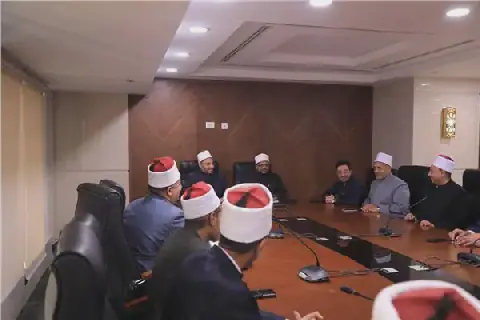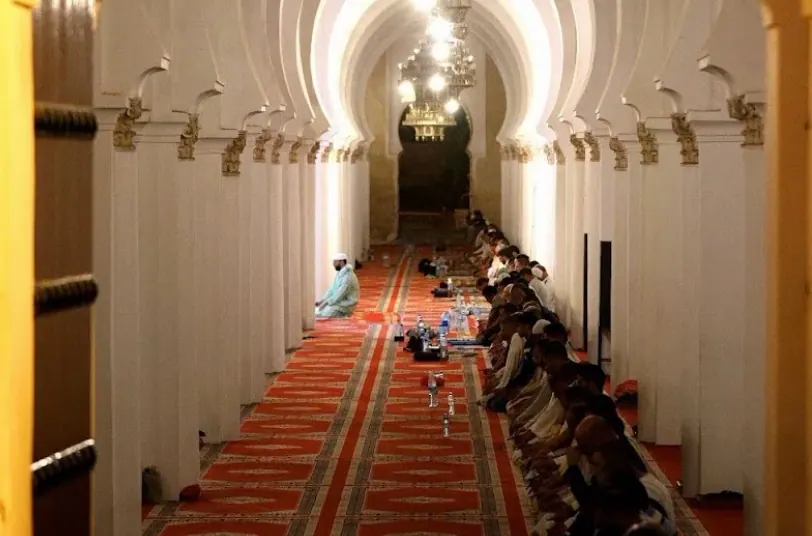
The Moroccan model for managing religious affairs was presented at the International Conference for Imams in Jakarta, Indonesia, from September 25-28. The conference, themed "Harmony of Mosques, Religious Diplomacy, and Global Peace," brought together scholars, muftis, and officials from various countries to discuss ways to promote moderation, tolerance, and coexistence. Morocco's experience in managing its religious affairs was highlighted as a successful model.
Dr. Khadija Abu Zayd, a professor at the University of Mohammed V in Rabat and a member of the local scientific council for the Salihiyat-Temara region, presented aspects of Morocco's experience in managing its religious affairs. She emphasized the importance of a balanced religious discourse based on science, moderation, openness, and dialogue. Abu Zayd also highlighted the role of scholars, imams, and religious institutions in guiding society and accompanying its transformations.
The conference provided a platform for participants to share experiences and best practices in promoting moderation and tolerance. Morocco's experience in qualifying and training imams and guides was also highlighted. Abu Zayd stressed the importance of developing their knowledge and capacities to keep pace with contemporary social and intellectual transformations.
On the sidelines of the conference, Moroccan Ambassador to Indonesia, Redouane Houssaini, held discussions with Indonesian Minister of Religious Affairs, Nurcholis Umar, on prospects for enhancing cooperation in training and education. They also discussed exchanging experiences between religious and university institutions in both countries.
Houssaini presented the experience of the Mohammed VI Institute for the Training of Imams, Guides, and Guides, which is a specialized institution for religious and scientific training. The institute serves as a framework for exchanging experiences and developing cooperation programs in qualifying religious cadres.
The Indonesian Minister of Religious Affairs emphasized the importance of strengthening cooperation and communication with Morocco and benefiting from exchanging experiences in qualifying imams and managing religious affairs. This cooperation aims to promote values of moderation, tolerance, and peace.
The Moroccan model for managing religious affairs has been recognized for its approach to promoting tolerance, coexistence, and moderation. The country's experience in qualifying and training imams and guides has been highlighted as a successful model that can be replicated in other countries.
Key points
- Morocco's model for managing religious affairs was showcased at an international conference for imams in Indonesia, highlighting its approach to promoting tolerance and coexistence.