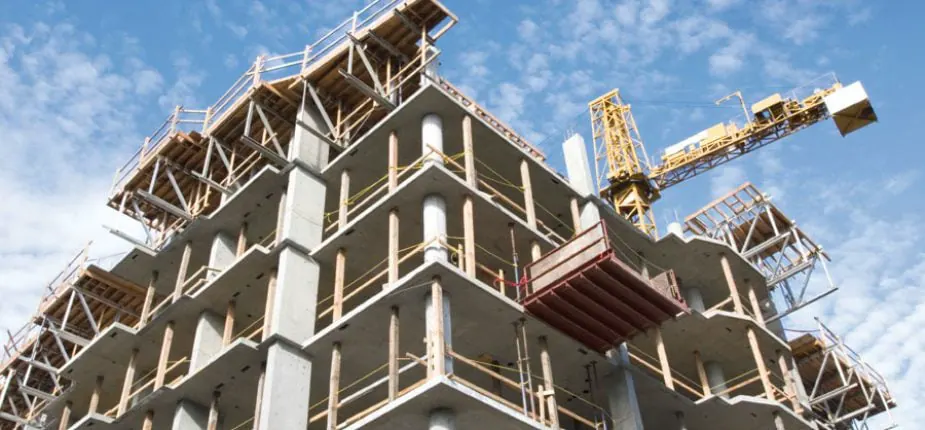
Morocco's real estate sector is experiencing a severe downturn, with sales coming to a near standstill over the past few months. According to the Fédération nationale des promoteurs immobiliers, the decline in sales ranges between 30 to 40%, a figure that professionals believe underestimates the actual situation in the market. This downturn is attributed to several factors that have cumulatively contributed to the sector's woes. The real estate market in Morocco has traditionally been a significant contributor to the country's economy.
One of the primary factors contributing to the decline is the reduced demand from Moroccans residing abroad, who typically drive the market during the summer months. However, with inflation in their countries of residence, this demand has significantly contracted. Furthermore, the availability of constructible land in major cities such as Casablanca, Rabat, Tanger, Marrakech, and Agadir has become scarce, a situation that is now also affecting medium-sized cities. This shortage of land has severely impacted the sector's ability to meet demand.
The costs associated with construction have also seen a notable increase, primarily due to the rise in petroleum products. Additionally, the administrative delays in obtaining necessary permits have reached unprecedented levels, sometimes taking up to a year. The notary platform Tawtik was also paralyzed for several weeks due to cyber-attacks, further exacerbating the challenges faced by the sector. These factors have collectively contributed to the stagnation of the real estate market.
The situation has become so dire that, as of summer 2025, a Casablanca notary reported having no transactions recorded since June. In an effort to stimulate the sector, the government introduced a direct housing aid program that can offer up to 100,000 dirhams. However, this initiative has so far garnered limited interest, especially when compared to the volume of aid committed. The sector's slowdown has far-reaching implications, affecting employment, demand for construction materials, and bank credit.
Industry professionals are pinning their hopes on projects related to the 2030 World Cup, highlighting that the production of housing has not kept pace with the development of infrastructure. They are calling for sector-specific stimulus measures, particularly focusing on the mobilization of public land and the simplification of authorization procedures. The real estate sector's health is of paramount importance, given its direct impact on the economy.
The decline in the real estate sector has significant economic implications, as it directly affects unskilled employment, the demand for construction materials, and the outstanding bank credits. These channels are critical through which the sector's slowdown disseminates throughout the economy. Therefore, addressing the challenges faced by the real estate sector is crucial for maintaining economic stability and growth.
As the sector continues to navigate these challenges, stakeholders are eagerly awaiting effective solutions that can revitalize the market. The emphasis on addressing the shortage of constructible land, reducing construction costs, and streamlining administrative procedures has become more pronounced. The anticipation is that with the right measures, the real estate sector can recover, thereby contributing positively to Morocco's economic landscape.
Key points
- The Moroccan real estate sector faces a significant downturn with a 30-40% decline in sales.
- The decline is attributed to reduced demand from Moroccans abroad, a shortage of constructible land, increased construction costs, and prolonged administrative delays.
- Industry professionals are calling for measures such as the mobilization of public land and simplification of authorization procedures to stimulate the sector.