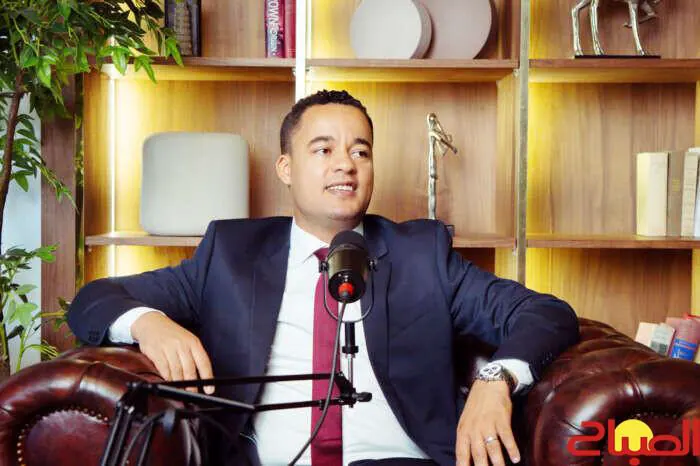
Moroccan financial expert, Allali, stated that the 2030 World Cup should be treated as an economic strategy rather than a one-day event. This approach would enable the country to reap long-term benefits from the tournament. Allali's comments come as Morocco prepares to co-host the World Cup with Spain and Portugal. The expert's views highlight the need for careful planning to ensure the event's success. Effective management of the tournament's finances will be crucial.
The 2030 World Cup presents a significant opportunity for Morocco to boost its economy. The event is expected to attract millions of visitors, generating substantial revenue for local businesses. However, hosting the tournament also comes with considerable costs. Morocco will need to invest heavily in infrastructure development, including stadiums, transportation systems, and accommodations. The country's financial planning will be critical in ensuring a successful and profitable event.
Allali's emphasis on a strategic economic approach reflects concerns about the potential financial burden of hosting the World Cup. Morocco's public finances will need to be carefully managed to avoid any negative impacts on the country's economy. The expert's comments suggest that the government should prioritize sustainable economic growth and development. This approach would help to minimize the risks associated with hosting the tournament.
Morocco's co-hosting of the 2030 World Cup with Spain and Portugal presents both opportunities and challenges. The country's economic ties with its European partners will likely play a significant role in shaping the event's success. Collaboration between the three host countries will be essential in ensuring a smooth and enjoyable tournament. Effective communication and coordination will help to maximize the benefits of the event.
The 2030 World Cup is expected to have a significant impact on Morocco's economic development. The event will provide a platform for the country to showcase its capabilities and attract foreign investment. However, the government must also prioritize the needs of local communities. Ensuring that the benefits of the tournament are shared equitably will be crucial in maintaining public support.
Morocco's hosting of the 2030 World Cup will require significant investment in infrastructure and services. The country's transportation systems, accommodations, and tourist facilities will need to be upgraded to meet international standards. The government will need to work closely with private sector partners to deliver these upgrades. Effective project management will be critical in ensuring that the necessary infrastructure is in place.
As Morocco prepares to co-host the 2030 World Cup, the country's financial experts will be closely monitoring the event's economic impact. Allali's comments highlight the need for careful planning and strategic economic management. The success of the tournament will depend on the government's ability to balance the costs and benefits of hosting the event.
Key points
- Morocco's 2030 World Cup hosting duties require strategic economic planning.