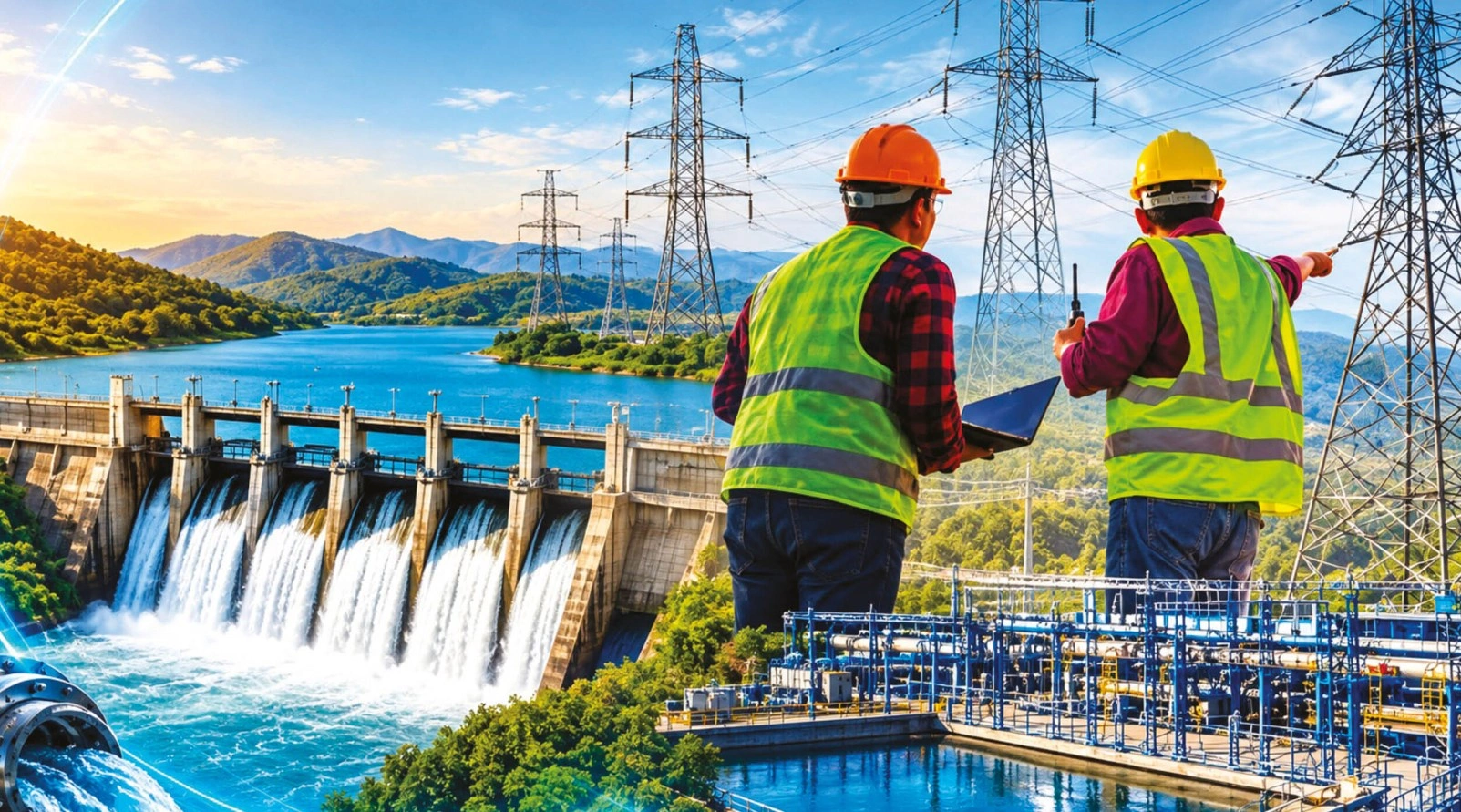
Morocco is making significant investments to reduce its vulnerabilities and diversify its resources in the face of climate change, market volatility, and geopolitical tensions. The country's progress in water, energy, and food security is crucial to achieving its strategic ambitions. As of October 10, 2026, the country's dam reserves reached 11.155 billion cubic meters, a 65.51% national filling rate, up from 32.7% the previous year. This improvement has alleviated supplies and brightened agricultural prospects.
Despite this progress, regional disparities persist, and the risk of structural drought remains. The Al Massira dam in the Oum Er-Rbia basin had a filling rate of around 40% as of October 10, 2026. To ensure water sovereignty, Morocco must go beyond dam filling and focus on reliable supplies that don't compromise future resources. The country is investing in desalination, inter-basin transfers, and modernizing networks, but it also needs to reduce losses, manage groundwater more efficiently, and promote water-saving irrigation.
Morocco's energy sector faces challenges due to its dependence on external markets. On October 1, 2026, fuel prices increased by around 0.80 dirhams per liter for diesel and 0.39 dirhams for gasoline. This rise affects not only motorists but also transporters and professionals, with potential knock-on effects on logistics costs and consumer prices. According to the High Commission for Planning (HCP), import unit values rose by 10% year-over-year in the second quarter of 2026, with energy products and lubricants surging by 53.1%.
The country's renewable energy capacities, including solar, wind, and storage, are critical to reducing its exposure to external shocks. However, it's essential to distinguish between installed power and actual electricity production and availability. Ensuring a stable supply and reducing dependence on external markets are key priorities. The HCP data highlights the pressure from external markets, emphasizing the need for a structural response to address these challenges.
In the food sector, Morocco's 2026 cereal production is estimated at around 6.3 million tons, 16% above the five-year average, according to the Food and Agriculture Organization (FAO). However, this doesn't necessarily translate to lower prices, as storage, processing, transportation, and distribution also influence prices. The availability and affordability of food products are interconnected but distinct issues. Wholesale price data from the Casablanca market shows variations in prices for certain products, but these don't necessarily reflect retail prices paid by consumers.
The HCP's latest data, for August 2026, indicate a 0.8% monthly increase in the consumer price index, with a 0.9% rise in food prices. Certain products, such as meat and fish, saw significant price increases. While the annual index declined by 0.3%, and food prices dropped by 3.9%, these numbers don't contradict each other, as a yearly decrease can coexist with a monthly increase and sharp price rises for specific products.
Ultimately, Morocco's sovereignty in water, energy, and food security will be evaluated by its tangible effects on citizens' daily lives. The country's progress will be measured by the reliability of its supplies, reduced losses, controlled costs, and predictable access to essential resources. While grand projects shape the future, their success will be confirmed in the everyday experiences of Moroccans.
Key points
- Morocco's progress in water, energy, and food security is crucial to achieving its strategic ambitions.
- The country faces challenges in its energy sector due to dependence on external markets.
- Ensuring a stable supply and reducing dependence on external markets are key priorities for Morocco's renewable energy sector.