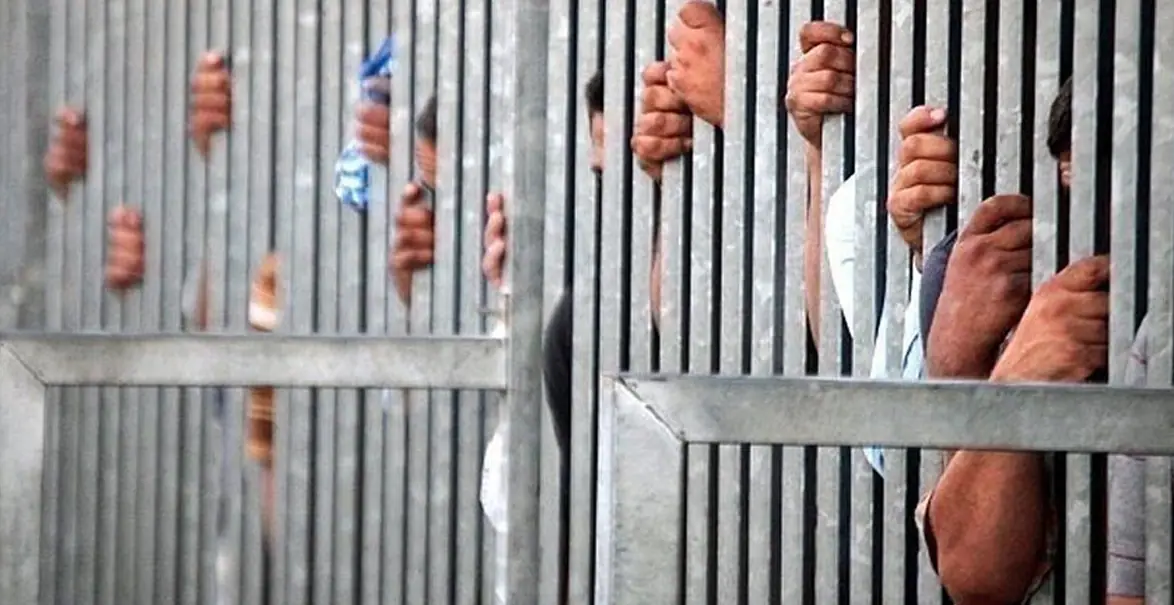
Morocco's prisons are facing unprecedented overcrowding, with the inmate population reaching 102,941 as of October, according to Mohamed Salah Tamek, the general delegate for prison administration and reintegration. This represents a 4,000-inmate increase from the same period last year, with an annual growth rate of around 5%. The surge in prisoners is putting immense pressure on the country's correctional facilities, which are operating at 158% capacity, with some prisons exceeding 300% capacity.
The overcrowding issue is not unique to Morocco, but its incarceration rate of 280 prisoners per 100,000 inhabitants is higher than many European countries, including Spain, France, and Belgium. In comparison, neighboring countries Tunisia, Algeria, and Mauritania have lower incarceration rates, with 267, 217, and 57 prisoners per 100,000 inhabitants, respectively. Tamek presented these statistics during the examination of the 2027 budget for the General Delegation for Prison Administration and Reintegration before the House of Representatives on November 4.
Despite investments in increasing prison capacity, the continued growth of the inmate population is straining services, including food, healthcare, and rehabilitation programs. The situation has reignited debates on penal policy, particularly regarding the use of imprisonment and pretrial detention. Tamek noted that legislative reforms aimed at rationalizing the use of imprisonment have had limited impact, while several factors continue to contribute to the influx of new inmates.
To alleviate pressure on prisons, Morocco has implemented mechanisms for automatic sentence reductions, which have benefited 152,487 cases and led to the release of 12,547 inmates as of October 25. However, the use of alternative sentencing remains limited, with only 3,408 inmates benefiting from such programs between January and September. This has raised questions about the effectiveness of alternatives to imprisonment in reducing overcrowding.
The Club des magistrats du Maroc, a professional association of judges, has called for a comprehensive approach to addressing prison overcrowding, warning against attributing the issue solely to the judicial authority. In a statement, the association emphasized that the problem is complex and multifaceted, involving various aspects of the justice system, public policies, and socioeconomic factors.
The Club des magistrats du Maroc advocates for a collaborative approach based on an objective assessment of the situation and a clear definition of responsibilities according to the legal and institutional competencies of each stakeholder. The association also stresses the importance of preserving judicial independence, which it believes is essential for evaluating and improving the performance of the judiciary.
As Morocco continues to grapple with prison overcrowding, the government faces challenges in balancing public safety concerns with the need to address the root causes of the issue. The implementation of effective alternative sentencing programs and comprehensive penal reforms may be crucial in reducing the strain on the country's prisons and promoting a more sustainable approach to justice.
Key points
- Morocco's prison population has reached 102,941, with an annual growth rate of around 5%, straining facilities and sparking debate on penal policy and alternative sentencing.
- The country's incarceration rate of 280 prisoners per 100,000 inhabitants is higher than many European countries, including Spain, France, and Belgium.
- The Club des magistrats du Maroc advocates for a comprehensive approach to addressing prison overcrowding, warning against attributing the issue solely to the judicial authority.