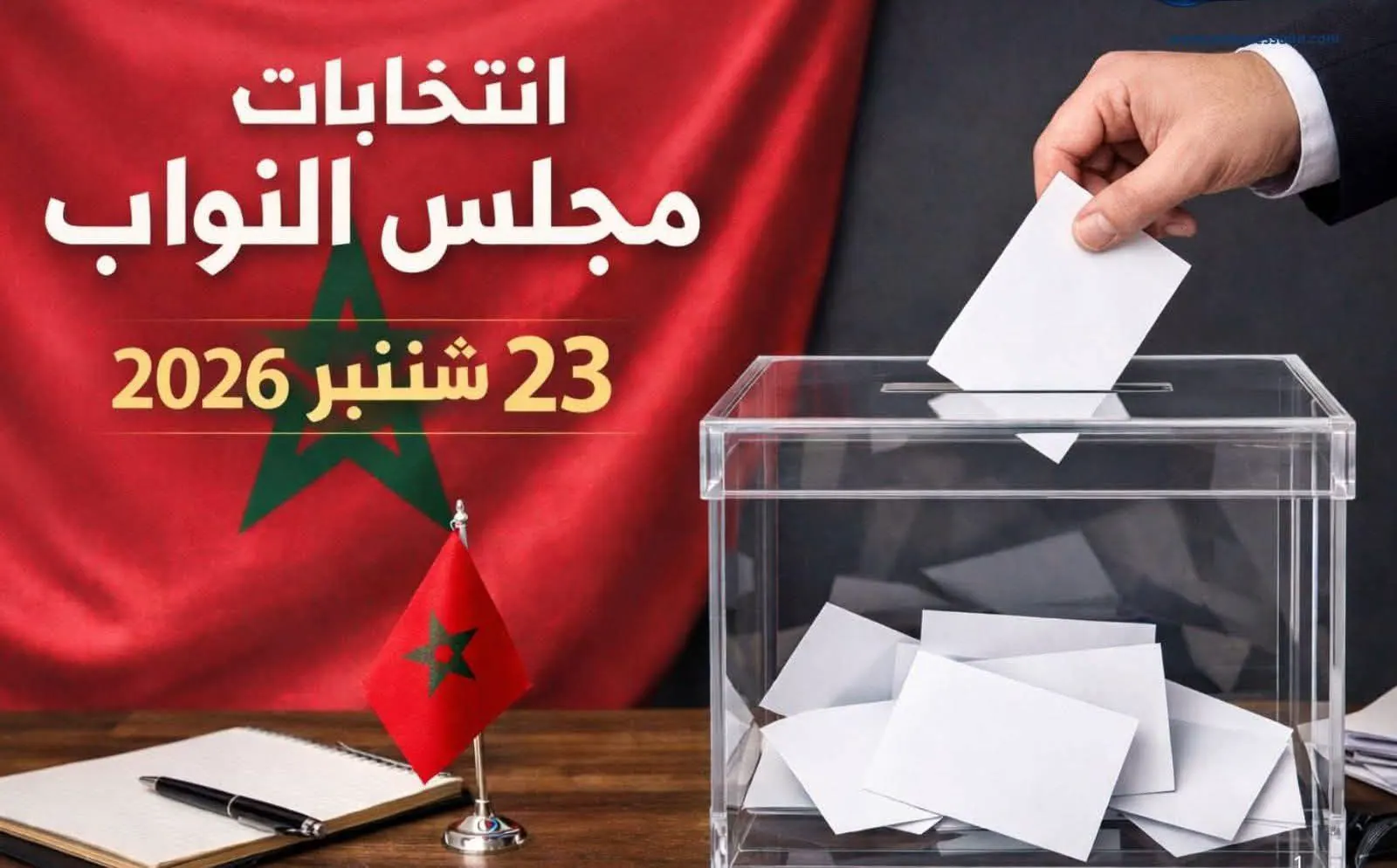
Morocco concluded its electoral process on September 22, 2026, with citizens casting their votes to determine the country's future political landscape. As the results begin to unfold, attention is turning to the incoming government's capacity to deliver on campaign pledges. The next few days will be crucial in understanding the composition of the new government and the alliances that will shape its agenda.
In the coming hours, Moroccans will learn which parties have secured the most seats and who will be in a position to form the next government. The subsequent steps will involve the King's approval of the new prime minister and the formation of a cabinet. By early October, the new parliamentary session is set to commence, during which the King's address will outline the legislative priorities for the upcoming period.
Throughout the election campaign, various parties made numerous promises to voters, focusing on issues such as reducing prices, regulating fuel costs, enhancing purchasing power, and improving living standards. These pledges included increasing the minimum wage to 5,000 dirhams and enhancing salaries for workers and retirees. As the newly elected government takes office, it will face mounting pressure to translate these promises into tangible actions.
The next government, which might be termed a "World Cup government" due to its timing, will have to navigate significant challenges. Foremost among these will be fulfilling the promises made to voters, particularly those related to everyday concerns like healthcare, education, employment, and cost of living. The public will be closely watching for early signs of progress within the first 100 days of the new administration.
While it's understood that governments require time to implement their agendas, the initial period will be critical in setting the tone for the government's priorities and working style. Voters will be keen to see whether campaign promises remain mere electoral rhetoric or are transformed into concrete policies and decisions that positively impact their daily lives.
As the elected parties await the outcome of their campaigns, a new phase is set to begin. This phase will shift the focus from campaign pledges to the practical implementation of these promises. The critical question will no longer be about what was promised but when and how these promises will be realized on the ground.
With the elections concluded, Morocco stands at a pivotal moment. The incoming government's actions in the coming weeks and months will be closely scrutinized, not just by the public but also by observers and analysts. The extent to which the new administration can fulfill its campaign promises will significantly influence its legitimacy and effectiveness.
Key points
- The new Moroccan government's ability to fulfill campaign promises will be a key indicator of its success.
- The first 100 days of the new administration will be crucial in setting the tone for its priorities and working style.
- Fulfillment of campaign promises will significantly impact the government's legitimacy and effectiveness.