The recent legislative elections in Morocco, held on September 23, have resulted in a new political landscape. The Authenticity and Modernity Party (PAM) has secured 97 seats, marking its first significant gain since its inception. The National Rally of Independents (RNI) came in second with 66 seats, followed closely by the Independence Party with 65 seats. The Justice and Development Party (PJD) secured 54 seats, placing it fourth. These results have set the stage for a new phase in Moroccan politics.
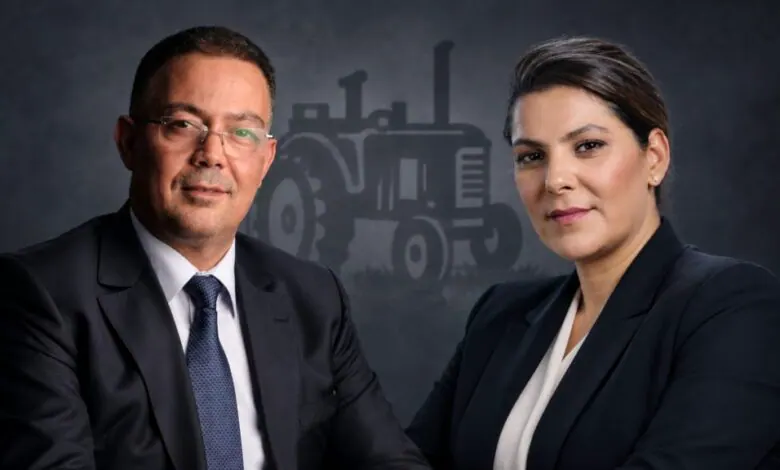
As the country prepares for the next government, attention is focused on who will be appointed as the head of government. According to Article 47 of the Constitution, the appointment is made by the King. Two prominent figures being considered for the position are Fozia Lekjaa, the new leader of the PAM, and Fatima Zahra El Mansouri, the party's collective leadership coordinator. Lekjaa has been instrumental in leading the party's campaigns, while El Mansouri has been groomed by the party to potentially become the first female head of government in Morocco's history.
However, the path to forming the next government is fraught with challenges. One possible scenario involves the King's appointment of a prime minister, which could potentially be El Mansouri. Nevertheless, this would require the PAM to form an alliance with other parties, such as the RNI and Independence Party. A significant hurdle to this scenario is the historical differences and tensions between the parties' leaders, who have expressed reluctance to engage in a coalition.
Another possible scenario involves a four-party coalition comprising the PAM, Independence Party, and the Socialist Union of Popular Forces (USFP). This would likely push the RNI into the parliamentary opposition. A third scenario, considered less likely, would involve a coalition between the PAM, Independence Party, and PJD. However, this is complicated by the long-standing rivalry between the PJD and PAM, as well as the presence of PJD leader Abdelilah Benkirane as the party's secretary general.
The PAM's rise to prominence has significant implications for Moroccan politics. As the party's leader, Lekjaa will play a crucial role in shaping the country's future. El Mansouri's potential appointment as head of government would mark a historic milestone for women in Moroccan politics. The King's decision will ultimately determine the course of the country's next government.
The next government will face significant challenges, including addressing the country's economic and social issues. The PAM's emergence as a major player has raised questions about its stance on key issues and its potential impact on the country's policy direction. As Morocco prepares for the next phase of its political journey, the international community is watching closely.
In the coming days, the King's decision on the appointment of the head of government will be closely watched. The outcome will have far-reaching implications for Morocco's future and its relations with other countries. As the country navigates this critical juncture, one thing is certain – the next government will face significant challenges in addressing the country's pressing issues.
Key points
- The PAM's emergence as a major player in Moroccan politics.
- The potential appointment of Fatima Zahra El Mansouri as head of government.
- The challenges facing the formation of the next government.