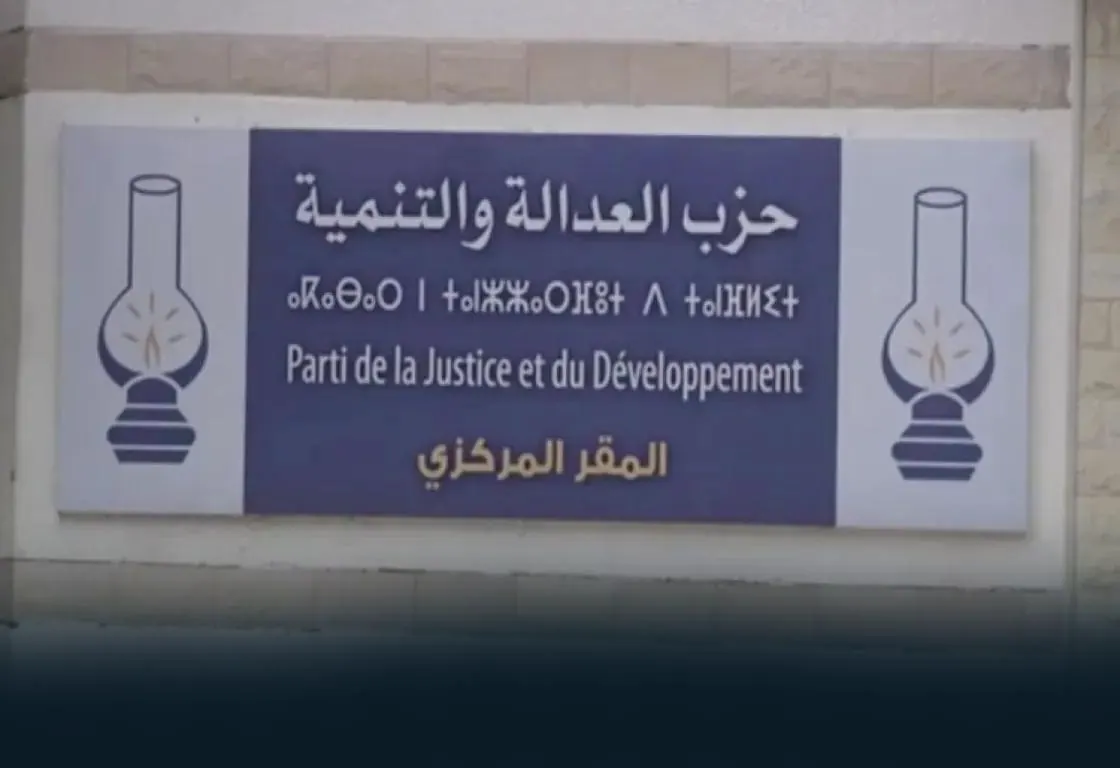
The Justice and Development Party (PJD) of Morocco has officially decided to join the opposition, following an extraordinary session of its National Council on September 26. The party, which secured 54 seats in the September 23 legislative elections, will not participate in the next government. This decision was made unanimously, ending speculation about the party's potential involvement in the new government.
The PJD's decision was widely anticipated, following comments from the party's Secretary General, Abdelilah Benkirane, who expressed concerns about the legitimacy of the electoral process. Benkirane had described the Authenticity and Modernity Party (PAM), which won 97 seats, as a "dangerous party." The PJD's move to the opposition reflects its stance on the elections and the new government's formation.
The September 23 elections saw a record low turnout of 38.02%, with young voters aged 18-24 being significantly absent. The PAM emerged as the leading party, followed by the National Rally of Independents (RNI) with 66 seats and the Istiqlal party with 65 seats. The PJD's 54 seats mark a significant increase from its 13 seats in the 2021 elections.
The new government will require negotiations between parties, given the fragmented parliament. The PJD's decision to join the opposition sets the stage for these discussions. The party's move may influence the balance of power in the new government and its policies. Morocco's parliamentary landscape has shifted, with the PJD now part of the opposition.
Abdelilah Benkirane had expressed doubts about the electoral process, citing irregularities that may have impacted the outcome. These concerns may have contributed to the PJD's decision to join the opposition. The party's stance reflects its commitment to its principles and its assessment of the electoral process.
The formation of the new government is pending the appointment of the Prime Minister, which is expected to happen soon. Once this appointment is made, consultations for the formation of the new executive will begin. The PJD's role in the opposition will be crucial in shaping the country's future policies and direction.
The PJD's decision has significant implications for Morocco's politics, as the country navigates its new parliamentary landscape. The party's move to the opposition may influence the government's agenda and policies. Key points to watch include the PJD's role in the opposition, the government's formation, and the impact on Morocco's politics and policies.
Key points
- The PJD party's decision to join the opposition was made unanimously by its National Council.
- The party's move reflects its concerns about the legitimacy of the electoral process and its stance on the new government's formation.
- The PJD's role in the opposition will be crucial in shaping Morocco's future policies and direction.