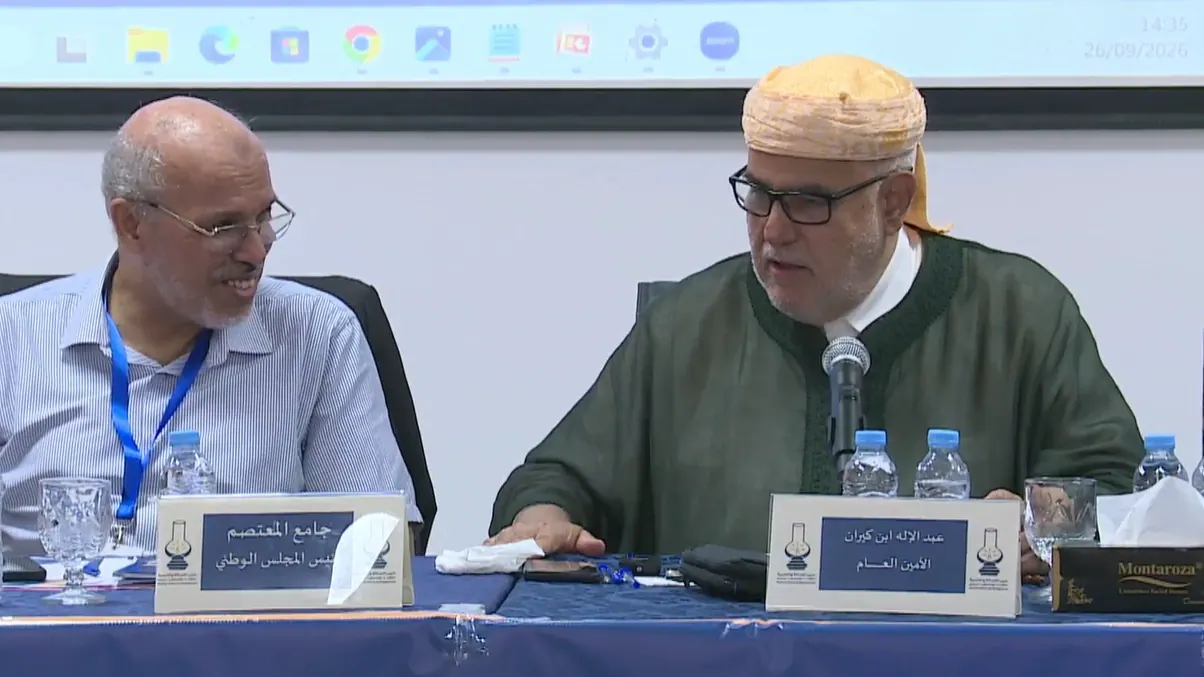
The National Council of Morocco's Justice and Development Party (PJD) has unanimously decided to remain in parliamentary opposition and not participate in the next government. The decision was made during a meeting held in Bouznika on Saturday. This move comes after the party's assessment of the current political landscape in Morocco. The PJD's decision was announced on Sunday, as reported by L'Opinion.
The PJD's decision to stay in opposition suggests that the party will continue to scrutinize government policies and actions from outside the cabinet. This stance may enable the party to maintain its independence and critical voice in Moroccan politics. The party's national council is a key decision-making body that brings together senior officials and representatives to discuss and determine the party's strategies and positions.
Morocco's political scene has been dynamic in recent months, with various parties and alliances adjusting their positions and strategies. The PJD's decision is likely to have implications for the country's future government formation and policy agenda. Other parties, such as the Istiqlal party, have been making moves to consolidate their positions and appeal to different segments of the electorate.
The PJD's decision to remain in opposition may reflect the party's concerns about the current government's policies or its own electoral prospects. By staying in opposition, the PJD may be seeking to differentiate itself from other parties and maintain its credibility as a critical voice in Moroccan politics. The party's leaders and officials will likely engage in further discussions and consultations to determine the best course of action for the party.
Morocco's government and parliament have been focusing on addressing various economic and social challenges facing the country. The PJD's decision to stay in opposition means that it will not be directly involved in shaping the government's policies and decisions. However, the party may still influence public opinion and debate through its advocacy and criticism of government policies.
The PJD's national council meeting in Bouznika brought together party officials and representatives to discuss key issues and make strategic decisions. The meeting's outcome reflects the party's commitment to its current stance and approach. The PJD has a significant presence in Moroccan politics and has played a key role in shaping the country's democratic transition.
The PJD's decision has been reported by various media outlets in Morocco, including L'Opinion, which has provided detailed coverage of the party's national council meeting and decision. The party's stance is likely to be closely watched by political analysts, journalists, and the general public in Morocco.
Key points
- The PJD party in Morocco has decided to remain in opposition.